


Berlin, Germany— Germany is replenishing its gas stocks more quickly than expected despite drastic Russian supply cuts and should meet an October target early, the government said on Sunday.
Europe’s largest economy is heavily dependent on Russian gas and has raced to bolster its reserves before winter after deliveries from Russia plummeted following the outbreak of war in Ukraine.
Last week, Germany’s energy regulator the Federal Network Agency said the country was unlikely to meet its goals.
But the government said energy saving measures in recent weeks and massive purchases of gas from other suppliers saw “significant progress” made.
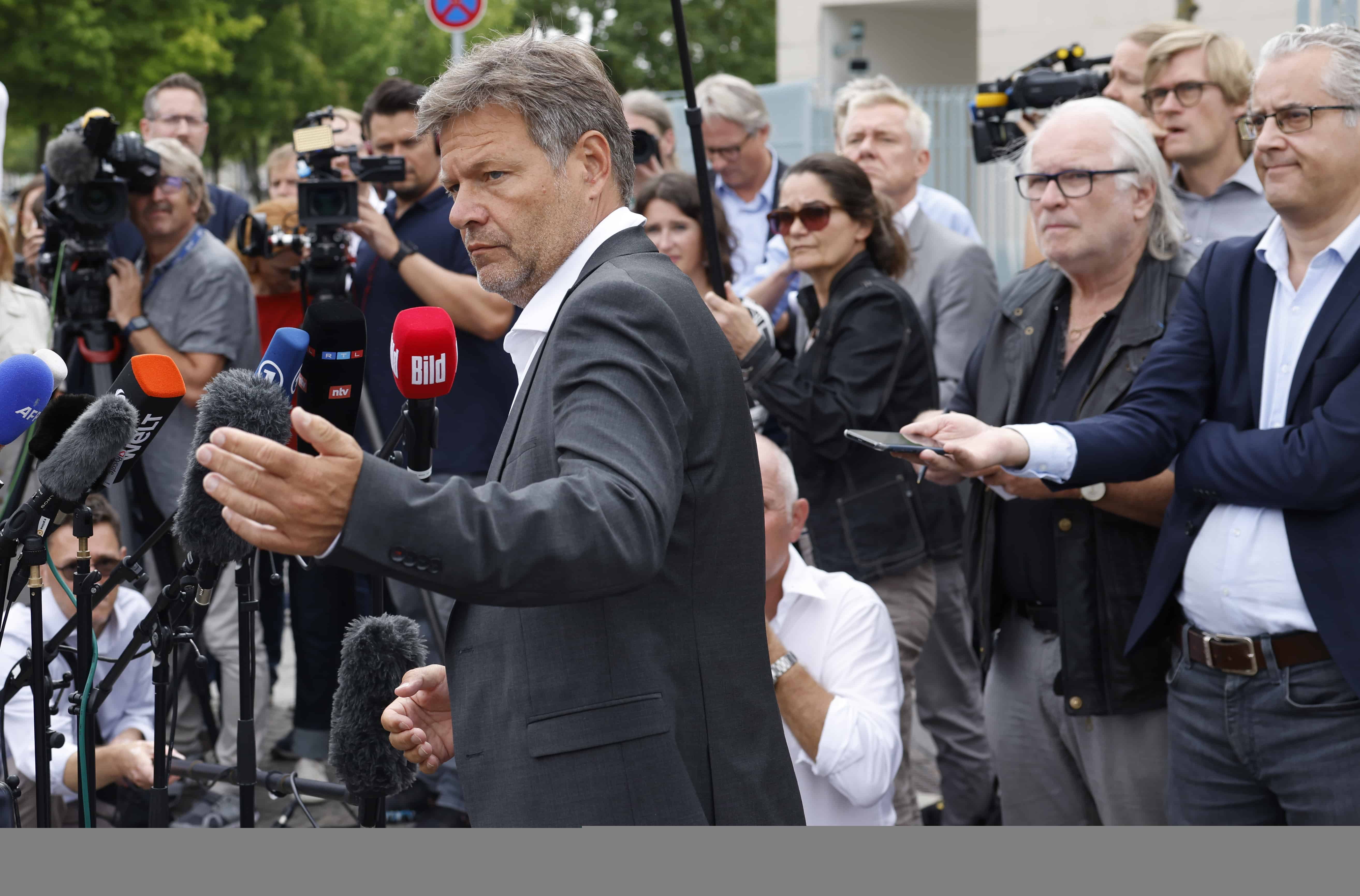
“Despite the difficult circumstances … the reserves are filling up more quickly than expected,” Economy and Climate Minister Robert Habeck said in a statement.
A target to achieve 85 percent of gas storage capacity by October “should be reached by the start of September,” with current levels at 82 percent, his ministry added.
Gas flows from the main pipeline, Nord Stream, fell to 20 percent, with the EU accusing Moscow of using energy as a weapon in its stand-off with the West over Ukraine.
To avert the risk of energy shortages, Berlin in July set a series of goals so that gas stocks reached 95 percent of capacity by November.
The government has introduced measures allowing more coal-based power and reducing energy consumption in public buildings.
It has also spent €1.5 billion ($1.5 billion) to buy liquefied natural gas, with Qatar and the US being major suppliers, and five new LNG terminals are planned to import it by sea.