
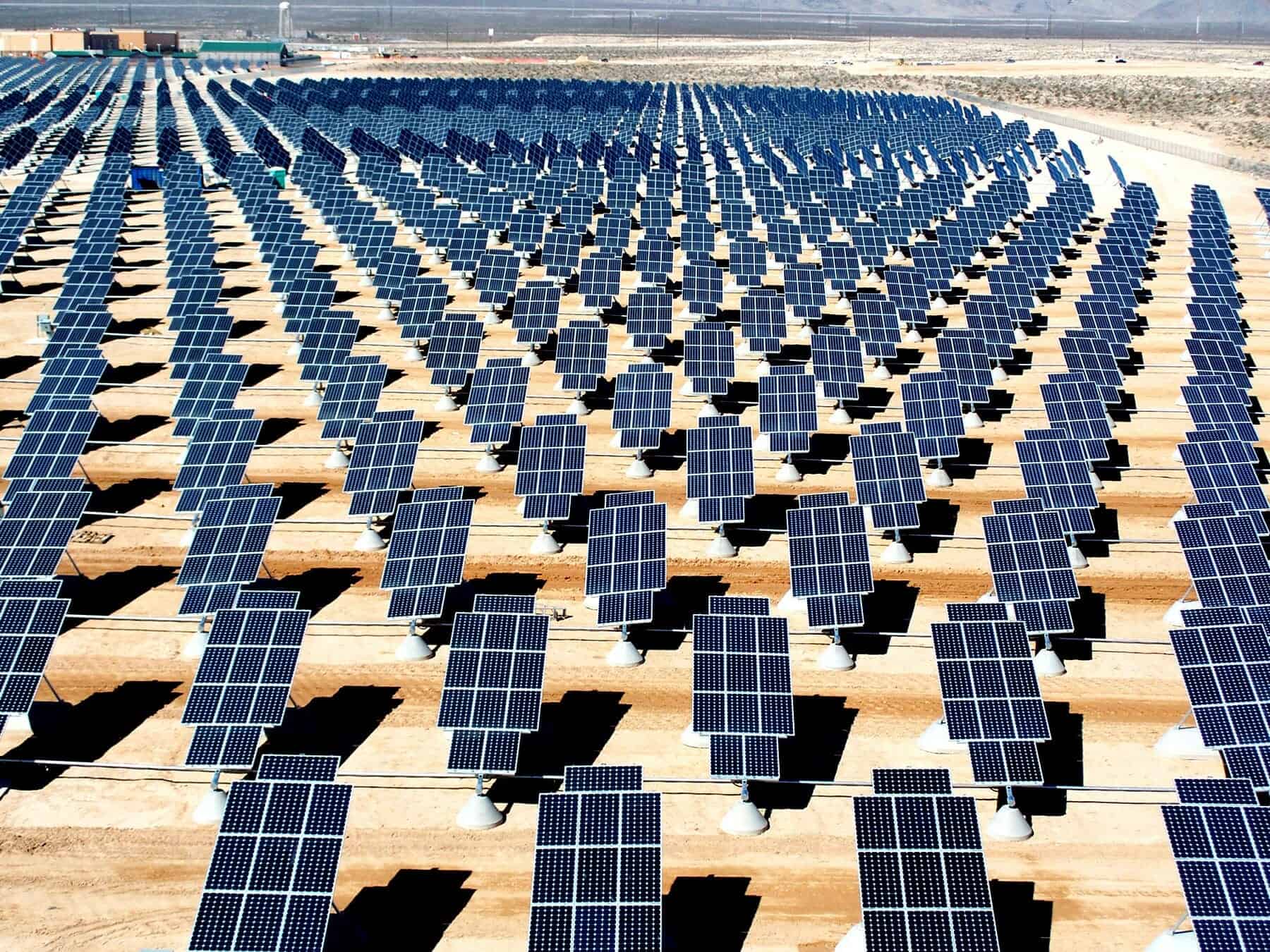


Iran is planning to install 3 GW of renewable power plants for agricultural wells across the country, local reports have said.
The move is said to be a collaboration between Iran’s Power Generation, Distribution, and Transmission Company, which is also known as Tavanir, and the Iranian Fuel Conservation Company or IFCC.
The reports quoted Tavanir’s Operator for Rural Electricity Expansion Program Ali Chehel-Amirani as saying that there are currently 100,000 agricultural wells in the country that use diesel to pump water.
He added that construction of these renewable power plants would save huge amounts of fuel in addition to supporting the power grid.
The water pumps in each agricultural well consumes an average of 11,000 liters of fuel per year, and connecting these wells to renewable energy sources could be effective in preserving the environment, helping the electricity grid, preventing fuel smuggling, and boosting renewable energy-related industries, said Chehel-Amirani.
He explained that the power plants would be constructed by the private sector and paid for by the resources coming from fuel savings in accordance with Article 12 of the law on the elimination of barriers to production.