
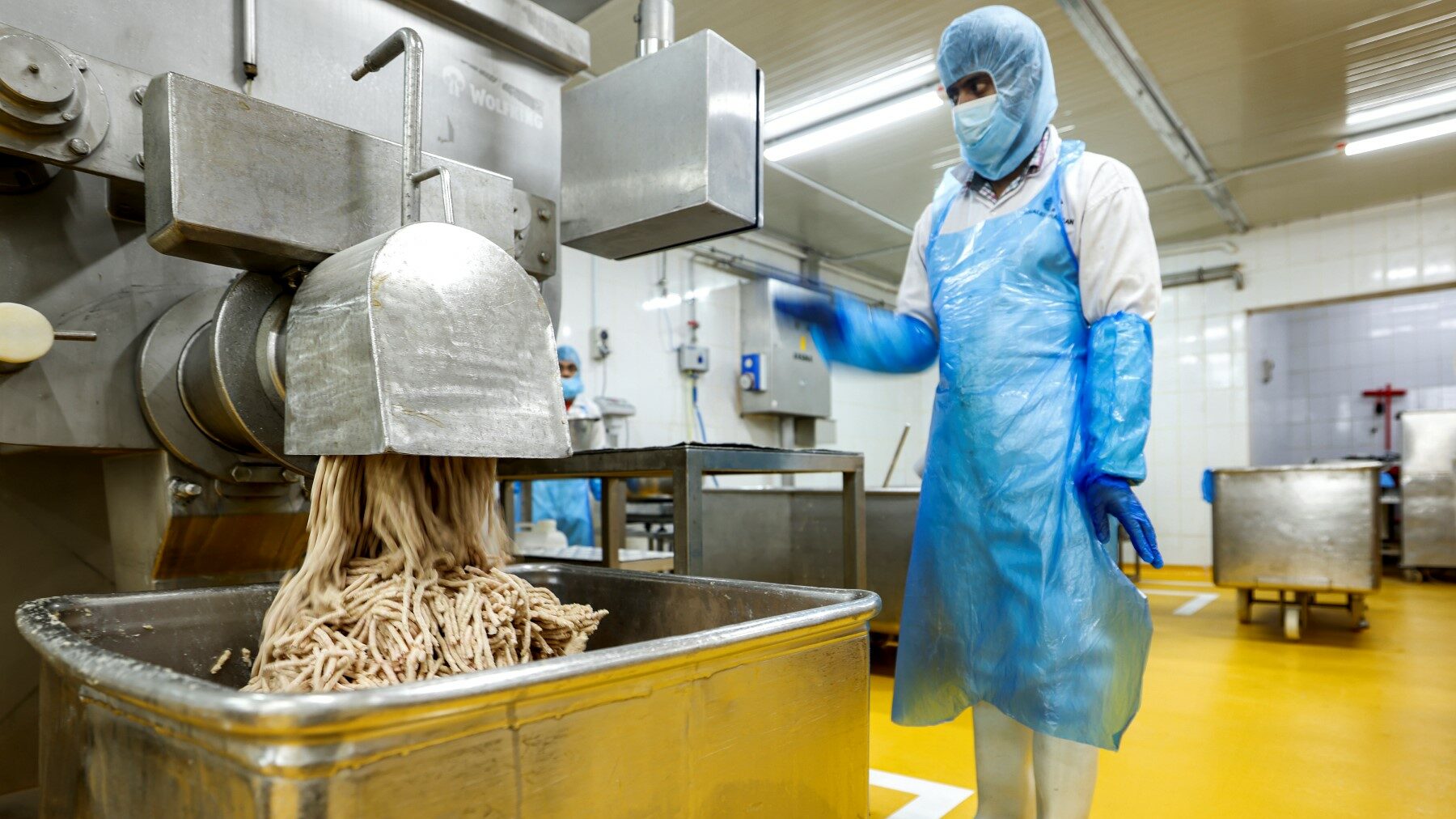


DUBAI, UAE — Middle East and Africa (MEA) manufacturers are embracing digital technology with great enthusiasm, a recent IDC Info Brief, commissioned by industry cloud company Infor, has pointed out.
The study found that an impressive 71 percent of MEA manufacturers are placing their bets on digital technology to drive their businesses forward.
The report highlighted that among these manufacturers, a staggering 82 percent are increasing their investments in industrial automation and robotic process automation, recognizing the significant advantages these technologies can bring to their operations.
Additionally, 56 percent are also focusing on enhancing their employees’ digital experiences in the workplace, further underscoring the sector’s commitment to digital transformation.
The MEA manufacturing sector has experienced substantial growth in recent years, attributed to its focus on innovation and efficiency. Companies within the industry have made notable strides in developing new products and improving their manufacturing processes.
The region’s abundance of natural resources and skilled labor force have also played a crucial role in its success. However, as the industry continues to evolve, there is an increasing demand for sustainable and environmentally friendly practices.
To meet these demands, many companies in the MEA manufacturing sector are investing in renewable energy sources and adopting eco-friendly production methods. These initiatives aim to ensure long-term growth while minimizing the sector’s impact on the environment. Overall, the MEA manufacturing sector is poised for continued expansion and success in the future.
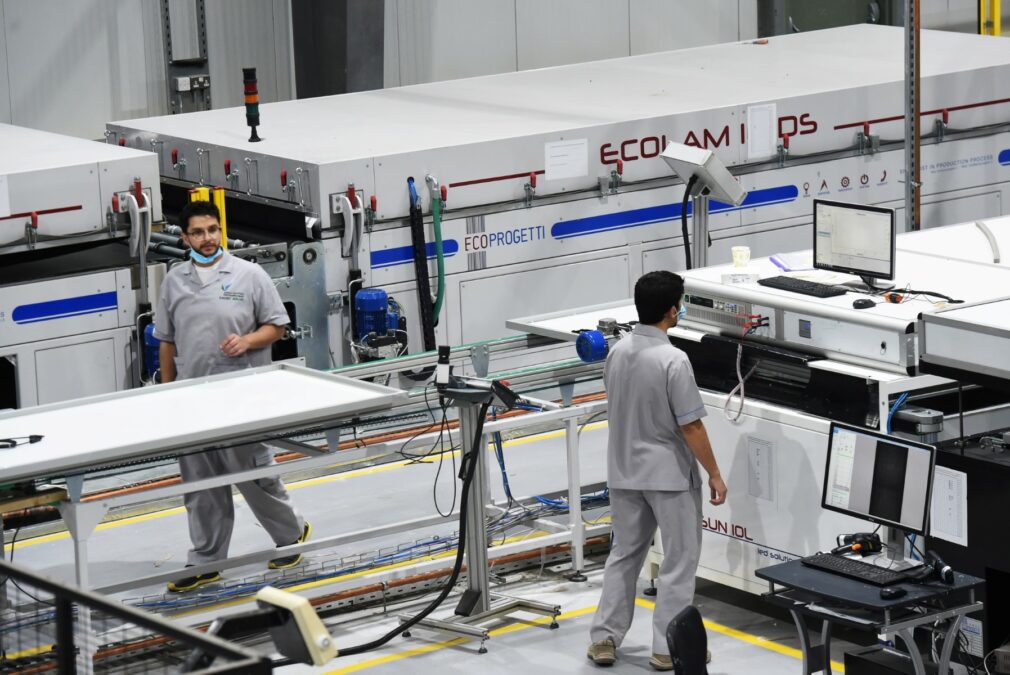
The IDC report further emphasized the shift taking place in the Middle East and Africa’s manufacturing enterprises. Having transitioned from the digital transformation era, where the focus was primarily on transforming operations with digital technologies, companies are now entering the digital business era. This new phase centers around running sustainable digital businesses, leveraging the power of technology to drive growth, efficiency, and competitiveness.
The study revealed that 64 percent of businesses in the MEA region still rely on manual processes, such as spreadsheets and standalone programs, to manage their supply chains. However, these outdated approaches hinder scalability and adaptability. Companies that eliminate slow, manual processes and embrace efficient, modern software solutions can achieve greater agility and respond effectively to market demands, the report said.
National initiatives
Recognizing the potential of the manufacturing sector for economic growth, governments in the Middle East are prioritizing its development. The UAE and Saudi Arabia, in particular, have launched national initiatives to propel the industry forward. The UAE’s “Operation 300bn” strategy aims to contribute AED 300 billion (US$ 81.7 billion) to the country’s GDP by 2031. The government also plans to harness the power of artificial intelligence and other cutting-edge technologies to drive innovation and growth within the sector.
Meanwhile, in Saudi Arabia, mining, quarrying, and manufacturing activities have experienced positive growth. The index of industrial production in the country saw a notable 6.8 percent year-over-year increase, driven by a 3 percent rise in mining and quarrying activity and a significant 19.2 percent surge in manufacturing activity. However, there was a 3.4 percent decline in the delivery of electricity and gas, impacting overall economic growth.
The General Authority for Statistics in Saudi Arabia recently released estimations showing that the country’s real GDP expanded by 5.5 percent year over year in the fourth quarter of 2022. The expansion was primarily driven by a 6.2 percent annual increase in non-oil operations, while oil activities saw a 6.1 percent yearly increase, offset by a 0.3 percent quarterly decline.
With the manufacturing sector in the Middle East and Africa increasingly embracing digital technology, investing in sustainable practices, and receiving strong support from governments, the region is well-positioned to drive economic growth, foster innovation, and achieve long-term success in the global market.