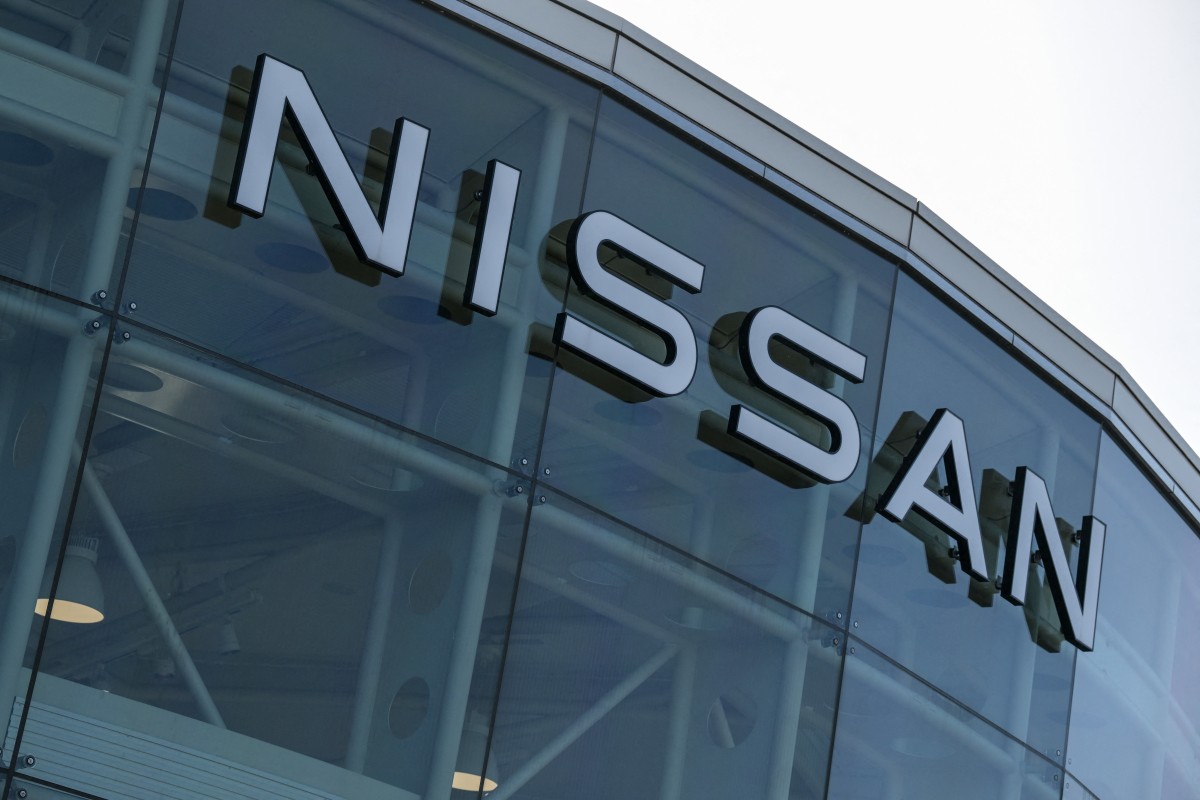

Tokyo, Japan– Japanese auto giant Nissan said Monday it will slash production costs for next-generation electric vehicles by 30 percent as it competes with fast-growing Chinese rivals.
By 2030, Nissan aims to make electric models at the same price as traditional combustion engine cars, the company said as it announced a new mid-term strategy.
The firm also unveiled a target to sell one million more vehicles annually worldwide in three years’ time.
While pledging to improve the firm’s bottom line globally, CEO Makoto Uchida said Nissan has experienced some difficulty in the Chinese market.
“Honestly speaking, we have struggled there in terms of sales volume. In the last five months, things have improved somewhat. But still, our capacity remains excessive,” he said at a news conference.
“By working with joint venture partners (in China), we will continue to optimise our production levels and work with products that allow us to grow in the market,” Uchida said.
“We are focused on providing what Chinese customers want.”
Nissan said it would achieve “significant” cost reductions in producing cutting-edge electric models “through grouped ‘family’ development, with vehicle production under the approach starting in fiscal year 2027”.
“Family” development refers to the use of common components in various vehicles.
Nissan also said it would reduce the cost of next-generation EVs by 30 percent by “integrating powertrains, utilising next-generation modular manufacturing, group sourcing, and battery innovations”.
This month Nissan and rival Honda said they were exploring a strategic partnership in electric vehicles to face up to a “once-in-a-century” industry upheaval — a move analysts said was aimed at catching up with Chinese competitors.
China overtook Japan as the world’s biggest vehicle exporter last year, helped by its global dominance in electric cars.
Bolstered by strong government support, Chinese EV firms have stolen a march on more established rivals.
Japanese giants including Toyota and Nissan have also been more cautious than their Chinese counterparts like BYD on EVs, banking instead on hybrid models.
Nissan said Monday it aims to launch 30 new models over the next three years, 16 of which would be “electrified”.
“If you look at our product portfolio, in the future the number of ICE (internal combustion engine) vehicles will decline, but they are very important for our business,” Uchida said.
In February, Nissan lowered its unit sales volume projection for the current fiscal year from 3.7 million vehicles to 3.55 million, citing “temporary logistics disruption and intensifying competition”.