
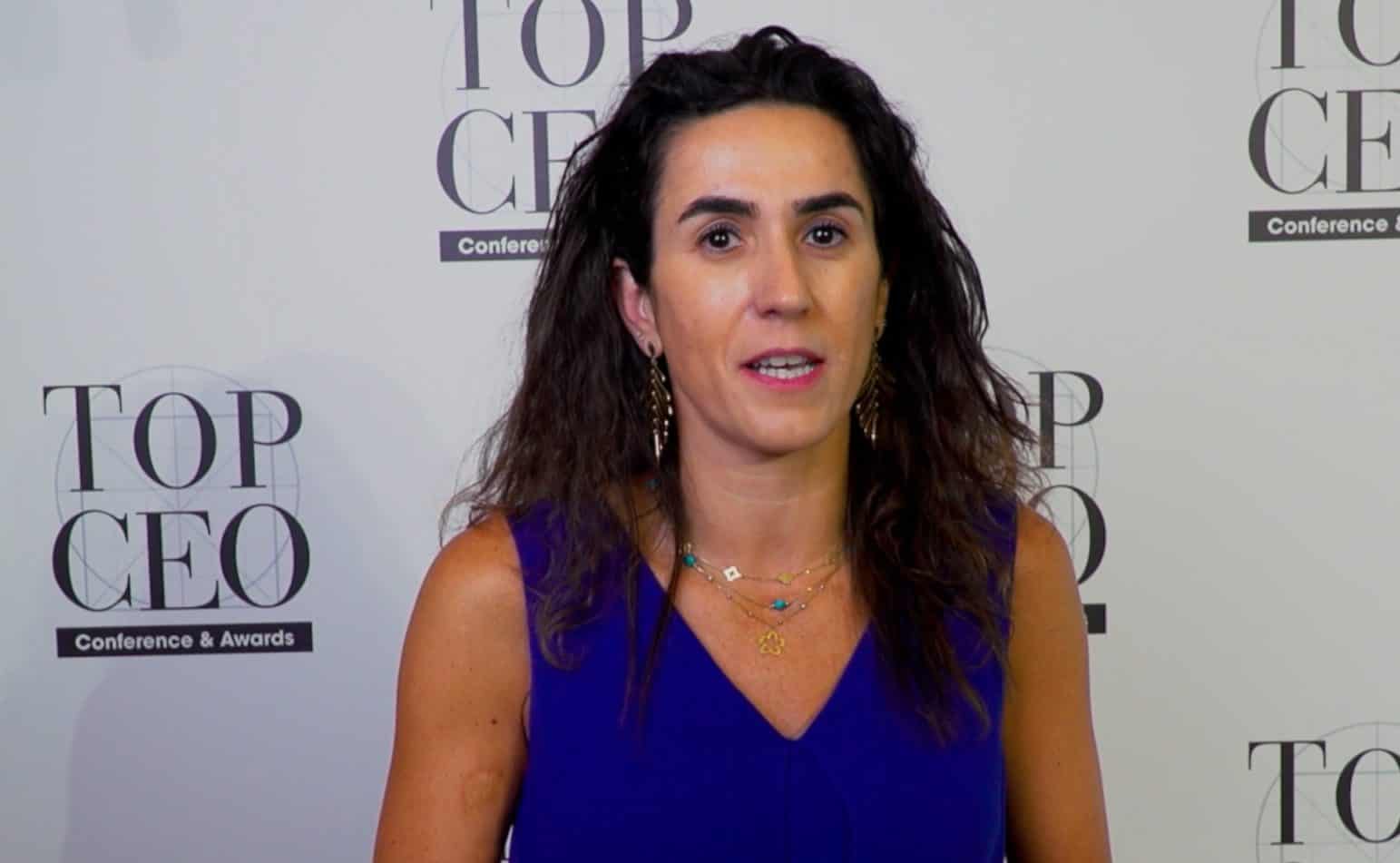


Many women in the Gulf Cooperation Council (GCC) region are studying the Science, Technology, Engineering and Mathematics (STEM) but not enough are working in the sector of the economy that draws on these disciplines, said Christine Harb, CEMEA Vice President of Marketing at Visa, in an interview with TRENDS during the recent TOP CEO Conference.
“I would say that compared to other places in the world it’s very inspiring to see that many women are moving or are studying the tech fields,” Harb said. “But when it comes to the workplace, we are not seeing this transition and we are not seeing enough women representation in the STEM world.”
She contended that the workplaces should offer the right flexible benefits for women to join. “There is definitely a lot that can be done when it comes to empowering women,” Harb said. “First, by ensuring that job descriptions are written in a way that are neutral bias and enticing enough for women to join”.
Women, she said, face some major challenges, one of them is the flexible working place or working hours.
“Now with the pandemic we are seeing a shift when it comes to ways of working. Companies are offering those flexible opportunities and work conditions that allow more women to join the workforce,” Harb said. “This allows them to work on their work-life integration, ensure that they can balance their personal and professional life but also show up in a more authentic way.”
As for the future of the GCC women in technological workplaces, Harb said it is evolving.
“We are seeing it with the metaverse. We are seeing lots of tools being available today for organizations that allow more cohesive and authentic interactions between people,” she said. “So, this will definitely open doors for women on one hand when it comes to joining the workforce. There is a lot that is also being said about learning and development.”