
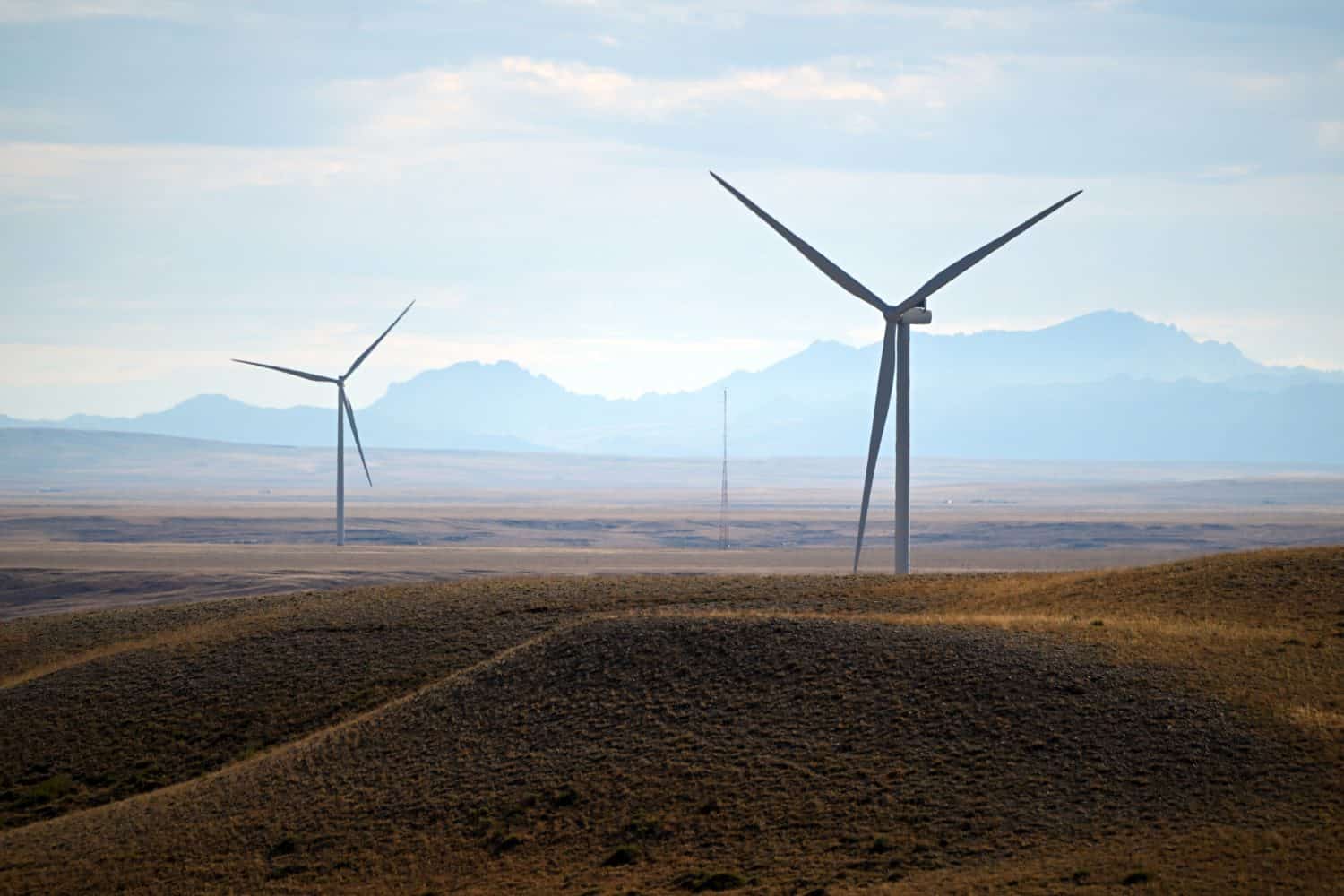


Paris, France— Electricity generation from fossil fuels would have risen by four percent if not for boosts in wind, solar and hydropower as the world’s energy demand grew in the first half of 2022, a study found Wednesday.
Renewable energy sources are seen as crucial in global efforts to combat climate change, with huge falls in the unit costs of wind and solar helping to speed their move into the mainstream.
But with global electricity demand continuing to grow, increases in renewables are so far acting to limit the amount that the world turns to fossil fuels to meet those extra needs.
In its new analysis, energy think tank Ember compared data from the first six months of the year — which included the Russian invasion of Ukraine — and the beginnings of the international energy crisis.
It found that global electricity demand grew by 389 terawatt hours (TWh) in the first half of 2022, while together wind, solar and hydro increased by 416 TWh.
Ember said this prevented a possible four percent increase in power generation from polluting fossil fuels, while avoiding $40 billion in fuel costs and 230 Mt CO2 in emissions.
“We are closer to the tipping point where renewables are able to meet that increase in global electricity demand as the world moves towards being more electrified,” said Dave Jones, Ember global program lead.
He said this meant the level of coal and gas power were kept unchanged.
“The bad news is we need to be getting to a stage where there are deep cuts every year in the global power sector, it’s meant to be the fastest sector to reduce emissions and we’re not at that stage yet.”
Jones said higher prices particularly for gas were “here to stay”, bolstering the allure of renewables.
But the Ember report also noted increased coal and gas power generation in July and August, months that saw a spike in energy use as heat waves swept across large parts of the world.
“Global power sector emissions are still pushing all-time highs when they need to be falling very quickly,” said Malgorzata Wiatros-Motyka, senior analyst at Ember.
“And the same fossil fuels pushing us into a climate crisis are also causing the global energy crisis. We have a solution: wind and solar are homegrown and cheap, and are already cutting both bills and emissions fast.”