
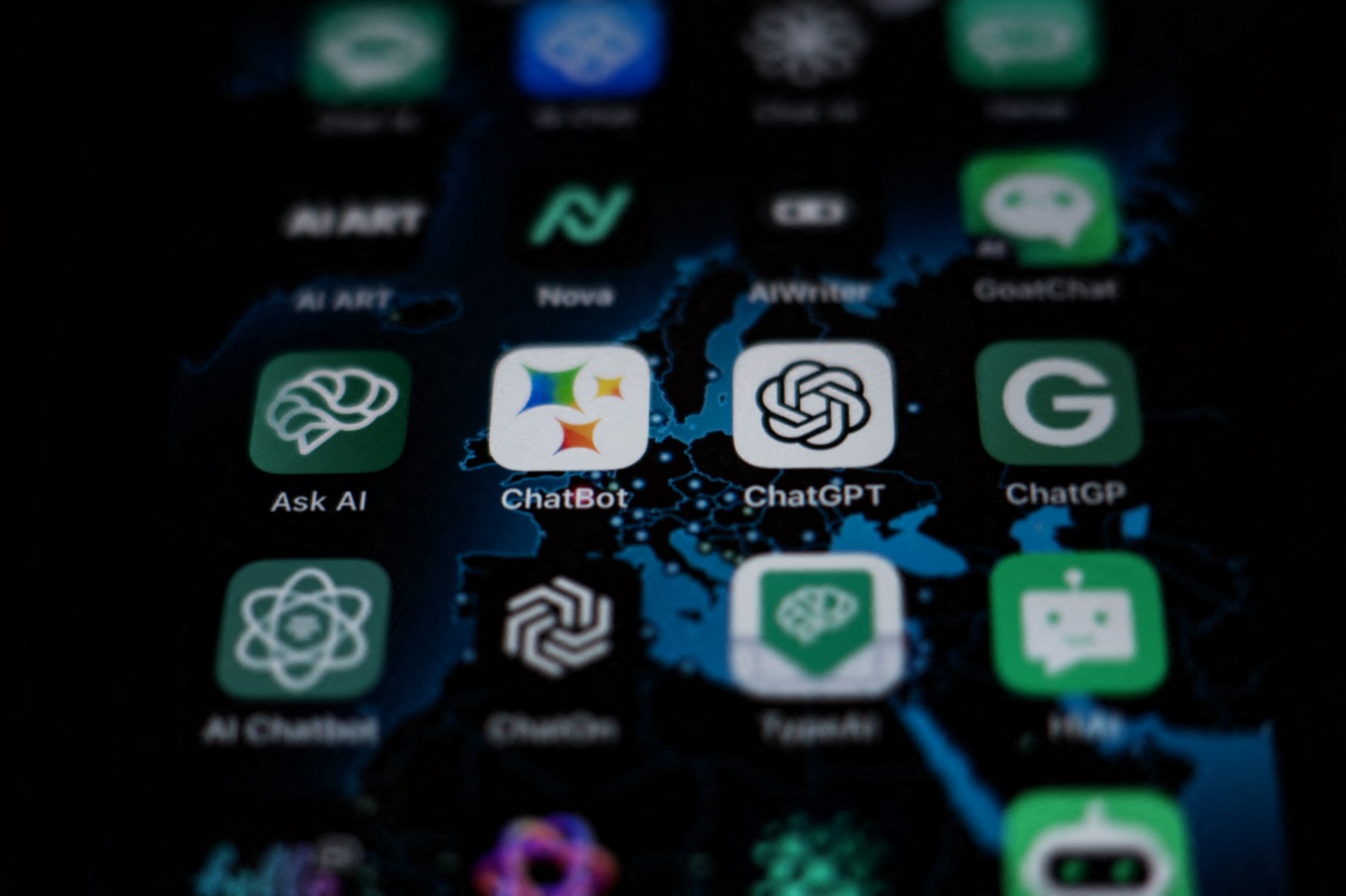


Paris, France – The United Nations called on Thursday for strict rules on the use of AI tools such as viral chatbot ChatGPT in classrooms, including limiting their use to older children.
In new guidance for governments, the UN’s education body UNESCO warned that public authorities were not ready to deal with the ethical issues of rolling out “generative” Artificial Intelligence programs in schools.
The Paris-based body said relying on such programs rather than human teachers could affect a child’s emotional wellbeing and leave them vulnerable to manipulation.
“Generative AI can be a tremendous opportunity for human development, but it can also cause harm and prejudice,” said Audrey Azoulay of UNESCO.
“It cannot be integrated into education without public engagement, and the necessary safeguards and regulations from governments.”
Generative AI programs burst into the spotlight late last year, with ChatGPT demonstrating an ability to generate essays, poems and conversations from the briefest prompts.
It sparked fears of plagiarism and cheating in schools and universities.
But investors poured money into the field and boosters targeted education as a possible lucrative market.
The UNESCO guidance said AI tools have the potential to help children with special needs, act as an opponent in “Socratic dialogues” or as a research assistant.
But the tools would only be safe and effective if teachers, learners and researchers helped to design them and governments regulated their use.
The guidance recommended a minimum age of 13, pointing out that this was the age used by ChatGPT based on US legislation.
“Many commentators understand this threshold to be too young and have advocated for legislation to raise the age to 16,” the guidance added.