


Dubai, UAE–The Global Fund to Fight AIDS, Tuberculosis and Malaria (Global Fund) announced at COP28 that more than 70% of its funding, equivalent to more than $9 billion, will be spent over the next three years in favour of the countries most affected by climate change, with the aim of supporting health programmes.
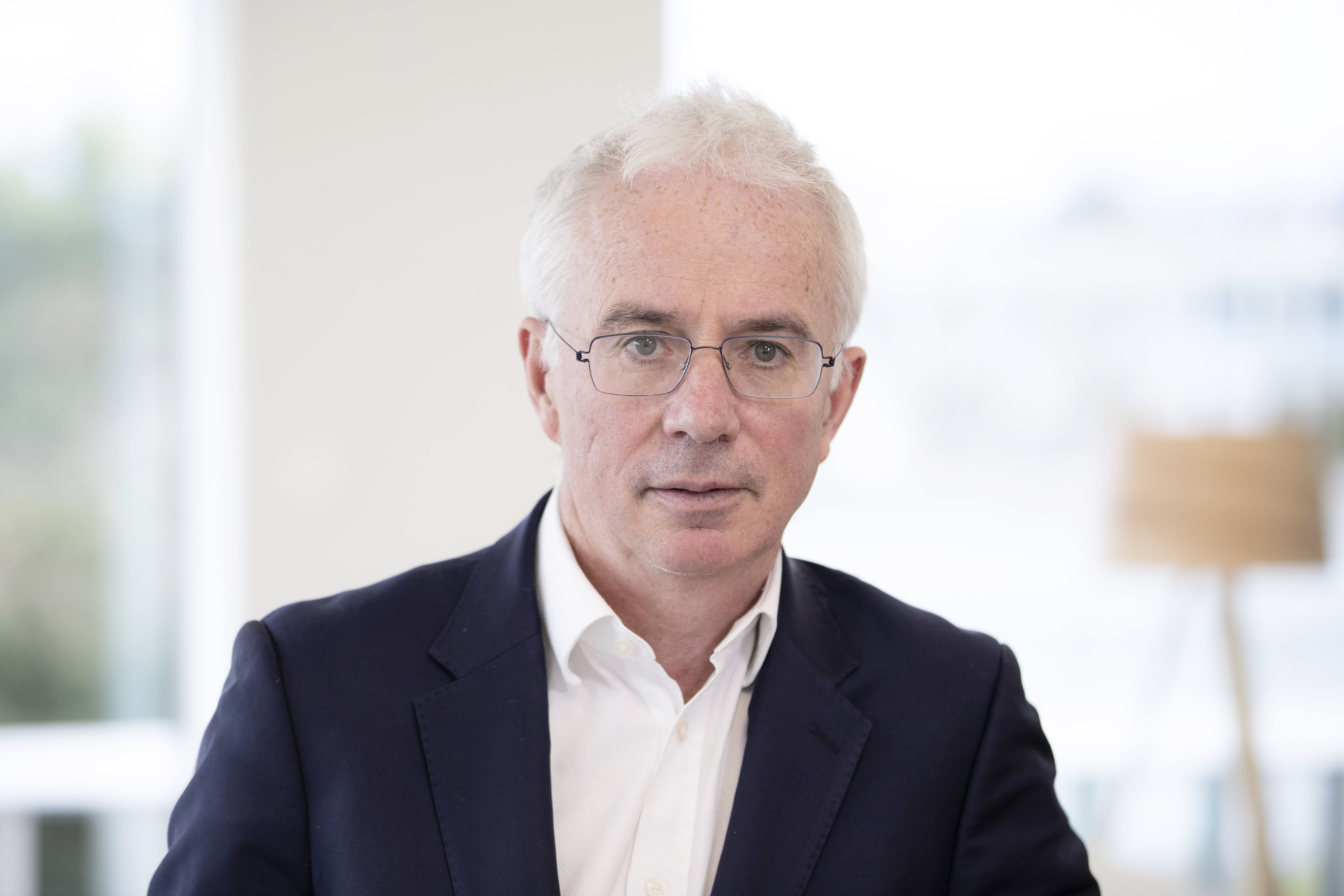
Commenting on the announcement, Peter Sands, Executive Director of the Global Fund, said, “The fight against deadly infectious diseases must go hand in hand with addressing climate change.”
He added, “The climate crisis is having a severe impact on low- and middle-income countries that suffer from high disease burdens and weak health systems, putting communities – who have contributed the least to global carbon emissions – at great risk.”
The Global Fund provides rapid, flexible emergency support to countries on the frontline of climate disasters. It will also invest over US$2.9 billion over the next three years in the 50 most climate-vulnerable countries to strengthen health systems to be more climate-resilient and better prepared for pandemic threats.