
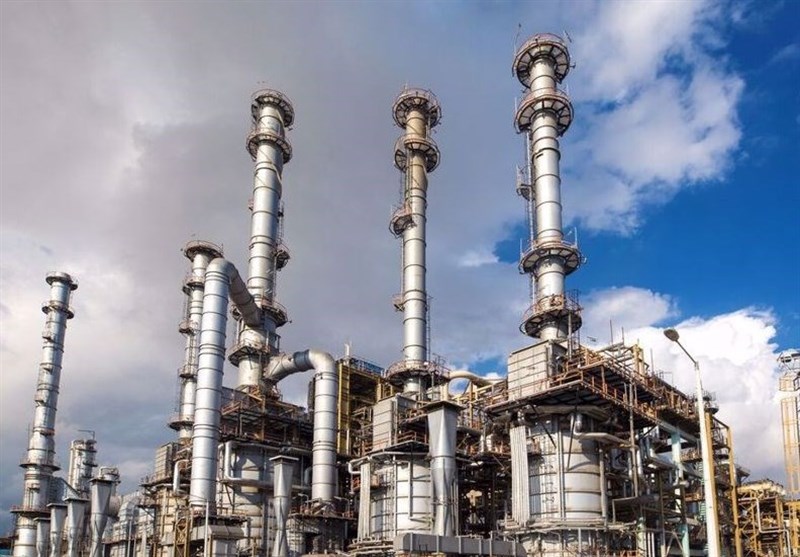


Tehran, Iran – Iran has reported a 15% surge in its gasoline output this year compared to last year. The boost in production has come in response to a growing domestic demand for fuel in the country.
Alireza Jafarpour, Chief Executive of the Persian Gulf Star Oil Refinery, announced that the refinery has achieved a daily gasoline output of 41 million liters, up from 35.6 million liters in the previous year.
The refinery is supplying 4 million liters per day of gasoline derivatives to other refineries to help meet the rising demand.
Jafarpour said that their efforts are contributing to fulfilling 45 million liters of the gasoline demand in Iran, both directly and indirectly.
The Persian Gulf Star Oil Refinery, which operates using condensate, a lightweight form of crude oil, is the world’s largest refinery of its kind and is situated near the port city of Bandar Abbas on Iran’s Persian Gulf coast.
Since its official inauguration in 2019, the refinery has played a crucial role in ensuring Iran’s self-sufficiency in gasoline production, particularly in the face of American sanctions imposed on Iran’s petroleum industry.
Iran’s daily average demand for gasoline exceeds 120 million liters, and on peak travel days, consumption reaches nearly 150 million liters.