
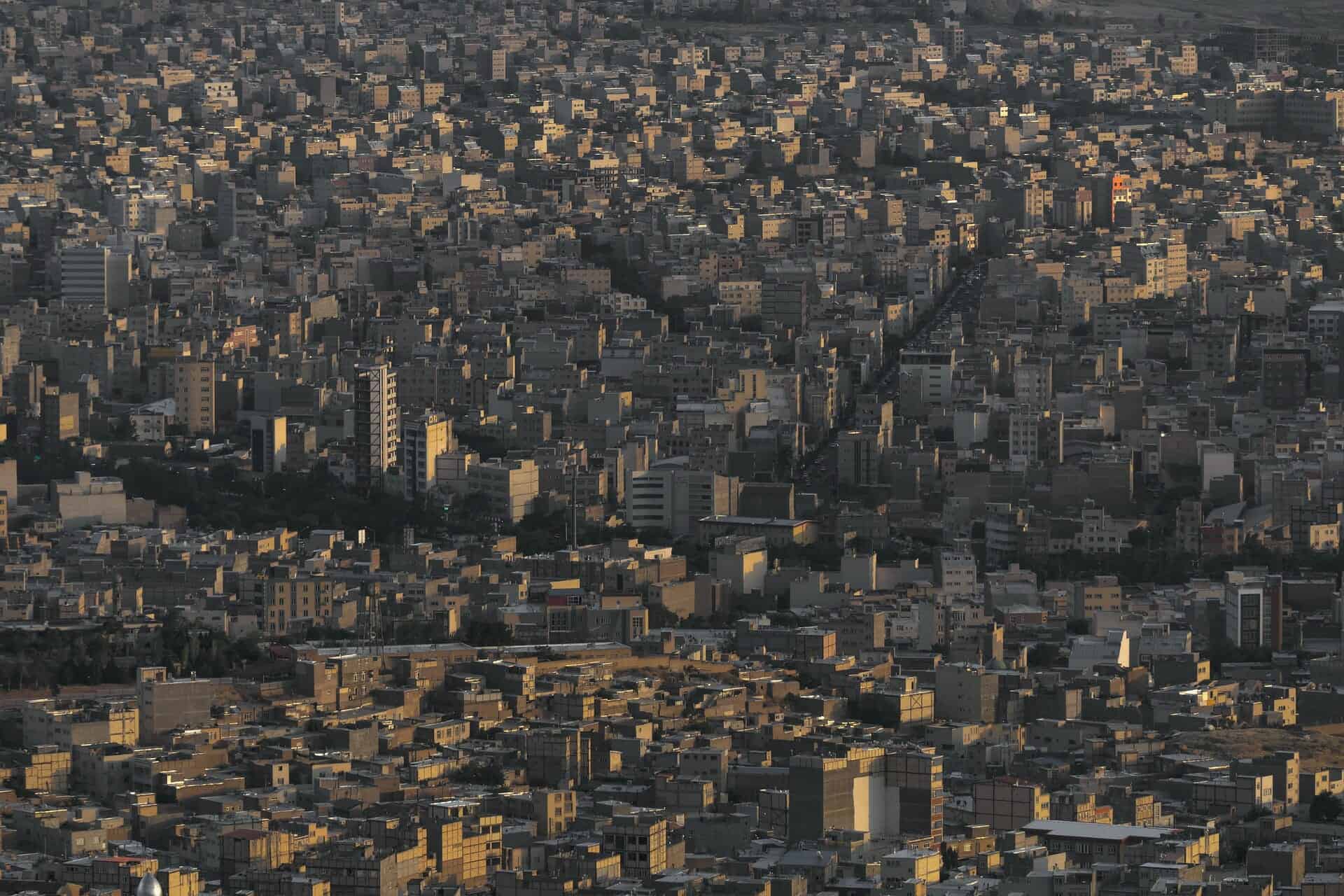


The lack of infrastructure is posing a challenge to Iran’s ambitious one-million housing project, local reports have quoted a top Iranian official as saying.
Mohammad Atabak, the deputy head of Tehran Chamber of Commerce, Industries, Mines and Agriculture, highlighted this problem from the view of providing the required materials for the project.
Apparently, the implementation of the annual construction plan of one million houses is possible and feasible, but the lack of infrastructure, such as water, electricity, and gas, is likely to pose a serious challenge to this project.
The production of constructional materials can certainly meet the need for the construction of this number of houses per year, but not in a situation when power outages have taken the breath away of cement and steel factories, noted Atabak.
He said if the weakness of the infrastructure, especially in the field of energy supply (gas and electricity), is not eliminated, the implementation of this project will probably be challenged.
The one-million housing project is part of Iran’s plan to provide a total of six million houses for its underprivileged population.