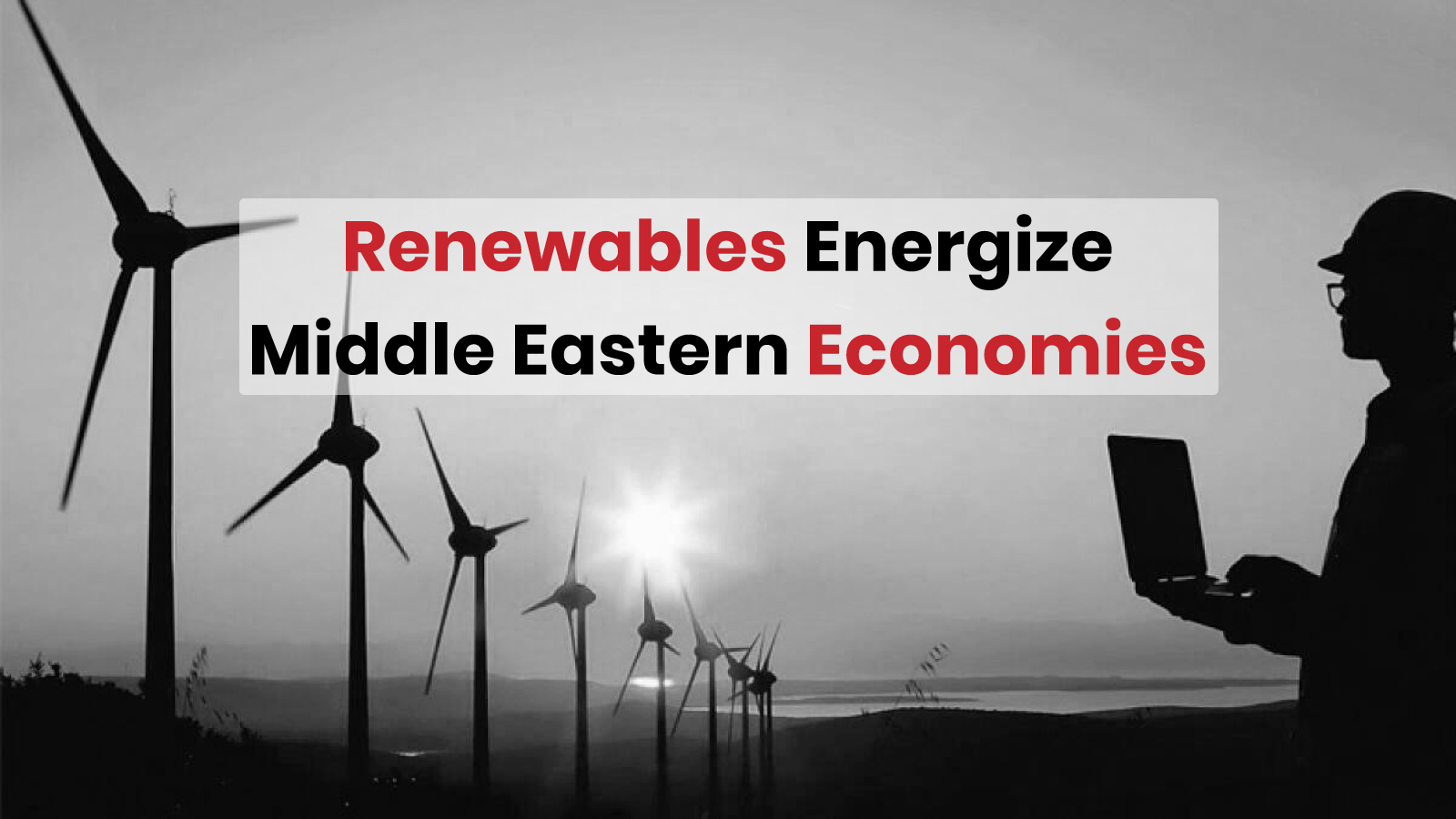

In a significant shift towards sustainable energy, the Middle East is making strides in the adoption of renewable energy sources, particularly solar and wind power. By 2030, solar energy is expected to make up 15 percent of the region’s power mix, generating thousands of new jobs in the solar sector.
Alongside solar, wind energy is also gaining traction. New projects in countries like Oman, Egypt, and Saudi Arabia are set to create numerous job opportunities in wind farms, helping the region inch closer to its clean energy goals.
The Middle East is positioning itself as a global leader in green hydrogen. Recent trade agreements, such as the UAE-Germany Hydrogen Partnership and the Saudi Arabia-Germany Hydrogen Agreement, indicate that the region is set to become a significant exporter of green hydrogen in the coming decades. The region is also focusing on Carbon Capture and Storage (CCS) technology. This will not only reduce emissions from industrial processes but also contribute to the production of low-carbon hydrogen.
The Middle East’s foray into renewable energy is not just a regional milestone; it has global implications. The innovations and exports from the region are expected to create millions of renewable energy jobs worldwide, accelerating the global transition to a net-zero future.
This week’s TRENDS Explainer Video dives into how the Middle East is energizing its economy through renewables. Discover how solar, wind, and green hydrogen are not just transforming the region but setting the stage for a global clean energy revolution!