Exclusive: Green investments lead to tangible returns, says WEF’s Philips
Public-private partnerships are essential for advancing sustainable urban development and meeting net-zero targets, Vivian Brady Phillips, Head of Strategic Initiatives,...Business Economy


Rudolph Lohmeyer: The Gulf is redefining the global future, not just adapting to it
The Middle East must counter global economic divergence by enhancing regional financial integration to drive collective growth, Rudolph Lohmeyer tells...Business Economy




Saudi Arabia invests billions in biotech sector: report
The kingdom accelerates its biotech and genomics sector with substantial investments, in line with Vision 2030's push for economic diversification...A recent Arthur D. Little (ADL) projects a double-digit growth that could reinforce Saudi Arabia as a major player in the global biotech landscape
The Kingdom's commitment is evident in its significant R&D investments, with a reported US$ 3.9 billion allocated in 2021 alone

Oil prices fall amid Israeli Palestinian cease-fire hopes, US crude stockpile building
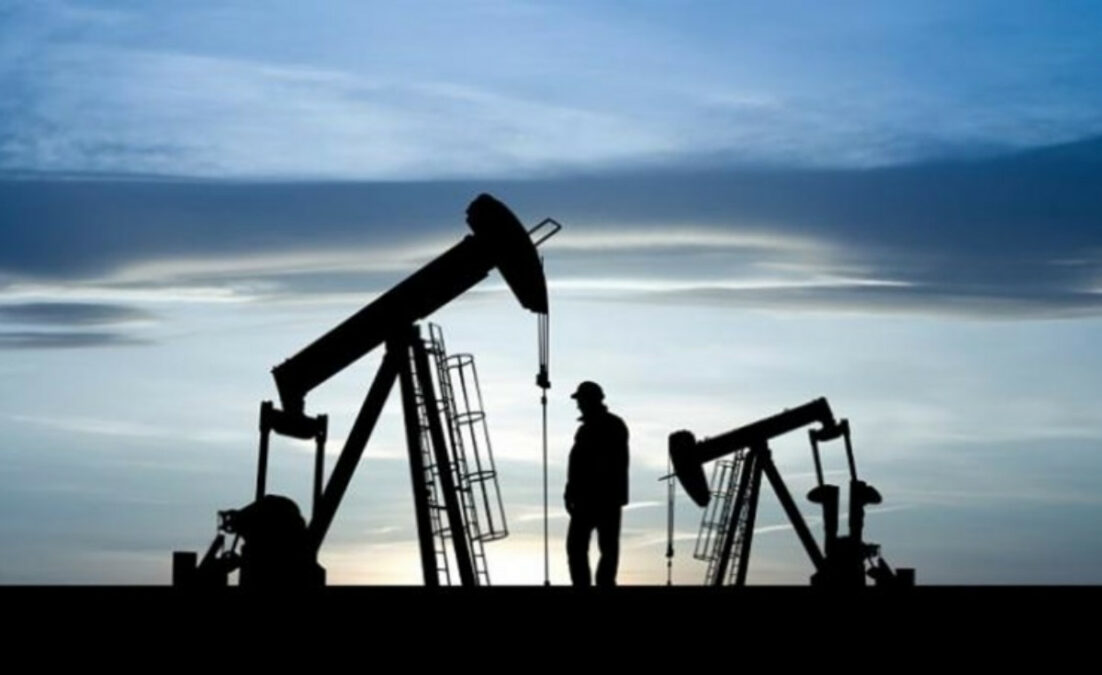
Oil prices fell on Wednesday over growing hopes for a cease-fire agreement between Israel and Hamas and rising crude inventories...International benchmark Brent crude traded at $85.28 per barrel
Increase of 4.9 million barrels in US crude oil inventories

US Federal Reserve keeps interest rates at 23-year high
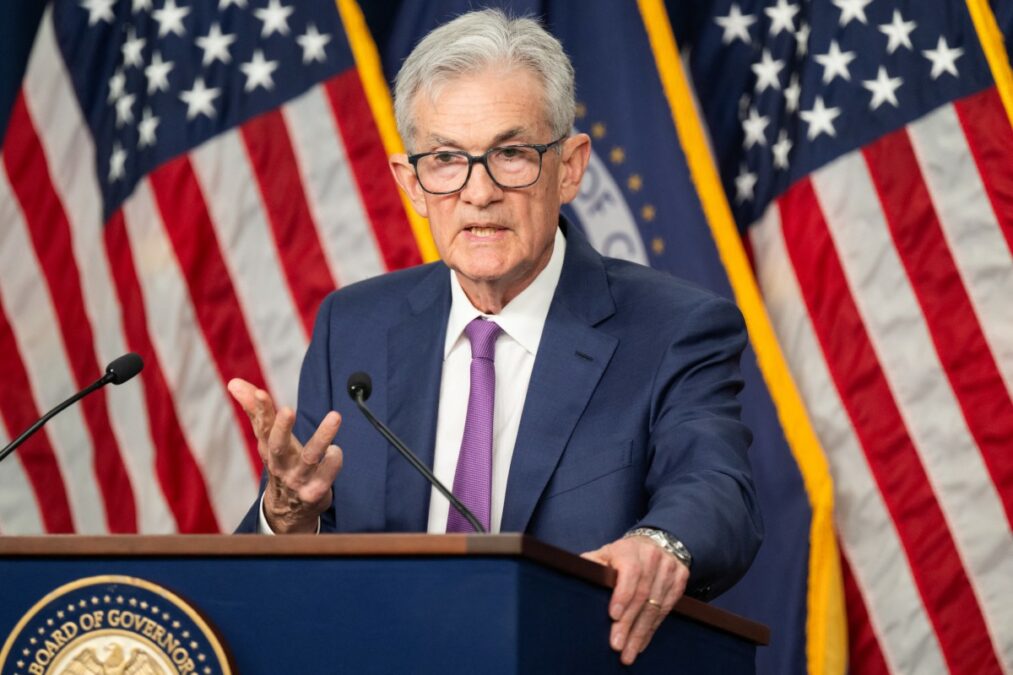
Washington, United States - The US Federal Reserve on Wednesday held interest rates steady for a sixth straight meeting, keeping the...After a two-day gathering, the central bank decided unanimously to keep the benchmark lending rate unchanged at 5.25-5.50 percent
For months, the US central bank has held its benchmark lending rate at a high level to cool demand and rein in price increases
Stablecoins and DeFi drive crypto market’s renewed growth: report
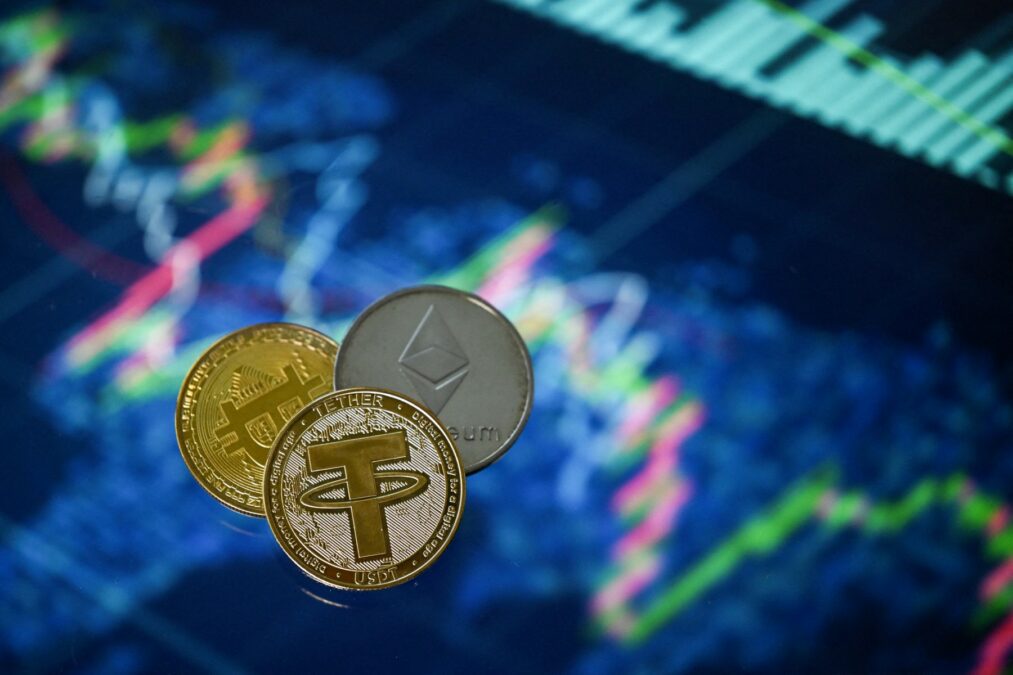
The "2024 Crypto Spring Report" highlights the resurgence of the cryptocurrency market, fueled by institutional adoption, stablecoins, DeFi, signaling a...Another key driver of this positive shift is institutional investors' increasing adoption of blockchain technology
Stablecoins offer a reliable store of value for individuals living in regions with economic instability or currency devaluation

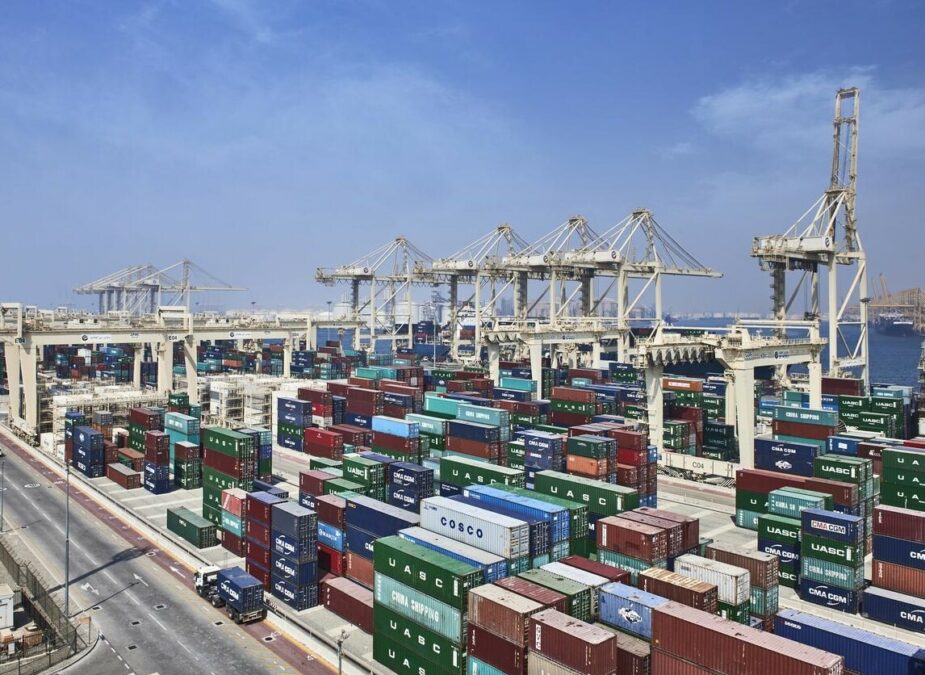
GCC countries mobilize to build resilient industrial supply chains: report
GCC countries are prioritizing actions like near-shoring, international partnerships, and technology adoption to ensure supply chain adaptability and responsiveness, says...Saudi Arabia launched the Global Supply Chain Resilience Initiative to attract investments and position itself as a hub for leading industrial companies
The UAE is focusing on strengthening its food supply chains through local production initiatives, logistics hubs, and advanced technologies

MENA’s rising debt: A cause for global concern
MENA's debt-to-GDP ratio surged 23% in 6 years due to pandemic fallout, with only 8 of 19 countries returning to...The debt-to-GDP ratio in the MENA region has increased by over 23 percent in the past six years, according to World Bank report
The report highlights a staggering increase of over 11 percentage points in the debt-to-GDP ratio in 2020 alone due to pandemic

Europe reverses course on interest rates, diverging from U.S. Fed policies
For much of the past two years, policymakers on both sides of the Atlantic raised interest rates aggressively to fight...The IMF recommended that the ECB cut rates quarterly in quarter-point increments until September 2025
Monetary policy in the GCC will remain tight, deterring some private sector investment

Business and leisure combo drives GCC tourism boom
Business travelers worldwide are drawn to the GCC countries due to their rapidly growing economies, strategic geographic locations, and ambitious...The region has positioned itself as a hub for a diverse range of travelers, including job seekers, investors, artists, and even those merely passing through
The GCC is becoming a hub for major cultural and entertainment events, from art exhibitions and live concerts to sports events

Despite sanctions, Iran oil exports hit six-year high: report
Tehran, Iran - Iran managed to sell an average of 1.56 million barrels per day during the first quarter of...The success in oil exports highlights the challenges faced by the US and EU in their efforts to exert pressure on Tehran
Iran's Oil Minister Javad Owji stated that oil exports generated over $35 billion in revenue in the previous year

Oil prices surge, Asian markets fall following Iran explosions
Oil prices surged more than three percent in early Asian trade, and Asian stock markets slumped by over 3 percent...West Texas Intermediate jumped 4 percent to $86 and Brent rose 3.9 percent to $90.5
Asian stocks tumbled Friday, with Japan’s Nikkei slumping as much as 3.5 percent