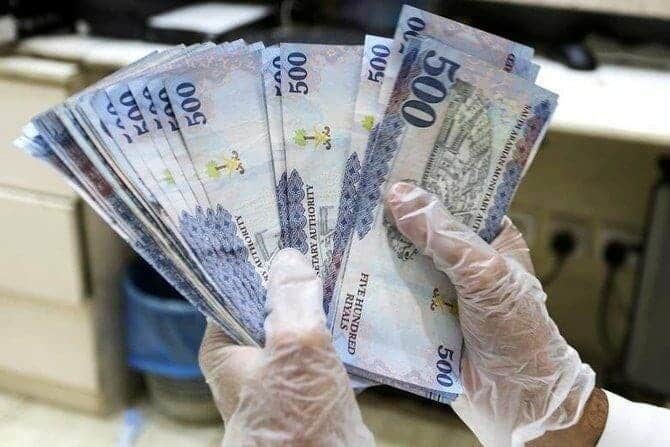

Better days for Saudi economy seem to be on the horizon as the kingdom’s budget deficit has narrowed sharply in the first six months of this year, with the government applying more fiscal discipline and increasing non-oil revenue sources, mainly from taxes.
The deficit for the first half of 2021 dropped a staggering 92 percent from the same period last year to SR12 billion, while keeping spending around the same levels.
Saudi Arabia, the world’s largest oil exporter, was hit last year by the twin shocks of COVID-19 and record-low oil prices. A rebound in demand for crude and the easing of coronavirus restrictions, however, have helped to lift the economy in recent months.
Most of the improvement in oil prices came as Saudi Arabia worked with Russia and other allied producers to balance the market through voluntary cuts in production.
With oil revenues on the rise and more government borrowing, analysts now believe that the deficit this year will continue to fall. “We expect the deficit will slide to SR62 billion for the full year, down from SR141 billion we expected in the beginning of the year. This is supported by oil revenue that benefited from a market recovery,” Mazen Al-Sudairi, head of research at AlRajhi Capital, told Arab News.
The government took many measures to safeguard and stimulate the economy from the impact of the pandemic last year, which resulted in a ballooning deficit in the second quarter, Ministry of Finance data showed. This year, the economy has displayed stronger signs of recovery in line with global growth, leading to higher oil sales abroad and more non-oil activities at home.
Total state revenues in the first half increased by 39 percent to SR453 billion, fueled by an increase in taxes and a rise in oil sales. Oil prices this year increased from $52 in January to $75 in July, along with steady ramping up of Saudi oil production under the OPEC+ deal. The result was an increase in oil revenues by 11 percent to SR249 billion in the first six months of the year, according to the data.