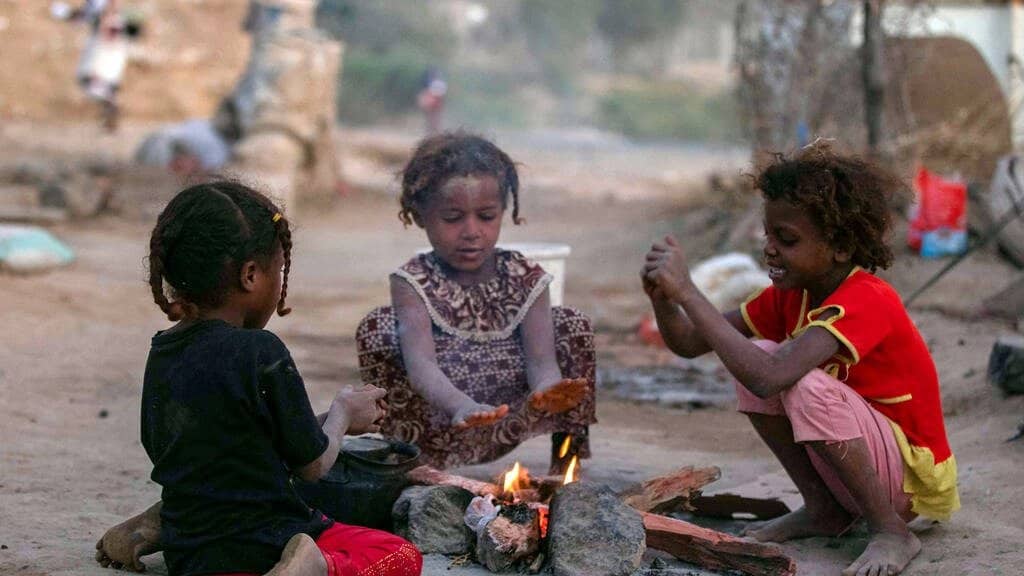

The United Nations will need around $3.9 billion this year to help millions of people in war-torn Yemen, a top UN humanitarian official said Wednesday.
Acting Assistant Secretary-General for Humanitarian Affairs and Deputy Emergency Relief Coordinator Ramesh Rajasingham told the UN Security Council that “the biggest constraint right now is funding” to help some 16 million people in Yemen, where a civil war has raged for over seven years.
“I call on all donors to sustain –- and if possible, to increase –- their support this year,” Rajasingham said.
He added that funding has been decreasing in recent years, with last year’s response plan only funded at 58 percent and with the UN World Food Program in December announcing cuts in its assistance budget for eight million people.
“Other vital programs, including water, protection and reproductive health services, have also been forced to scale back or close in recent weeks for lack of funds,” Rajasingham said.
Aside from funding, humanitarian access and security also remain major impediments to aid.
Yemen’s civil war began in 2014 when Iranian-backed Huthi rebels seized the capital Sanaa, prompting Saudi-led forces to intervene to prop up the government the following year.
The UN has estimated the war killed 377,000 people by the end of 2021, both directly and indirectly through hunger and disease.