


-
ADFD reportedly provided a concessionary loan of $15 million (AED55 million) to finance the project
-
The plant, located in Blitta in the Centrales region of Togo, was inaugurated on Tuesday on a 92-hectare site
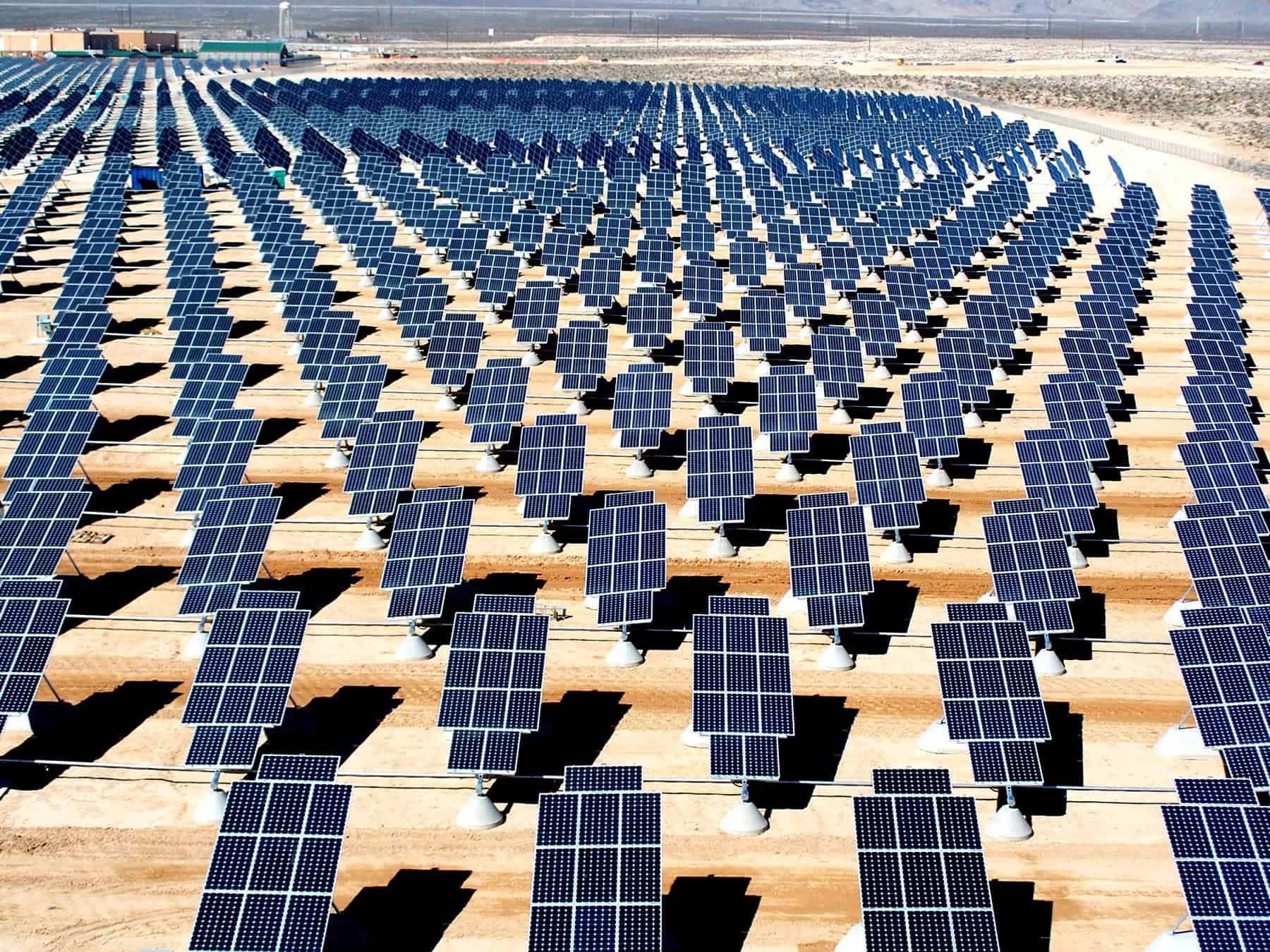
A 50-megawatt solar plant in Togo in West Africa, financed by the Abu Dhabi Fund for Development, is slated to start supplying power to 158,000 facilities in the country, said local reports on Wednesday, June 23.
ADFD, the economic development arm of the UAE government, reportedly provided a concessionary loan of $15 million (AED55 million) to finance the project. The reports said the project created 700 jobs during construction, out of which 80% were Togolese.
Named the Mohamed Bin Zayed Solar Complex, after the UAE’s crown prince, it was developed by Amea Togo Solar, a subsidiary of UAE-based global renewable energy-developer Amea Power.
The plant, located in Blitta in the Centrales region of Togo, was inaugurated on Tuesday on a 92-hectare site.
It is expected to help advance the Togolese national clean energy strategy and its aspiration to increase its renewable energy share by 50% by 2025 and 100% by 2030 while reducing CO2 emissions in the country by more than 1 million tons.
Togo’s 8.2 million people have traditionally generated energy from biomass, which is a major contributor to fossil-fuel pollution. Even then, only 29% of its population had electricity in 2015.
Additionally, national production capacity was so low that Togo had to rely on expensive energy imports from countries like Ghana and Nigeria.