
Economic growth in the eurozone accelerated and hit a seven-month high in April, a key survey showed on Friday, despite concerns about inflation and Russia’s war in Ukraine.
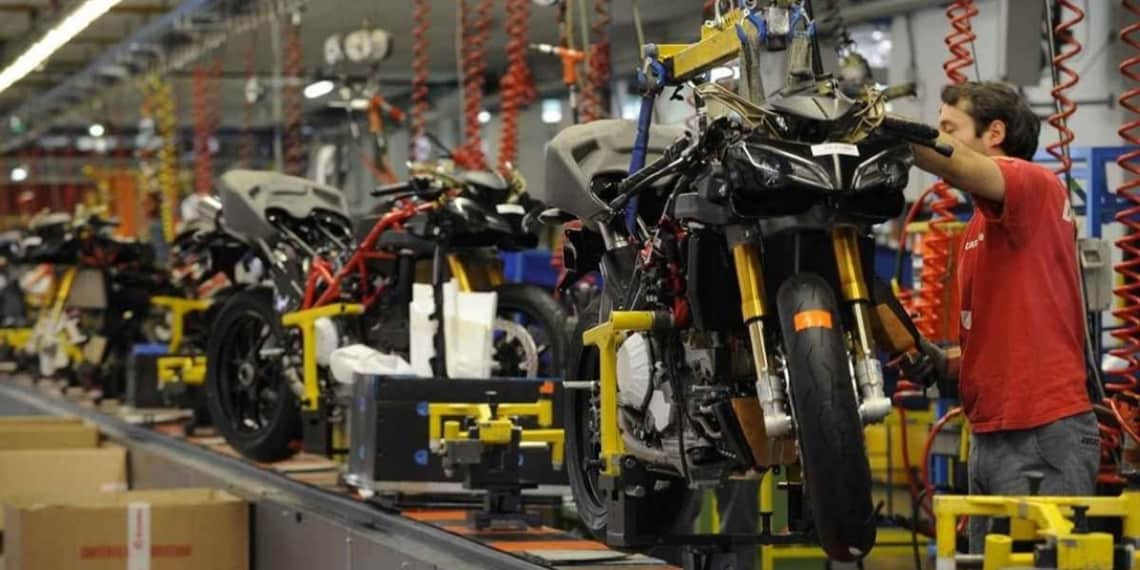
The closely-watched monthly purchase managers’ index (PMI) by S&P Global found that a rebounding services sector, benefiting from loosened Covid-19 restrictions, helped compensate for a near stagnation of manufacturing output.
Meanwhile goods and services prices rose at an unprecedented rate in April amid another near-record rise in firms’ costs, hinting at further inflation rises to come, the survey said.
S&P Global’s PMI rose from 54.9 in March to 55.8. A figure above 50 indicates growth.
“The eurozone has therefore started the second quarter on a stronger-than-anticipated footing, confounding consensus expectations of a slowdown,” said S&P Global’s chief business economist Chris Williamson.
“However, the weakness of the manufacturing sector is a major concern as it points to an economy that is not firing on all cylinders.
“Similarly, the ever-rising cost of living suggests that service sector growth could cool sharply once the initial rebound from the opening up of the economy fades.”
The automotive sector took the hardest hit, with production levels falling sharply in April — and at a faster rate than in March, the survey said.
Companies which suffered production cuts pinned their difficulties on severe supply chain problems, exacerbated by the war in Ukraine and fresh lockdowns in China aimed at combating the Covid-19 pandemic.
Growth evolved differently in countries across the eurozone.
In Germany, the largest economy in the bloc, the growth rate fell to the lowest level for three months, with a good performance in services failing to offset the first drop in manufacturing since June 2020.
But in France, growth accelerated and reached its highest level since January 2018, thanks to continued modest expansion in manufacturing and a strong increase in service sector activity.