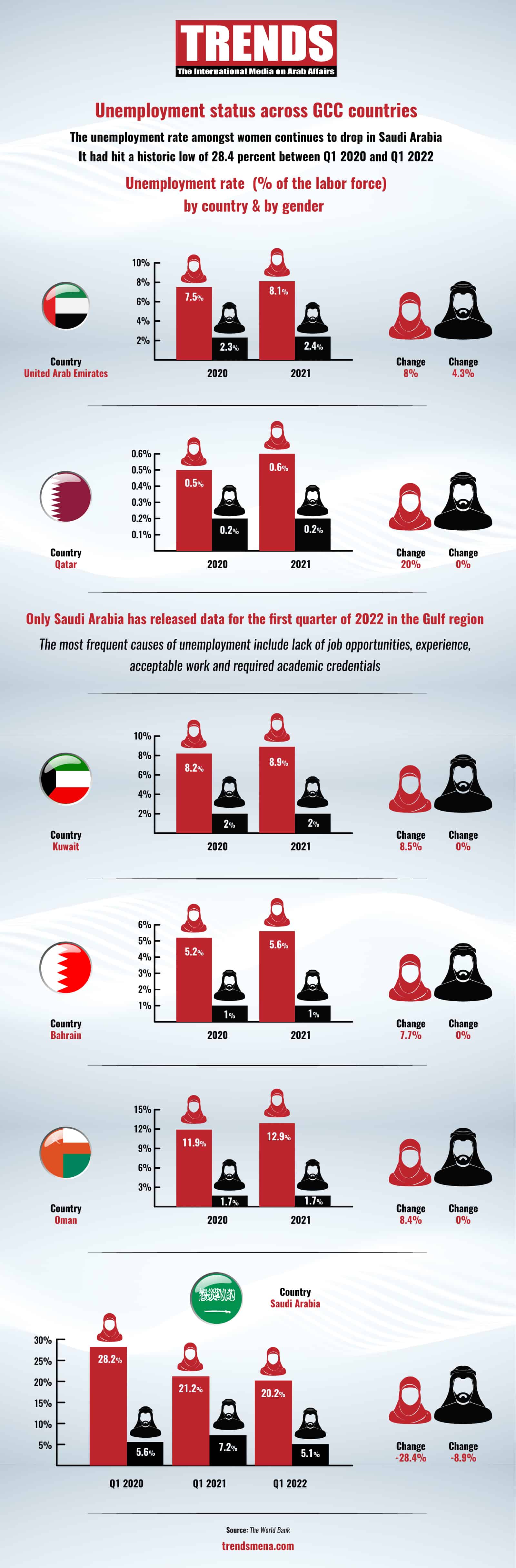

The Gulf Cooperation Council (GCC) countries have taken several measures to increase the local employment, especially the UAE and Saudi Arabia, which requires the private sector to set aside a certain percentage of their jobs for the nationals.
The UAE has amended several legislations and implemented financial support scheme in addition to other benefits to drive work opportunities for both young and experienced Emiratis in the private sector.
The UAE has allocated AED24 billion to support the private sector and create 75,000 job opportunities for Emiratis over the coming few years.
The Emirati Talent Competitive Council aims to increase the competitiveness of Emirati talents and enabling them to occupy 75,000 new jobs in the private sector over the next five years.
GCC countries have also established electronic platforms for hiring their citizens. These platforms provide residents with quick and accessible electronic services for applying for government and private sector jobs.
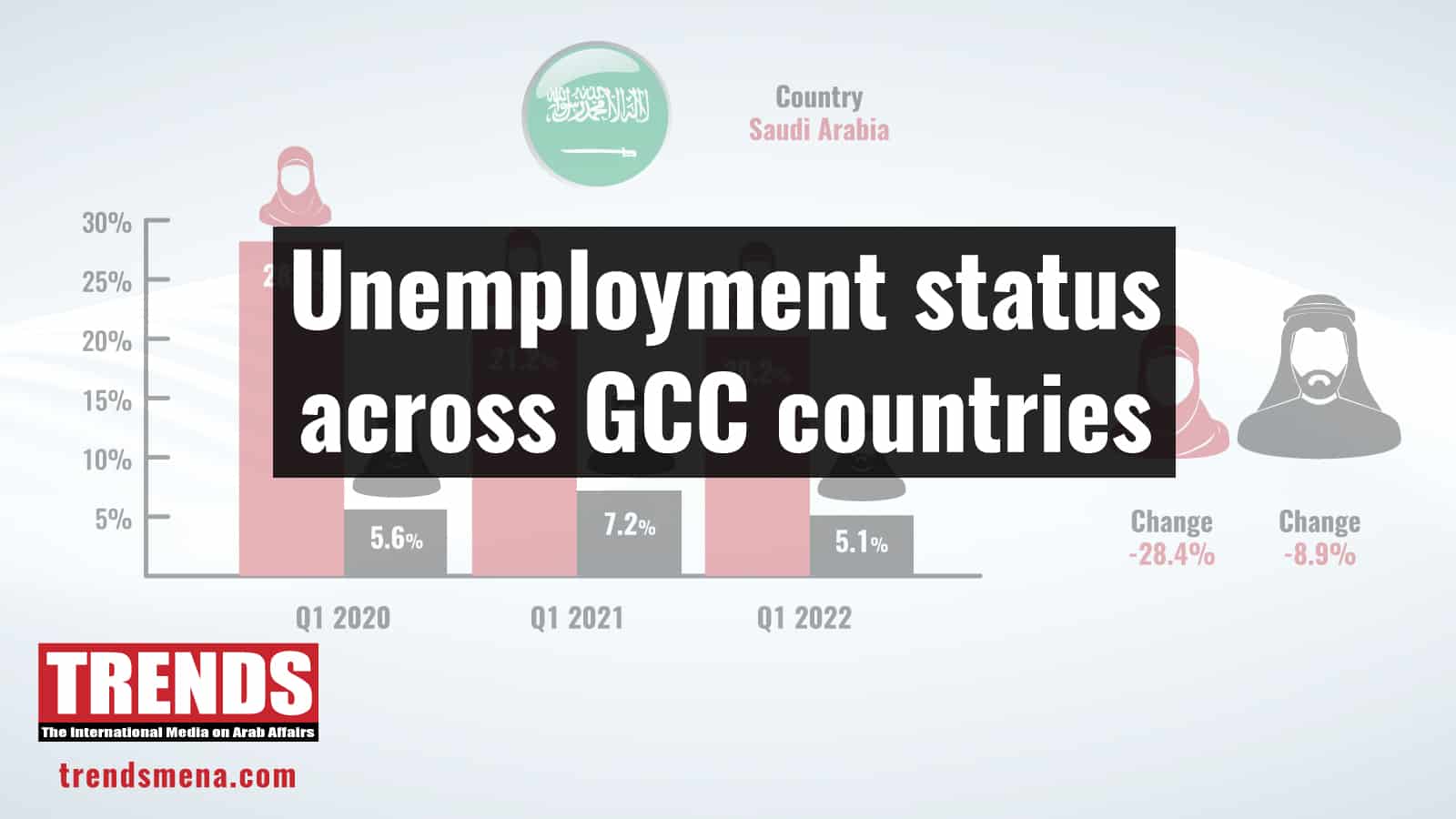
The measures have led to an increase in employment in most of the GCC countries, but the Ukraine-Russia crisis, global economic turbulence and the aftermath of Covid-19 may pose challenges. TRENDS looks at employment situation in the GCC region: