


Saudi Arabia called Friday on Lebanon to make long-term changes after a sectarian flare-up, saying the country’s leadership has failed to address structural problems.
“Just the events of the last two days show us that Lebanon needs real, serious change,” Saudi Foreign Minister Prince Faisal bin Farhan told reporters on a visit to Washington, a day after Lebanon’s worst sectarian violence in years.
Prince Faisal said that Lebanon needed to “address economic but also political structural problems” rather than relying on “short-term fixes.”
“The responsibility for that lies squarely on the shoulders of the Lebanese leadership,” he said.
“They need to make a real choice to lift Lebanon out of the morass it is in now. We have so far not seen that they have made that decision.”
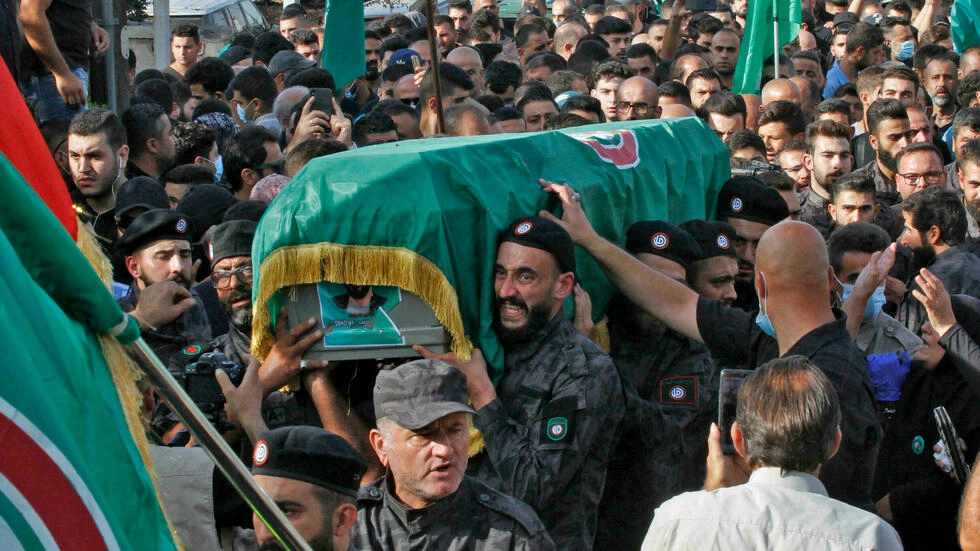
Seven people were killed as snipers opened fire on a rally by Hezbollah, the powerful group allied with Saudi Arabia’s regional rival Iran, and fellow Shiite movement Amal as they protested against a judge investigating last year’s devastating port blast.
Hezbollah blamed the Lebanese Forces, a Christian party, and accused the group of seeking a return to the country’s brutal civil war.
Saudi Arabia, a Sunni Muslim state, was the site of negotiations that led to the 1989 Taif agreement that ended the war.
The kingdom was seen as forcibly intervening in 2017 when then prime minister Saad Hariri, a Sunni, resigned while visiting Saudi Arabia and denounced Hezbollah, although he later returned to his position.