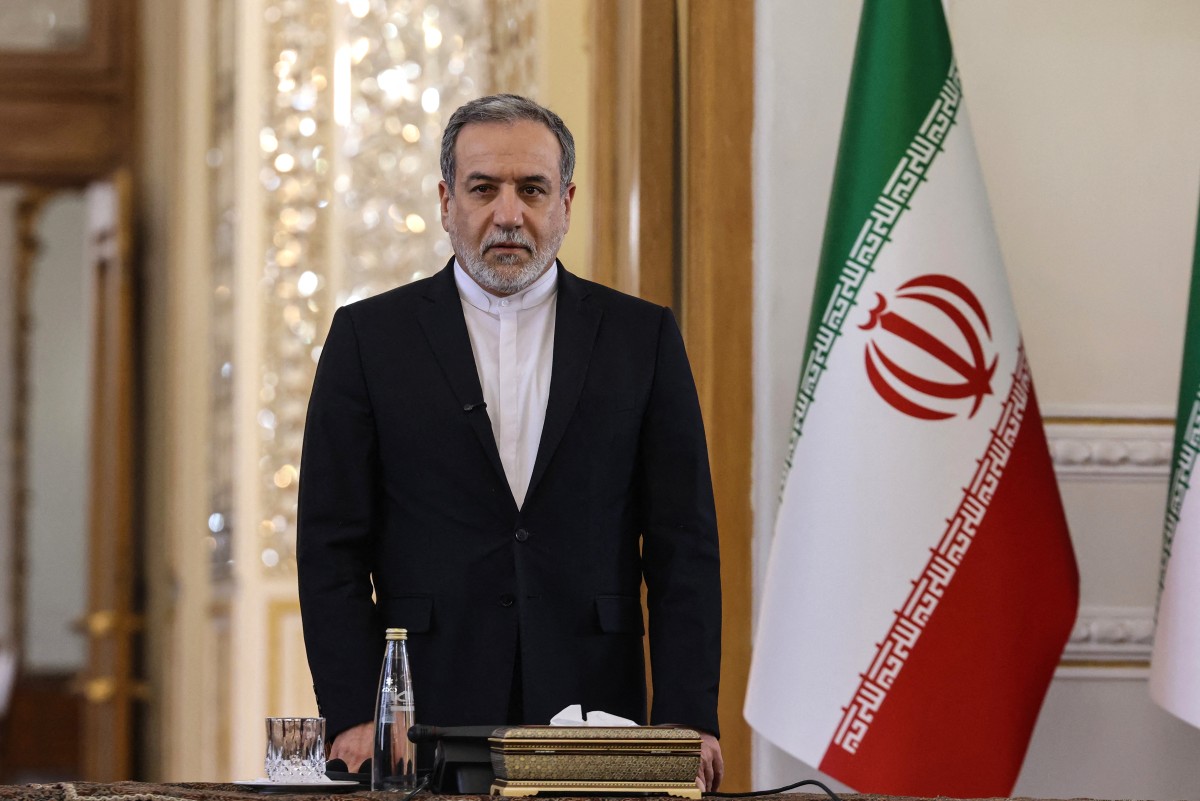

Dubai, UAE — Iranian Foreign Minister Abbas Araghchi said on Friday that a draft agreement to end the conflict with the United States could be signed remotely within days, signalling what he described as the final stage of negotiations between the two countries.
Speaking to Iranian state television, Araghchi said the agreement would initially be signed digitally by both sides before being formally announced.
“As soon as the final stages of our negotiations are completed, this agreement will be signed and announced,” Araghchi said. “This could happen in the coming days. I am very hopeful.”
The minister said the proposed framework would address issues including the U.S. naval blockade and the future administration of the Strait of Hormuz, one of the world’s most strategically important shipping routes.
Hormuz tolls remain sticking point
Araghchi said Tehran wanted any agreement to allow Iran to charge ships transiting the Strait of Hormuz for what he described as services provided during passage.
“There will be costs involved, and those costs must be paid,” he said.
Iran introduced a toll system during the conflict, a move the United States and several other countries have argued violates international law.
Military tensions continue despite diplomacy
The diplomatic optimism came amid fresh military incidents in the Gulf.
The U.S. military said late on Friday that its forces had shot down several Iranian one-way attack drones that were allegedly targeting commercial vessels transiting the Strait of Hormuz.
U.S. Central Command (CENTCOM) said in a statement that Iran had launched multiple drones against commercial shipping but added that the waterway remained open to maritime traffic.
A source familiar with the matter told Reuters that the drones had posed a threat to commercial vessels, prompting U.S. forces to intercept them.
Earlier, U.S. President Donald Trump warned Tehran against targeting ships in the Strait, saying Iran “better get their act together, and FAST!”
Reports outline possible ceasefire terms
Iranian media earlier reported details of a potential ceasefire arrangement, including a 60-day negotiating period to reach a broader nuclear agreement, the release of frozen Iranian assets and a permanent end to hostilities across multiple fronts, including Lebanon.
Neither Washington nor Tehran has officially confirmed the reported terms.