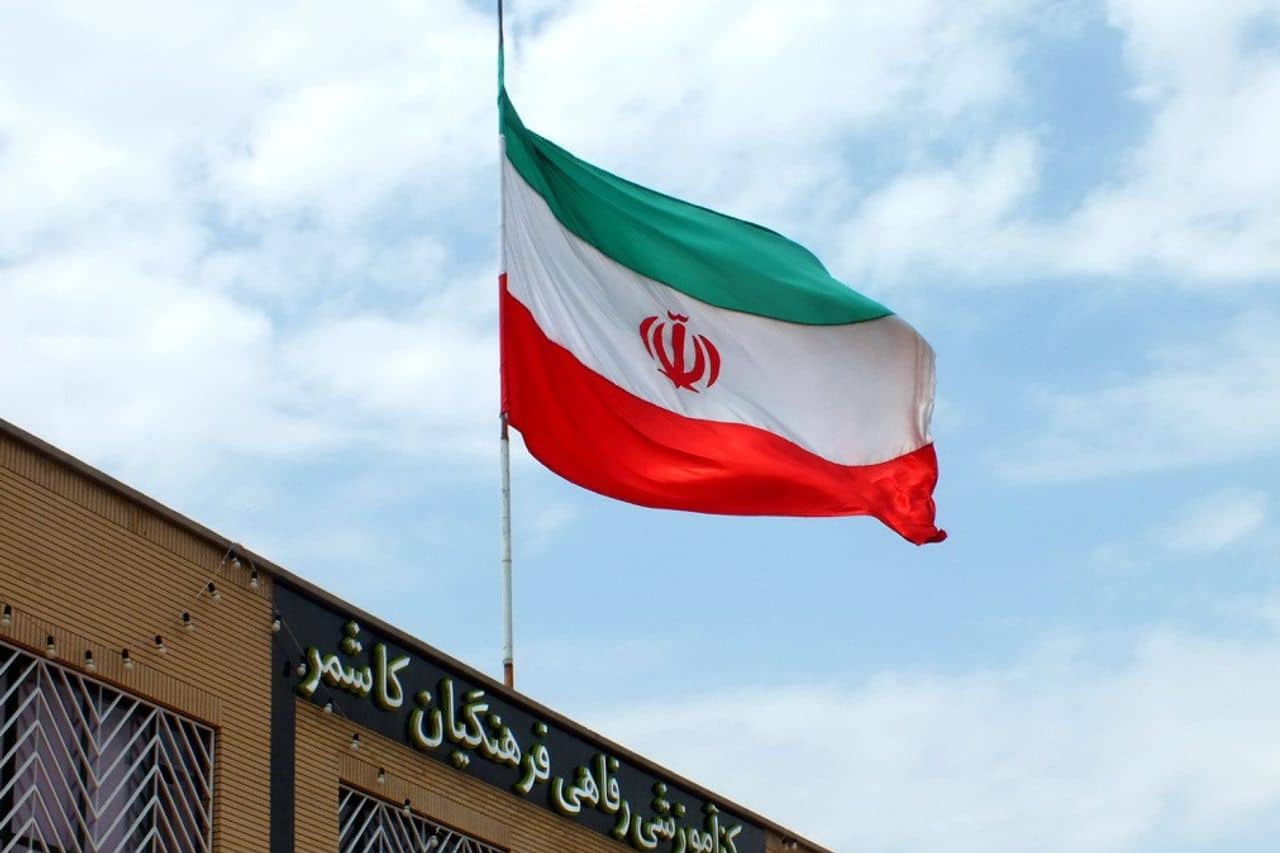

Tehran, Iran — Iran’s parliament speaker said on Sunday that the latest US proposal for a nuclear deal does not include the lifting of sanctions, state media reported as negotiations appear to have hit a roadblock.
The two foes have held five rounds of Omani-mediated talks since April, seeking to replace a landmark agreement between Tehran and world powers that set restrictions on Iran’s nuclear activities in return for sanctions relief, before US President Donald Trump abandoned the accord during his first term in 2018.
In a video aired on Iranian state TV, parliament speaker Mohammad Bagher Ghalibaf said that “the US plan does not even mention the lifting of sanctions”.
He called it a sign of dishonesty, accusing the Americans of seeking to impose a “unilateral” agreement that Tehran would not accept.
“The delusional US president should know better and change his approach if he is really looking for a deal,” Ghalibaf said.
On May 31, after the fifth round of talks, Iran said it had received “elements” of a US proposal, with officials later taking issue with “ambiguities” in the draft text.
The US and its Western allies have long accused the Islamic republic of seeking to acquire nuclear weapons, a charge Iran has consistently denied, insisting that its atomic programme was solely for peaceful purposes.
Key issues in the negotiations have been the removal of biting economic sanctions and uranium enrichment.
Tehran says it has the right to enrich uranium under the nuclear Non-Proliferation Treaty, while the Trump administration has called any Iranian enrichment a “red line”.
Trump, who has revived his “maximum pressure” campaign of sanction on Iran since taking office in January, has repeatedly said it will not be allowed any uranium enrichment under a potential deal.
On Tuesday, Iran’s top negotiator, Foreign Minister Abbas Araghchi, said the country “will not ask anyone for permission to continue enriching uranium”.
According to the UN nuclear watchdog, the International Atomic Energy Agency (IAEA), Iran is the only non-nuclear-weapon state in the world that enriches uranium up to 60 percent — still short of the 90 percent threshold needed for a nuclear warhead.
Iran’s supreme leader Ayatollah Ali Khamenei on Wednesday rejected the latest US proposal and said enrichment was “key” to Iran’s nuclear programme.
The IAEA Board of Governors is scheduled to meet in Vienna later this month and discuss Iran’s nuclear activities.