
Saudi Arabia, Turkey and Pakistan are expected to sign a joint defence agreement in Jeddah on Friday, marking a significant expansion of regional security cooperation as conflict linked to Iran continues to reshape the Middle East’s strategic landscape.
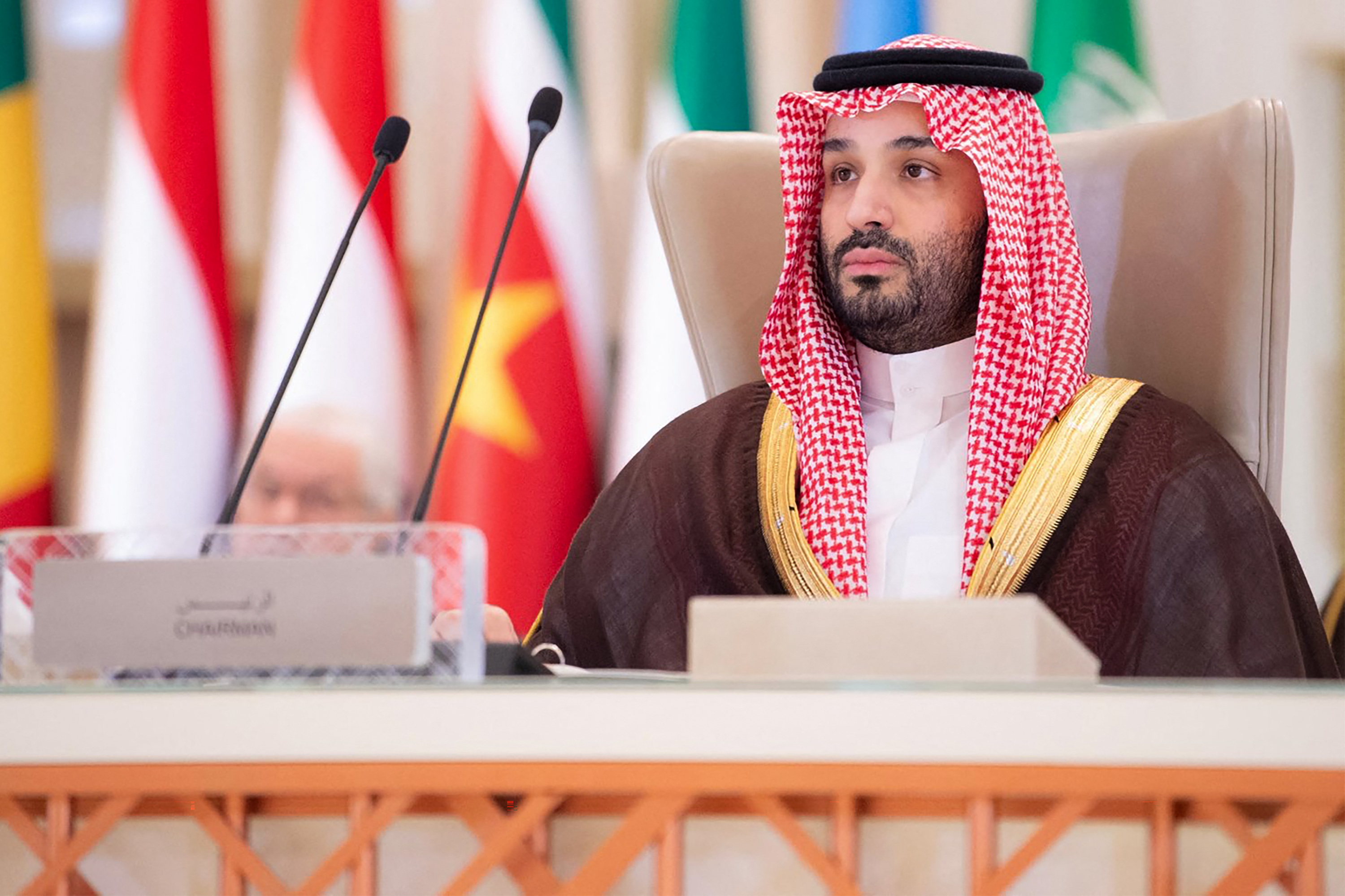
Saudi Crown Prince Mohammed bin Salman is scheduled to meet Turkish President Recep Tayyip Erdogan and Pakistani Prime Minister Shehbaz Sharif in the Red Sea city, according to sources close to the Saudi military and government. Pakistan’s army chief, Field Marshal Asim Munir, is also in the kingdom for the visit, highlighting the military dimension of the talks.
The agreement comes as Gulf states seek closer defence coordination following months of conflict with Iran that disrupted shipping through the Strait of Hormuz and the Red Sea and heightened security concerns across the region.
The diplomatic initiative coincides with renewed violence in Yemen, where Iran-backed Houthi forces killed at least 58 Saudi-backed government troops in one of the deadliest days of the country’s civil war in four years. The Houthis said they launched ballistic missile and drone strikes against government positions in response to what they described as a Saudi-backed military buildup.
The fighting also spilled across the Saudi border, where the kingdom’s military said Houthi attacks in the southern Najran region wounded 11 civilians, including a four-year-old child.
Energy markets remained on edge as Brent crude climbed above $83 a barrel after Iran, working with Oman, proposed new rules for the Strait of Hormuz that would ban vessels deemed hostile and impose heavy fines on violators. The proposal follows Tehran’s review of legislation to prohibit US and Israeli vessels from using the strategic waterway, through which around one-fifth of global oil and liquefied natural gas shipments passed before the war.
Meanwhile, diplomatic efforts elsewhere in the region showed limited progress. Talks in Rome ended without agreement after Israel refused to withdraw from additional areas of southern Lebanon, insisting the Lebanese army must first establish full control over two initial “pilot zones.”
US President Donald Trump said he believed the war with Iran would end soon, even as military confrontations and geopolitical tensions continued to reverberate across the Middle East.