
TEHRAN, IRAN – Iran on Saturday accused the United States of seeking to gain concessions in nuclear talks aimed at restoring the 2015 agreement, by supporting protests over Mahsa Amini’s death.
The Islamic republic has been rocked by demonstrations that flared over the death of the 22-year-old Amini on September 16 after her arrest for allegedly violating the country’s strict dress code for women.
The street violence has led to dozens of deaths, mostly among protesters but also among the security forces and hundreds of demonstrators have been arrested.
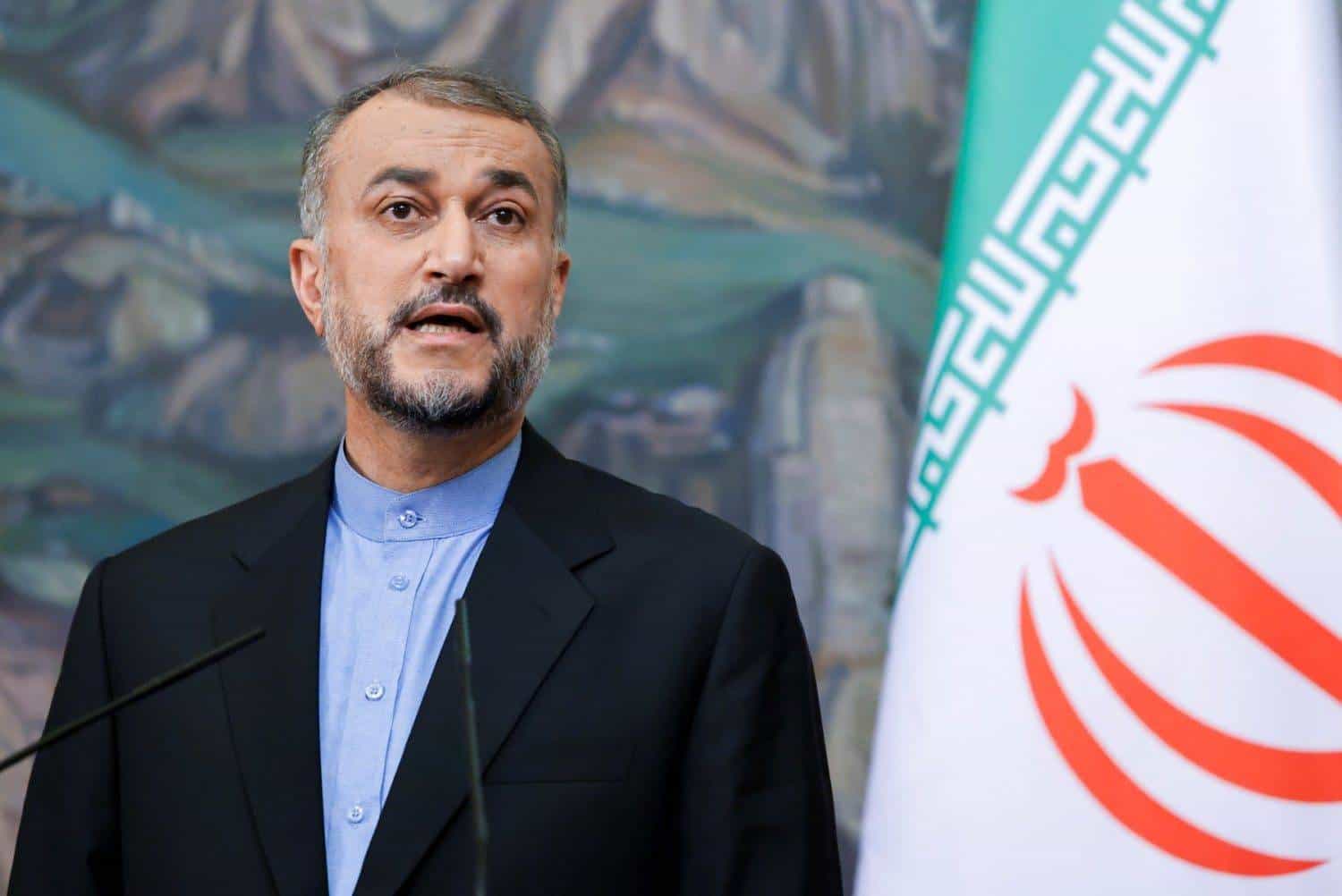
“The Americans continue to exchange messages with us, but they are trying to fan the flames of what has been going on inside Iran in recent days,” Iranian Foreign Minister Hossein Amir-Abdollahian said during a visit to Armenia, in a video posted by the ministry.
“I think they are looking to exert political and psychological pressure on Iran to obtain concessions in the negotiations,” he added, referring to the indirect talks between Tehran and Washington mediated by the European Union.
“We will not make any concessions to the American side; we will move within the framework of logic and within the framework of an agreement that respects the red lines of the Islamic republic of Iran,” Amir-Abdollahian said.
The 2015 agreement, known formally as the Joint Comprehensive Plan of Action (JCPOA), gave Iran sanctions relief in return for restricting its nuclear program.
It has been on life support since then-president Donald Trump withdrew the United States from it in 2018, but on-off talks have taken place since April 2021 in an effort to revive it.
The US and other Western parties to the deal have imposed fresh sanctions on Iran over its reaction to the Amini protests.
Washington said earlier this month that a return to the deal was unlikely in the near future.
“It’s not that we don’t want to see the JCPOA reimplemented, we of course do. We’re just not in a position where… that’s a likely outcome anytime in the near future,” White House spokesman John Kirby told reporters on October 13.
The US is currently “focused” on authorities in Iran being “accountable for what they are doing” to the protesters.
Amir-Abdollahian, however, argued that Washington’s “words contradict its behavior”, adding that the “Americans not only prioritize negotiations, but are also in a hurry”.