
Dubai, UAE — Iran has launched retaliatory attacks against US military positions in Jordan and the UAE after the US struck Larak Island in the Strait of Hormuz.
Iran’s Foreign Ministry said its armed forces attacked US bases in Jordan because they had been used to launch and support the Larak operation, which Tehran said killed and wounded Iranian forces and civilians.
The IRGC said it launched missile and drone attacks against two bases hosting US forces in Jordan, while Jordan said it intercepted eight missiles over its airspace.
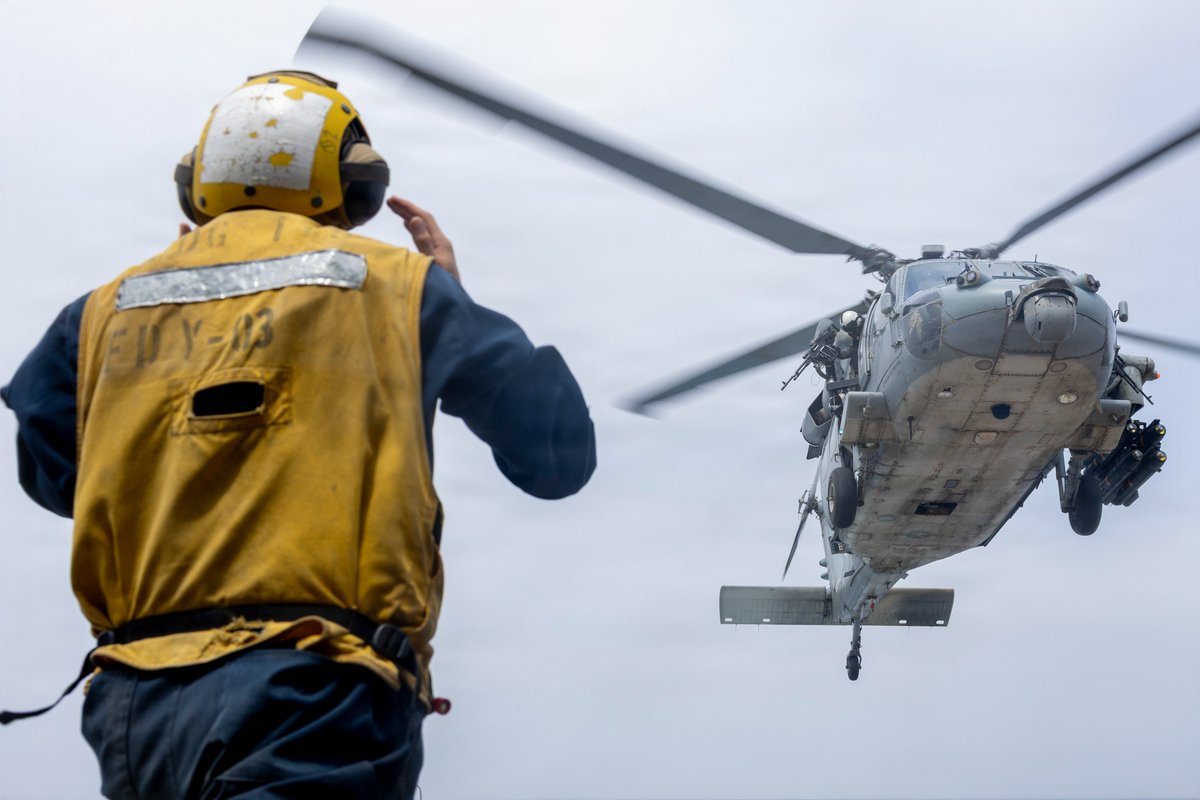
Iran’s army also said it launched dozens of drones at the Al Minhad airbase in the UAE, targeting locations where US forces and helicopters were stationed.
A US official told Al Jazeera that US forces intercepted Iran’s retaliatory missiles targeting Jordan. No casualties have so far been reported by either side in the attacks on the bases.
Jordan becomes a political target
Retired US senior naval officer Harlan Ullman said Iran’s decision to target Jordan was a “political statement”, regardless of any damage inflicted on US forces there.
He said Tehran was signalling to Jordan that it was a target, noting that Iran had chosen Jordan over other locations hosting US bases, including the UAE and Qatar.
Jordan hosts about 4,000 US personnel at the Azraq and King Hussein airbases, alongside drones, fighter jets and Patriot air defences. The country has been repeatedly drawn into the conflict, with missiles exchanged between Israel and Iran crossing its airspace.
Why the US struck Larak Island
US Central Command said its forces carried out “limited, precise action” against IRGC forces on Larak Island that it said posed an imminent threat in the Strait of Hormuz.
CENTCOM said the operation targeted Iranian “minelaying forces”, arguing that Iran had created a threat to civilian mariners, commercial shipping and global commerce.
Analysts said Larak is strategically important because of its position in Iran’s monitoring and surveillance of the Strait of Hormuz. Sina Azodi of George Washington University said Washington was seeking to degrade Iran’s ability to monitor ships passing through the waterway as well as its ability to strike them.
Former US Defense Department official David Des Roches told Al Jazeera that Iranian Fajr-5 rockets could potentially be used to lay naval mines along the strait’s southern route.
Hormuz disruption deepens
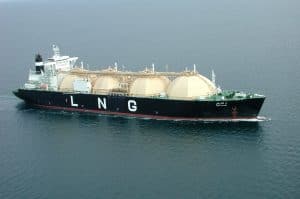
The latest escalation comes as uncertainty over the safety of the Strait of Hormuz continues to disrupt shipping.
Visible commodity vessels crossing the strait fell to five per day over the weekend, although the actual number could be higher because some ships have switched off their automatic identification systems to avoid attacks. UK Maritime Trade Operations also reported a delayed account of a tanker being struck while transiting the waterway.
Des Roches said Iran only needs to create uncertainty for maritime insurers to raise rates to potentially prohibitive levels, while Ullman warned that even uncertainty over mines could disrupt shipping.
Before the war began in late February, nearly 20 percent of global oil transited through the strait.
Oil rises as escalation returns
Oil prices rose more than 1 percent after the US strike on Larak Island and Iran’s retaliation against bases hosting American troops in Jordan.
Brent crude futures rose $1.08, or 1.23 percent, to $89.18 a barrel, while West Texas Intermediate climbed 92 cents, or 1.10 percent, to $84.32 as of 00:40 GMT.
The escalation is also affecting Asian aviation. China’s three largest state-owned airlines reported combined first-half net losses of about 8.2 billion yuan ($1.22 billion), with fuel costs rising 35 percent to 38 percent and disrupted international routes weighing on results.
Diplomacy faces renewed pressure
The latest exchanges threaten diplomatic efforts to contain the conflict after talks had already lost momentum.
An Al Jazeera correspondent in Washington said US diplomats had been working with intermediaries and other countries to find a diplomatic off-ramp, making the latest escalation precisely the scenario they had sought to avoid.
Iranian President Masoud Pezeshkian said Tehran was “not looking for war” but would not remain passive in the face of aggression. He warned that regional instability would affect all countries.
Meanwhile, US Treasury Secretary Scott Bessent said Washington planned to sanction another bank over transactions involving Iran, signalling that economic pressure would continue alongside military action.