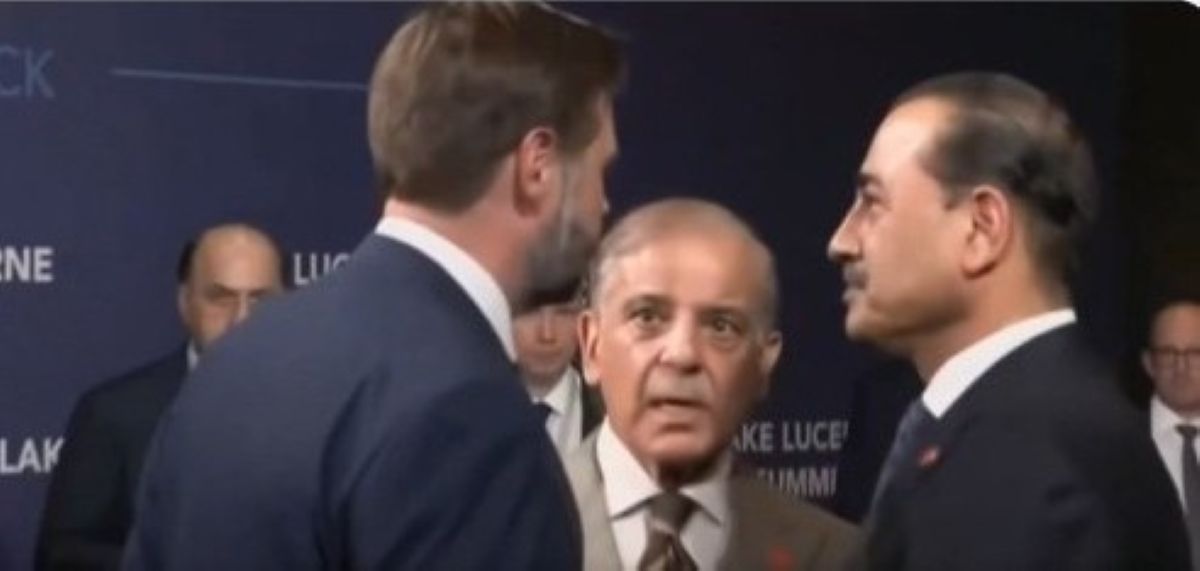

Dubai, UAE — High-level talks between the United States and Iran aimed at converting a 60-day pause in hostilities into a broader peace framework concluded early on Monday with what mediators described as encouraging progress, including agreements on mechanisms to prevent escalation in Lebanon and maintain security in the Strait of Hormuz.
Qatar and Pakistan, which mediated the negotiations at a lakeside resort in Switzerland, said in a joint statement that Washington and Tehran had agreed to establish a “de-confliction cell” intended to ensure military operations cease in Lebanon, where fighting between Israel and the Iran-backed Hezbollah movement has continued for months.
The mediators also announced the creation of a direct communication channel designed to prevent misunderstandings and reduce the risk of escalation around the Strait of Hormuz, one of the world’s most critical oil shipping routes.
The talks began on Sunday and ended shortly after 3 a.m. local time on Monday.
Iranian Foreign Minister Abbas Araghchi said on social media that “major progress” had been achieved toward ending the conflict in Lebanon but cautioned that the effectiveness of the newly established de-confliction mechanism would be the first significant test of the negotiations.
“The first real test: Lebanon deconfliction cell,” Araghchi wrote.
Lebanon at center of discussions
According to Iranian state media, Tehran’s delegation insisted that progress toward ending the conflict between Israel and Hezbollah was essential for broader diplomatic advances.
Iranian negotiators reportedly focused heavily on Lebanon during the discussions, while talks on Tehran’s nuclear programme were largely deferred.
It remained unclear on Monday morning whether additional meetings between U.S. and Iranian officials would take place in Switzerland.
The official said key agenda items included preserving freedom of navigation through the Strait of Hormuz and strengthening mechanisms to enforce the ceasefire in Lebanon.
Trump remarks add tension
The negotiations took place amid renewed rhetoric from U.S. President Donald Trump, who signalled a tougher stance despite Vice President JD Vance expressing hopes at the opening of talks that Washington and Tehran could “turn over a new leaf.”
In an interview with Fox News, Trump said he could do “whatever I want” once the 60-day pause expires and warned Iranian President Masoud Pezeshkian, who has maintained Tehran’s right to enrich uranium, that he had “better watch his mouth.”
Iranian negotiator Mohammad Bagher Ghalibaf responded on social media by warning Washington against threats and saying Iran’s armed forces were prepared to react if necessary.
“No matter how much they talk, it is we who act,” he wrote.
Sanctions, nuclear issues remain unresolved
Iranian state media reported that sanctions relief, particularly measures affecting the country’s oil industry, was also discussed during the Swiss meetings.
Hamid Bovard, head of Iran’s national oil company, said discussions touched on the removal of restrictions affecting Iran’s oil sector and related industries.
However, Iranian reports indicated that substantive negotiations on the future of Iran’s nuclear programme did not take place during the first round of talks, suggesting one of the most contentious issues remains unresolved.
The Swiss meeting marked the first formal session in a diplomatic process intended to transform the temporary U.S.-Iran understanding into a broader and more durable regional peace agreement.