
Asian imports of refined fuels fell to an estimated 5.10 million barrels per day in August, from 5.61 million bpd in July, according to Kpler data cited by Reuters. The three-month average before the US and Israel began attacking Iran in February was 7.06 million bpd.
The decline reflects disruptions to Gulf supplies, with Iranian attacks in the Strait of Hormuz and a shortage of vessels available for Asian shipments constraining flows.
Hormuz traffic remains depressed
Only five vessels transited the Strait of Hormuz, according to preliminary Kpler tracking data cited by Reuters, compared with a 10-day average of about 14.
Four vessels entered the waterway and one exited. The figures exclude ships travelling with their transponders switched off.
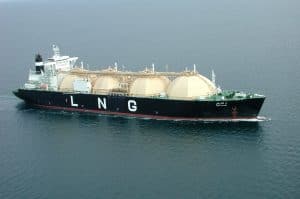
No liquid tankers were recorded among Monday’s transits. One empty gas tanker entered through the Iranian route, while three laden dry bulk carriers also entered.
US seeks to keep commerce moving
US Vice President JD Vance said Washington’s priority during the latest phase of the conflict was ensuring the free flow of commerce through Hormuz.
Vance said a US strike on Larak Island on Sunday was intended to prevent Iran from laying mines in the waterway. He accused Tehran of trying to restrict oil and gas exports.
The latest US action came after Iranian strikes on US-linked positions in the region.
Iran warns of further retaliation
Iran asked the UN Security Council to intervene after the US strike on Larak Island, saying the attack killed and wounded soldiers and civilians.
In a letter to UN Secretary-General Antonio Guterres, Iran’s deputy permanent representative, Gholamhossein Darzi, described the strike as a violation of Iranian sovereignty and territorial integrity.
Iran said its strikes on US bases in Jordan were acts of self-defence and warned that it would respond to further attacks.
Pressure mounts on Tehran
Former US National Security Adviser John Bolton called the US blockade of Iranian oil an “enormous win” and urged Washington to maintain the pressure.
Bolton said the blockade was restricting Iran’s exports of oil and other commodities, while identifying China as a key challenge to Washington’s sanctions campaign.
The comments came as the Trump administration intensified economic pressure on Tehran alongside military action.