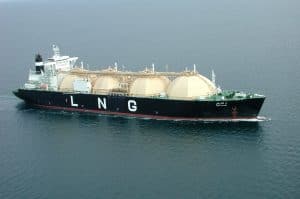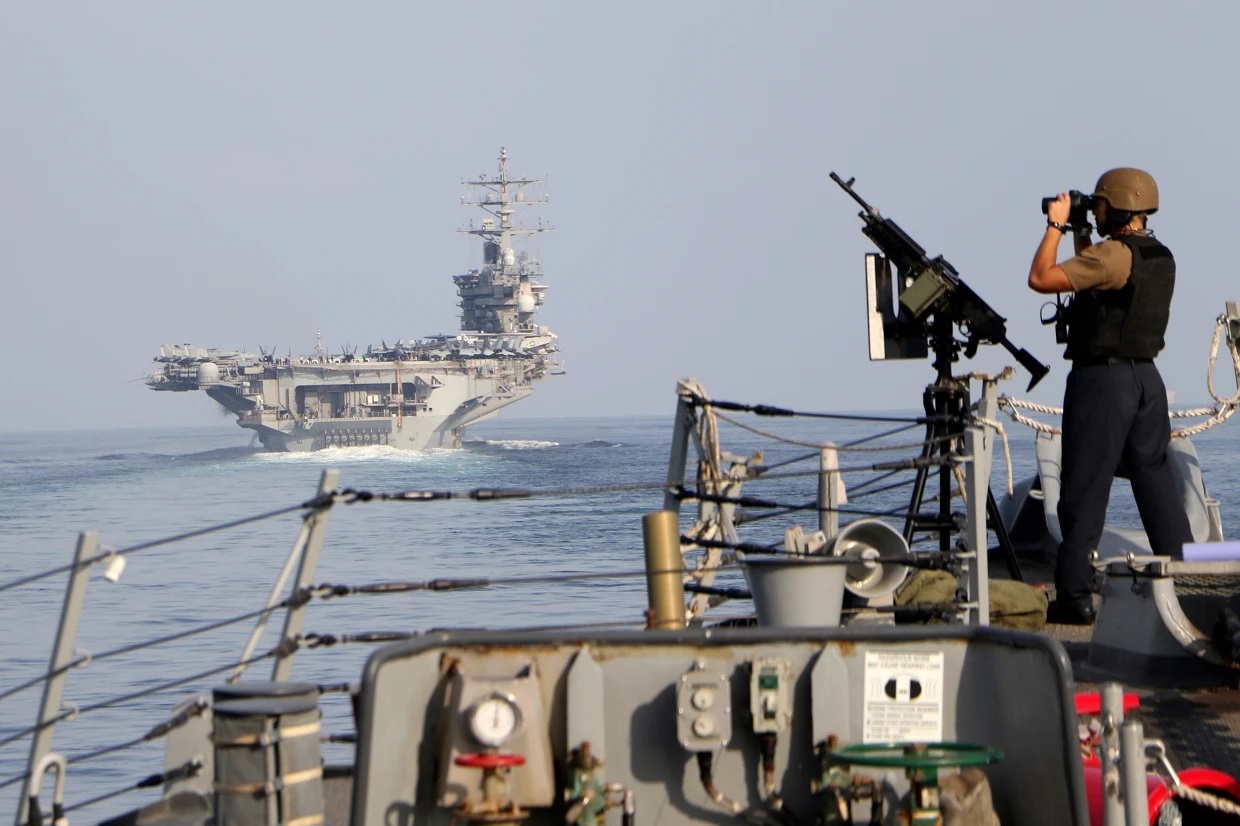

Iranian forces have been carrying out operations every night against vessels considered to be violating Tehran’s rules in the Strait of Hormuz, an Islamic Revolutionary Guard Corps (IRGC) Navy official said.
Ali Mohammadi, the IRGC Navy’s political deputy, told Iran’s Fars news agency that the force had maintained “complete and absolute” surveillance of the strait since the first day of the war and would continue offensive and defensive operations.
Mohammadi said Iranian forces could impose their will at any point on vessels they considered to be in violation. He also accused the United States of creating insecurity in the Gulf and the wider region.
He rejected figures cited by US President Donald Trump and media outlets suggesting that three million to eight million barrels of oil were passing through the strait, describing the estimates as speculation intended to lower prices and influence markets.
Iranian media also reported “massive explosions” in the southern Strait of Hormuz. Fars, citing unnamed military sources, said tankers using unauthorised routes may have struck sea mines. The reports could not be independently verified from the available information.
Tehran weighs US proposal while defending nuclear programme
Iran is weighing Washington’s latest proposal while signalling that it will not abandon its nuclear programme or preparations for a prolonged conflict.
Foreign Minister Abbas Araghchi said Tehran would respond to US proposals within the “next few days” and that negotiations were continuing through mediators. He said Iran had presented its seven-day plan and was reviewing Washington’s position.
Iran’s atomic energy chief, Mohammad Eslami, said the country would not give up uranium enrichment or hand over its stockpiles. He described enrichment as an “inseparable part” of the nuclear process and rejected US demands as “deception and lies”.
Iran’s Defence Ministry said weapons production had risen to 2.5 times pre-war levels, adding that the country’s capacity was sufficient to sustain a prolonged war.
Trump has said Washington was having “productive discussions” with Iran and pledged not to attack the country before the November 3 US midterm elections.
Putin offers to help end conflict
Russian President Vladimir Putin offered to help end the war during a meeting with Iranian President Masoud Pezeshkian in Turkmenistan.
Putin said Moscow was ready to do everything in its power to contribute to a settlement and described Iran as making genuine efforts to end the US-Israeli war.
Pezeshkian said Tehran would not walk away from diplomatic efforts, although he accused Washington of launching new attacks whenever the two sides engaged in talks.
The meeting took place ahead of a summit of the Commonwealth of Independent States.
US senators debate war costs and Israel ties
The war has emerged as a prominent issue in US Senate campaigns ahead of the November 3 midterm elections.
In Michigan, Democratic candidate Abdul El-Sayed blamed the conflict for high gasoline prices and inflation, arguing that the Trump administration’s actions had contributed to Iran’s closure of the Strait of Hormuz. He also said he would oppose sending US weapons to Israel, including defensive weapons if it came under attack.
His Republican opponent, Mike Rogers, defended Israel’s right to protect itself.
Separately, Democratic Senator Chris Murphy accused the Pentagon of attempting to conceal the costs and failures of the war after officials denied him access to US military facilities in the region. Murphy said damage to the US embassy was extensive.
The USS Abraham Lincoln returned to San Diego on October 8 after a 321-day deployment supporting US military operations in the Middle East.
Oil prices rise as supply concerns persist
Global shares fell on Thursday as oil prices climbed amid concerns about the war and potential supply disruptions.
Brent crude settled at $104.28 a barrel, up $4.08, or 4.1%, while US West Texas Intermediate crude settled at $91.49.
The market moves reflected concerns about the conflict with Iran and the risk of further disruption to shipping through the Strait of Hormuz, a critical route for global energy supplies.
The US Treasury also imposed sanctions on 27 companies, six individuals and 22 vessels over Iranian oil sales.
With Tehran reviewing Washington’s proposal while maintaining its nuclear and military positions, diplomatic efforts continue alongside tensions over shipping and energy supplies.