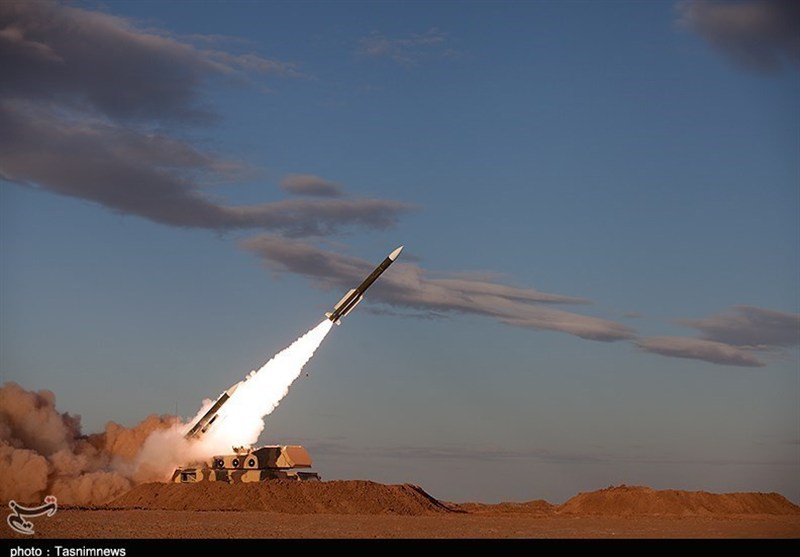

Dubai, UAE — Fresh exchanges of missile and air strikes between Israel and Iran have renewed fears of a broader Middle East conflict, threatening to unravel fragile diplomatic efforts aimed at containing months of regional violence.
Israeli forces launched strikes against military targets in western and central Iran early on Monday, hours after Iran fired missiles toward Israeli territory. Air raid alerts sounded across Israel, explosions were reported over Jerusalem, and Iranian state media reported blasts in Tehran, Tabriz and Isfahan. Israel’s military said its air defence systems were intercepting multiple waves of incoming missiles, while Tehran framed its actions as retaliation for recent Israeli attacks.
The latest escalation adds to growing concerns that the region could be drawn back into a wider confrontation despite ongoing mediation efforts involving the United States and regional powers.
Lebanon ceasefire efforts under strain
The renewed Israel-Iran exchanges come as fighting in Lebanon shows little sign of easing despite fresh US-backed attempts to reinforce a ceasefire between Israel and Hezbollah.
Israeli strikes in southern Lebanon this week killed at least 12 people, including Lebanese army Brigadier General Wassam Sabra, Captain Elie Khoury and soldier Hussein Ghozal. Lebanon accused Israel of undermining efforts to stabilise the border region, while Israel said the incident occurred in an active combat zone and remained under investigation.
The violence has complicated attempts to consolidate a conditional truce brokered by Washington after repeated violations of the April ceasefire. Hezbollah has rejected the latest arrangement, arguing that it fails to address ongoing Israeli military operations in southern Lebanon.
Diplomacy faces fresh obstacles
The deteriorating security situation has also weighed on broader negotiations linked to the nearly 100-day-old US-Iran conflict. Talks remain stalled over sanctions relief, security guarantees and regional flashpoints, including Lebanon.
Lebanese army chief General Rudolf Haykal travelled to Pakistan over the weekend for discussions linked to mediation efforts involving Islamabad, which has emerged as a channel for communication between Washington and Tehran.
Regional tensions have also spread beyond Israel, Iran and Lebanon. Iran recently launched missiles and drones toward Bahrain and Kuwait following US strikes on Iranian coastal radar facilities, further testing already fragile understandings between Washington and Tehran.
Economic concerns deepen
The conflict’s impact is increasingly being felt beyond the battlefield. The UN World Food Programme has warned that disruptions linked to instability around the Strait of Hormuz are pushing up fuel and food prices and worsening global food insecurity.
The agency said prolonged regional instability could leave millions more people vulnerable to hunger while increasing costs for humanitarian operations already facing significant funding pressures.