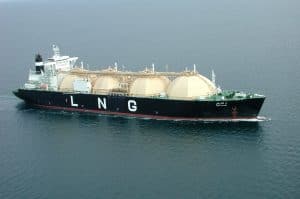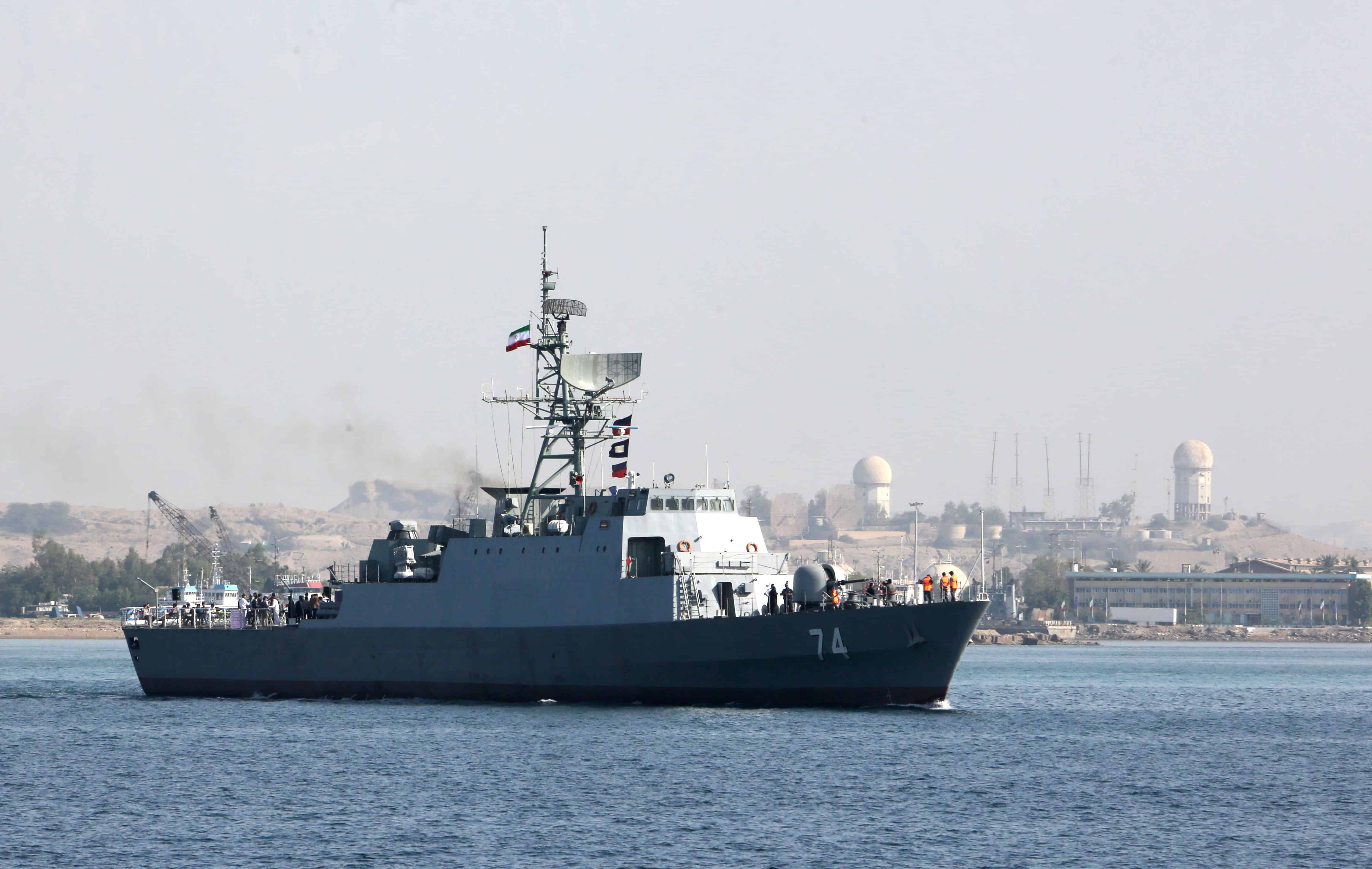

A commercial oil tanker caught fire off the coast of Oman on Monday after being struck by what US officials described as Iranian missiles, reigniting tensions in the Strait of Hormuz and threatening to destabilise one of the world’s most important maritime trade routes.
Two US officials told Axios that Iran’s military fired at least two missiles at commercial ships transiting the strait, with one tanker catching fire after being hit by what was initially described as an “unknown projectile”. The officials said a second vessel was also struck and that both ships sustained significant damage, although there were no reported casualties.
The attack comes days after Washington and Tehran exchanged tit-for-tat military strikes following earlier confrontations over commercial shipping in the Gulf. The latest incident also follows weeks of escalating tensions over a US-backed maritime corridor through Omani territorial waters, a route Iran has repeatedly rejected.
Iranian state broadcaster IRIB, citing unnamed sources, claimed the targeted tanker had been attempting to transit the Strait of Hormuz via the southern Omani route “with the support of the US Navy”. According to the report, the vessel was attacked after ignoring repeated warnings. The broadcaster noted, however, that no Iranian official had confirmed or denied the account.
Tehran has consistently opposed the southern shipping corridor announced by Oman, the United States and the United Nations, insisting that all commercial traffic through the Strait of Hormuz must be coordinated with Iran’s military. Iranian officials argue that a June 17 memorandum governing the end of earlier hostilities gives Tehran sole responsibility for managing navigation through the strategic waterway.
Although the latest attack renewed concerns over energy supplies, the reaction in oil markets remained measured. Brent crude rose 0.39 percent to $72.29 a barrel, while US West Texas Intermediate gained 0.26 percent to $68.84 as traders weighed geopolitical risks against expectations of higher global supply.
Gaza ceasefire remains fragile
Elsewhere, attention remained focused on Gaza, where Hamas said it was dissolving its governing body and preparing to transfer authority to a UN-backed Palestinian technocratic committee under arrangements linked to last year’s US-brokered ceasefire.
Despite the truce, Israel has continued near-daily military operations in Gaza, with more than 1,000 Palestinians reported killed since the ceasefire took effect. Humanitarian conditions remain dire, with most of Gaza’s population displaced into overcrowded camps and facing severe shortages of food, healthcare and basic services.
Hamas has refused to disarm, arguing that Israel continues to violate the ceasefire, while the technocratic committee established in January has yet to enter Gaza. An international stabilisation force has meanwhile begun preparations for deployment between Israeli- and Palestinian-controlled areas.
US lawmaker urges release of Gaza hospital director
In Washington, Democratic Congresswoman Delia Ramirez called for the release of Dr Hussam Abu Safia, director of Gaza’s Kamal Adwan Hospital, who has been detained by Israeli forces since December 2024.
Ramirez said Abu Safia had been held without charge for 18 months and cited reports that he was in critical condition after suffering beatings in detention. She also renewed support for legislation aimed at restricting US transfers of offensive weapons to Israel.
Lebanon prepares for White House talks
In Lebanon, President Joseph Aoun said he expects to visit the White House before the end of July for talks with US President Donald Trump aimed at advancing a framework agreement with Israel.
Aoun acknowledged the proposed arrangement was “not ideal” but said it reflected current realities in southern Lebanon. He outlined plans for phased deployments of the Lebanese army into areas currently affected by Israeli military operations and said Beirut had sought US guarantees that strategically important positions would remain under Lebanese control.
He also defended Lebanon’s decision to send an official representative to the funeral of Iran’s late supreme leader, saying diplomatic relations with Tehran remained intact.
Israeli strikes continue in southern Lebanon
Military activity also continued along the Israel-Lebanon border.
Israeli drone strikes killed four civilians, including school principal Esperanza Ghandour, in Nabatieh al-Fawqa, while additional air strikes and artillery shelling targeted several towns across southern Lebanon, including Haddatha, Beit Yahoun, Qantara and Houla.
Separate reports said more than 600,000 Lebanese remain unable to return to their homes because of continuing Israeli military operations, with reconstruction costs estimated at more than $1 billion.
EU weighs action against Israeli settlements
Meanwhile, the European Commission is expected to present options this week for possible trade measures targeting goods produced in Israeli settlements ahead of a meeting of EU trade ministers.
The discussion follows requests from several EU member states and foreign policy chief Kaja Kallas to examine potential measures against settlement products, which the bloc considers illegal under international law. Israel’s trade with the European Union exceeds €43 billion annually, making the bloc its largest trading partner.
Separately, Palestinian Foreign Minister Farsin Aghabekian Shahin urged Britain to adopt tougher measures against Israel during talks in London, including comprehensive sanctions on settlements and a ban on settlement goods entering the UK market.