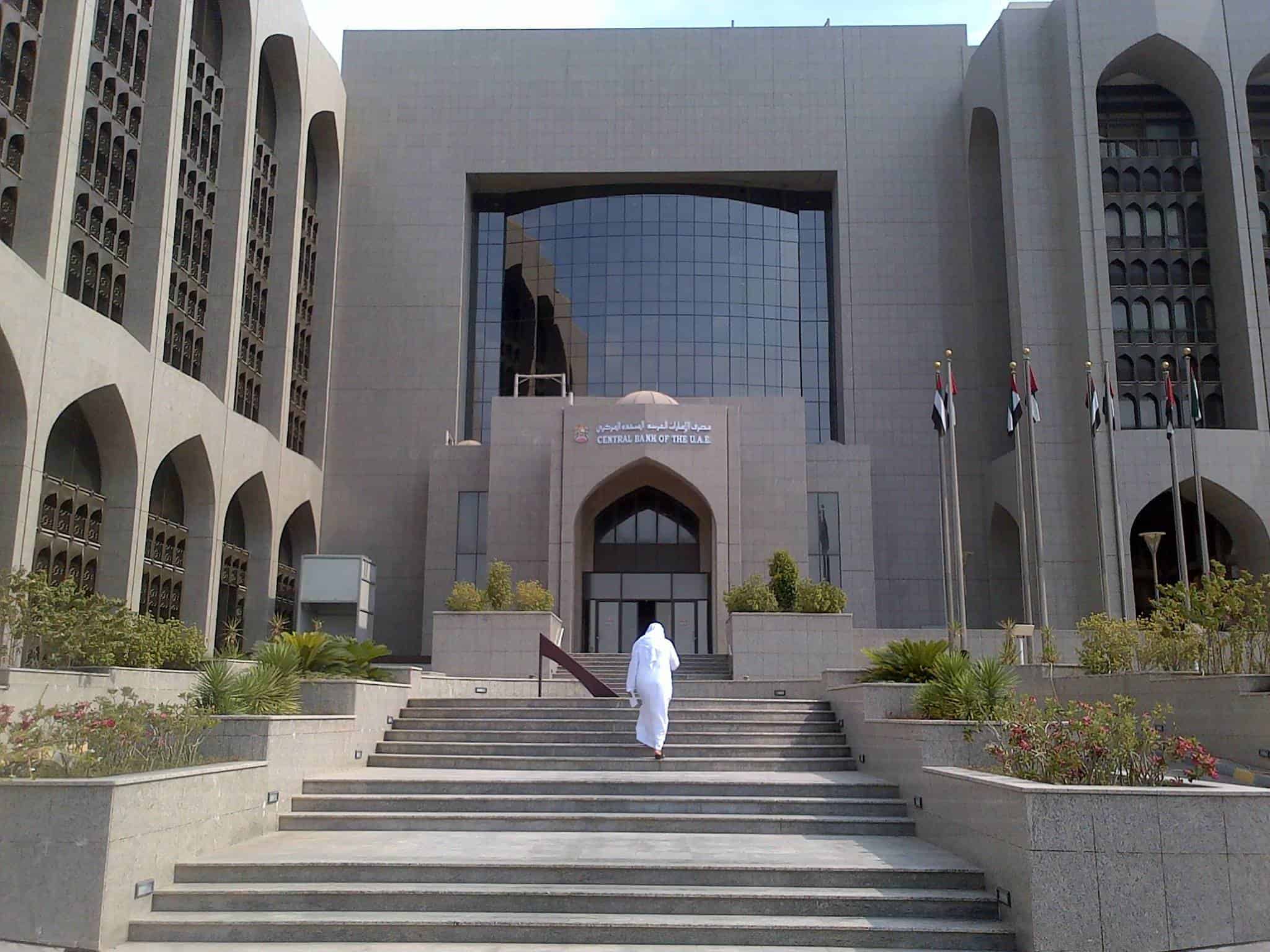

Dubai, UAE— A few hours after the Federal Reserve raised its key policy rate by three-quarters of a percentage point for the fourth straight time, many Gulf states followed suit, raising their key interest rates.
The United Arab Emirates and Saudi Arabia, the region’s two largest economies, both increased rates by 75 basis points. The Saudi central bank, also known as SAMA, lifted its repo and reverse repo rates to 4.5% and 4%, respectively.
The UAE’s base rate will rise to 3.9%, effective on Thursday.
Bahrain also raised its main rate by 75 basis points while Qatar increased rates by between 50 and 75 basis points. Kuwait and Oman did not immediately announce any rate changes.
The impact of higher interest rates among Gulf oil exporters in 2022 has so far been limited.
“The GCC economies have seen strong non-oil sector performances this year despite the rate hikes,” said Monica Malik, chief economist at Abu Dhabi Commercial Bank.
“We expect some greater headwinds next year as the rate increases are further passed on, though progress with medium-term development plans should support activity.”
A senior IMF official said earlier this week that higher oil prices are likely to lead to fiscal surpluses and growing foreign reserves for Gulf economies this year, which will reduce the need for governments to borrow and to crowd out the private sector.