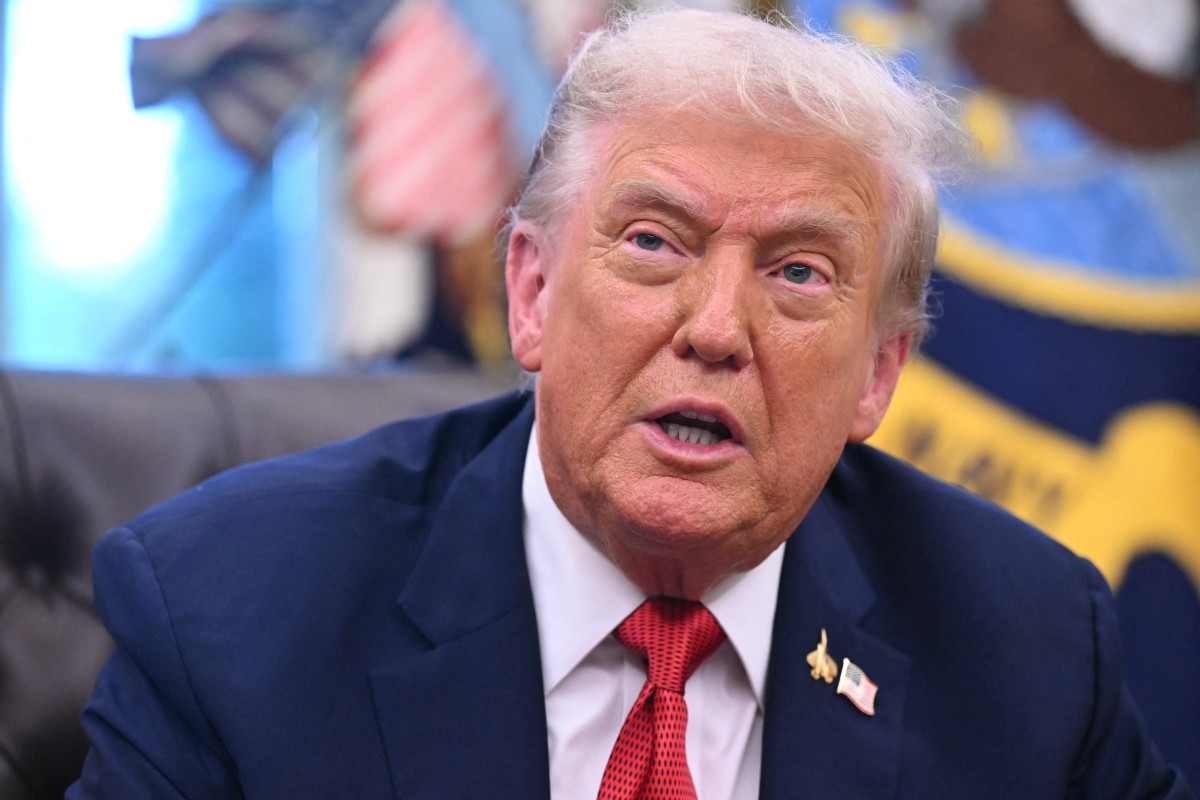

Dubai, UAE — U.S. President Donald Trump said a deal to end the West Asia war is scheduled to be signed on Sunday, adding that the strategic Strait of Hormuz would reopen to all shipping immediately after the agreement takes effect.
“The deal is scheduled to get signed tomorrow, and immediately after it is signed, the Hormuz Strait is open to all,” Trump said in a social media post on Saturday. He added that Washington’s relationship with Tehran would be “much different and better” than under previous administrations.
Trump also said the United States would seek to recover Iran’s highly enriched uranium at a later stage, though he provided no further details.
His comments came as mediators and officials from both sides signalled increasing confidence that negotiations were approaching a conclusion after weeks of conflict and intermittent talks.
Tehran avoids committing to signing date
Iran struck a more cautious tone on the timing of any agreement.
Foreign Ministry spokesman Esmaeil Baqaei said a signing date had not yet been determined and indicated an accord would not be signed on Sunday. However, he said an agreement in the coming days remained possible.
Despite the growing optimism, Washington and Tehran have offered differing accounts of the proposed deal’s contents, with both sides seeking to portray the outcome as favourable to their own strategic objectives.
Pakistan says agreement closer than ever
Pakistan, which has played a mediating role in the negotiations, said a breakthrough could be imminent.
Prime Minister Shehbaz Sharif said on X that the agreement was closer “than ever before” and expected to be finalised within 24 hours. He said the deal would be signed electronically but did not elaborate on the process.
Iranian hardliners protest negotiations
Opposition to the proposed agreement surfaced in Iran, where dozens of demonstrators gathered outside a Foreign Ministry office in the northeastern city of Mashhad.
Protesters criticised Foreign Minister Abbas Araghchi after a televised interview in which he discussed prospects for a peace deal. Hardline figures have argued that an agreement could weaken Tehran’s leverage over the Strait of Hormuz and accused negotiators of making excessive concessions.
Regional tensions persist
Despite progress in diplomacy, hostilities continued elsewhere in the region.
Israeli strikes were reported in southern Lebanon on Saturday after the Israeli military issued evacuation warnings for Nabatieh and more than 20 nearby locations ahead of planned operations.
Separately, sirens sounded in Jordan early on Sunday, according to state television, which did not provide further details.
Iranian state media also reported that funeral ceremonies for former Supreme Leader Ali Khamenei would take place between July 4 and July 9, as preparations continued amid expectations that a peace agreement could soon be reached.