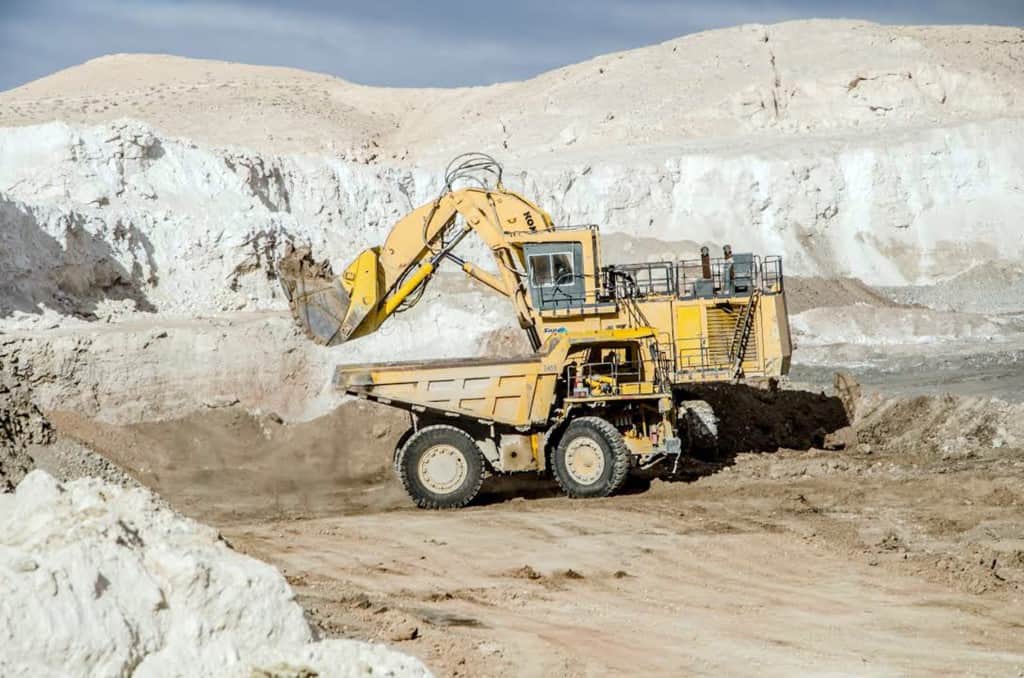

Tunis, Tunisia — President Kais Saied has called for the revival of Tunisia’s phosphate industry, suggesting he will seek alternative sources of revenue that would allow the country to do without a foreign bailout.
“Our gold is underground while the country is facing a difficult financial situation,” Saied told a meeting Wednesday night of the National Security Council, referring to phosphate reserves.
Saied has previously called for a revival of phosphate production, one of the North African country’s few natural resources often used for agricultural fertilizer.
Gafsa Phosphate Company (CPG), a former flagship of the Tunisian economy, has seen its production collapse since the 2011 revolution due to a lack of investment and bouts of social unrest.
Tunisia has endured years of mounting economic pain, made worse by the coronavirus pandemic and the fallout from Russia’s invasion of Ukraine.
The International Monetary Fund was originally expected to approve a $2 billion bailout deal on December 19, but that was delayed pending a Tunisian budget, which has since been passed, and a law to stop banks charging excessive interest.
The IMF has also called for legislation to restructure more than 100 state-owned firms, which hold monopolies over many parts of the economy and in many cases are heavily indebted.
“Regarding the IMF, foreign diktats that will lead to more poverty are unacceptable,” Saied told reporters on April 6.
Asked at the time what the alternatives are to a deal, Saied said Tunisians should “work on our own”.