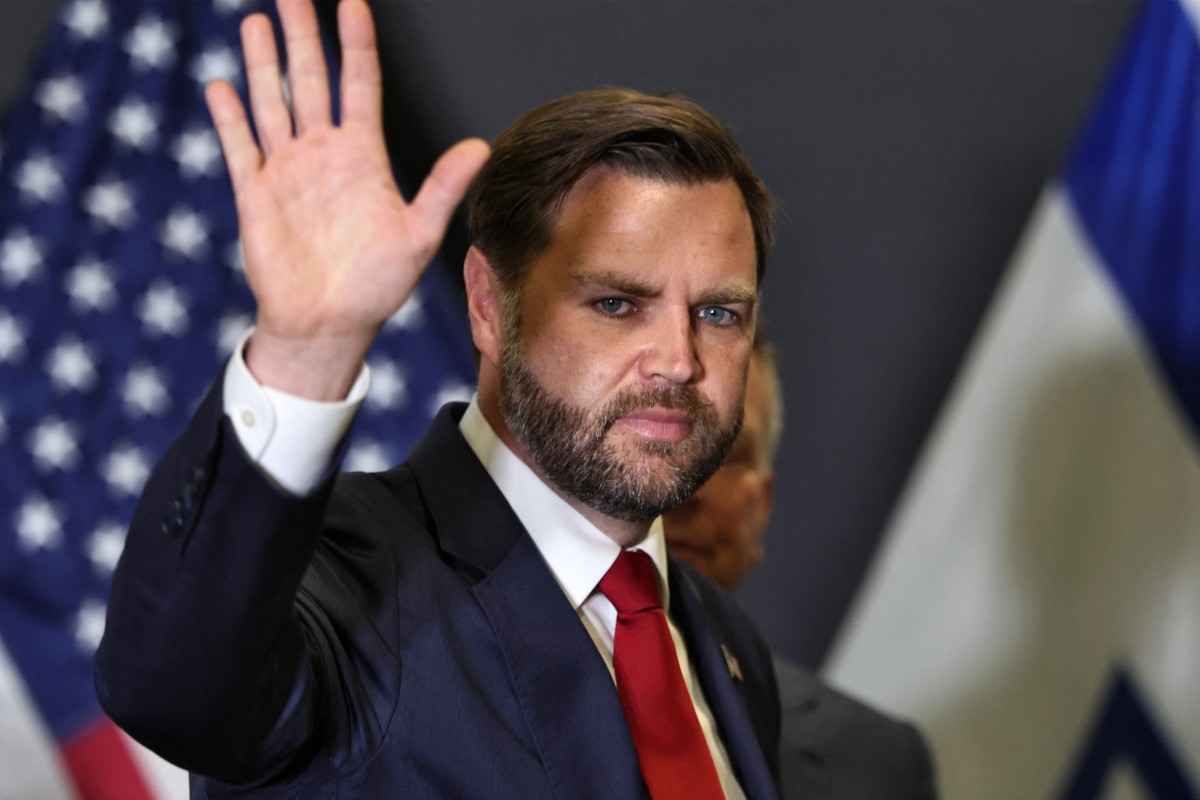

Dubai, UAE — U.S. Vice President JD Vance has postponed a planned trip to Switzerland for technical talks with Iran on implementing a framework agreement aimed at ending a three-month Middle East conflict, the White House said late on Thursday.
“The logistics of these negotiations have never been simple or predictable. As of now the Vice President is not departing tonight,” a White House spokesperson said. “We look forward to beginning technical talks as soon as possible.”
The talks were expected to follow a memorandum of understanding signed electronically on Wednesday by U.S. President Donald Trump and Iranian President Masoud Pezeshkian. The accord extended a ceasefire, reopened negotiations on Iran’s nuclear programme and laid the groundwork for discussions on sanctions relief and regional security arrangements.
The agreement, described by both sides as a framework rather than a final settlement, followed weeks of diplomacy after a conflict that disrupted energy markets, shut the Strait of Hormuz and triggered military exchanges across the region.
Pakistan Prime Minister Shehbaz Sharif had said Switzerland would host a ceremony on Friday to launch technical-level discussions, adding that Iran would reopen the Strait of Hormuz while the United States would lift its naval blockade of Iranian ports.
Nuclear inspections
As negotiators prepared for the next phase, U.S. special envoy Steve Witkoff told members of Congress that Iran would invite inspectors from the International Atomic Energy Agency (IAEA) to visit its nuclear facilities and begin efforts to identify the locations of enriched uranium stockpiles believed to be buried under rubble.
According to people familiar with the briefing, Witkoff said a side letter between Tehran and the IAEA would formalise the invitation and enable IAEA Director General Rafael Grossi to dispatch inspectors to Iran.
Witkoff also told lawmakers the agreement contained no undisclosed side arrangements and said implementation would focus on nuclear verification and confidence-building measures.
Under the framework, Tehran has agreed to dilute part of its enriched uranium stockpile while negotiators continue discussions on unresolved issues involving highly enriched uranium and longer-term nuclear restrictions.
Regional tensions persist
Despite the diplomatic breakthrough, violence continued elsewhere in the region.
Iran-backed Hezbollah said on Friday that its fighters had destroyed three Israeli Merkava tanks in southern Lebanon and that clashes were continuing. Lebanese state media earlier reported that Israeli strikes in the south had killed three people.
The fighting came a day after Washington and Tehran signed their agreement, which Trump has said should lead to a “complete ceasefire on all fronts”, including between Israel and Hezbollah.
Meanwhile, the Pentagon is seeking roughly $80 billion to cover costs associated with the Iran conflict and other expenditures, the Wall Street Journal reported, citing people familiar with discussions between Deputy Defense Secretary Stephen Feinberg and lawmakers.
The U.S.-Iran framework extends the ceasefire for 60 days and envisages negotiations toward a broader settlement that could include sanctions relief, nuclear restrictions and a proposed $300 billion reconstruction and development fund backed by private-sector investment.
Oil prices have fallen sharply since the agreement was announced as traders anticipated the reopening of the Strait of Hormuz and the gradual return of Iranian and Gulf crude exports to global markets.