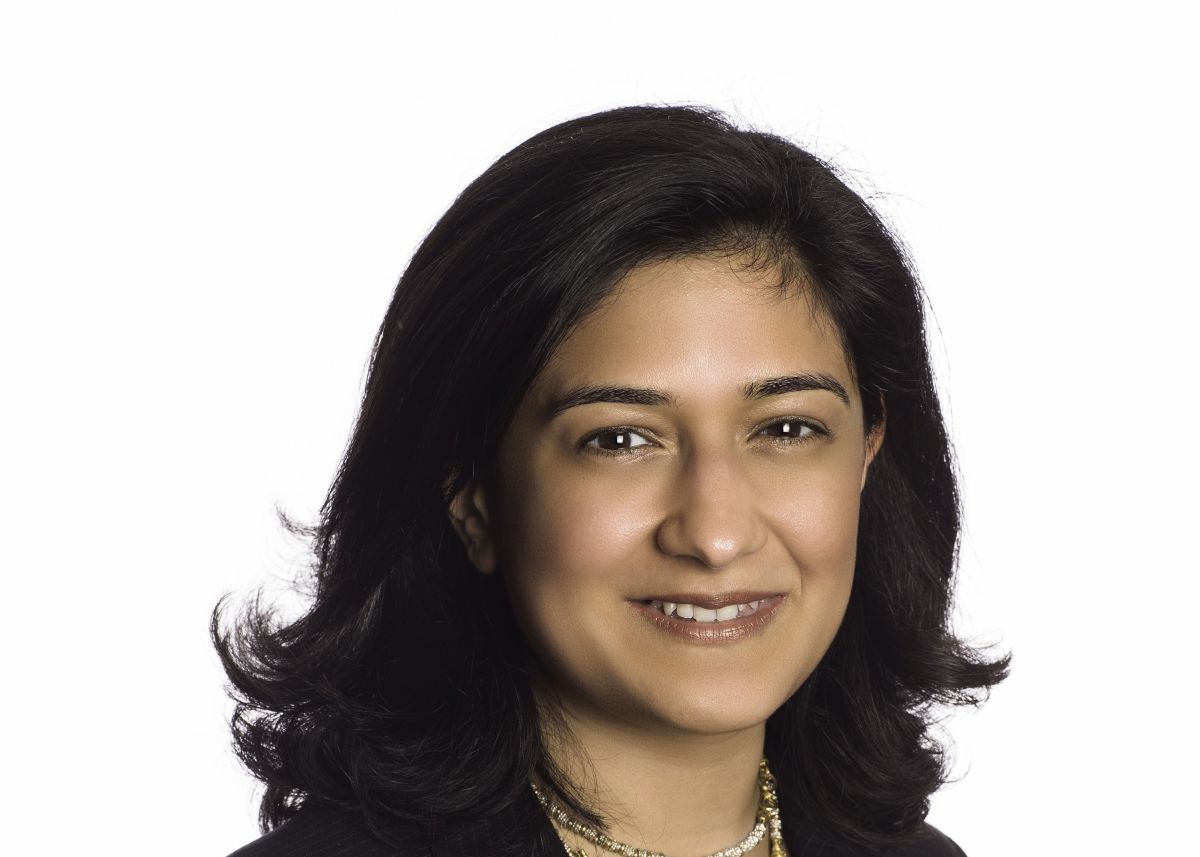
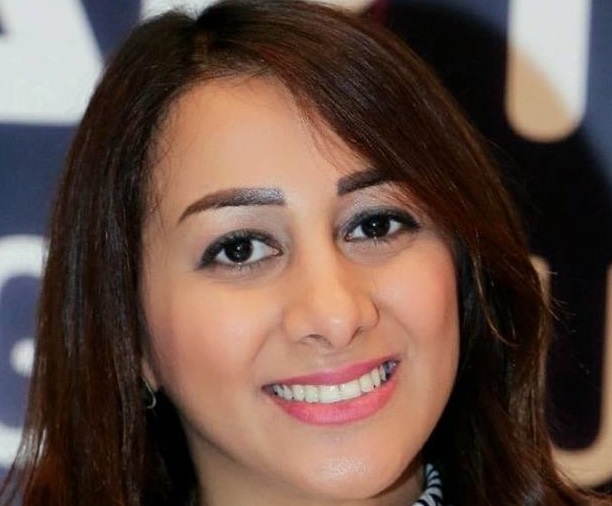
UAE is doubling down on developing homegrown talent as it accelerates efforts to build one of the world’s most competitive startup ecosystems. With national campaigns such as The Emirates: The Startup Capital of the World setting targets of training 10,000 Emiratis and creating 10 unicorns, the Sharjah Entrepreneurship Center (Sheraa) is emerging as a key engine driving this shift. “Adaptation to the digital economy comes through practice, not theory,” says HE Najla Al Midfa, Vice-Chairperson of Sheraa, in a conversation with Hadeel Karnib of TRENDS.
How does Sheraa’s support for purpose-driven startups translate into wider knowledge creation?
Purpose-driven founders begin with a simple question: what does my community need? In answering it, they produce insights that extend far beyond their own ventures.
Across Sheraa, founders working in sustainability, accessibility, education, creative industries, and digital health are generating new data, new methods, and new models that inform policymakers, researchers, and industry leaders. Their collective impact demonstrates how purpose accelerates both innovation and economic value.
Eshara is a strong example. A group of university students built an AI system that translates live events into Arabic sign language and tested it at the Sharjah Entrepreneurship Festival 2025. Their work reshaped discussions around accessibility and applied AI, and they are now scaling through our S3 program.
Within the UAE’s broader national ambition to nurture high-growth companies and build one of the most competitive startup environments globally, these early insights form the foundation. Every prototype, every pilot, every lesson strengthens the country’s long-term knowledge base.
What lessons has Sheraa learned in building an ecosystem that balances creativity, sustainability, and economic impact?
One of our clearest lessons is that meaningful growth is built, not rushed. The global “grow fast at any cost” model often burns out the very founders it aims to elevate. In contrast, we’ve seen that when founders build with intention and surround themselves with a community that believes in them, their ventures develop a resilience that speed alone can never create.
This philosophy has guided Sheraa from the beginning, and the founders who thrive are those who approach entrepreneurship as a journey that requires discipline, reflection, and continuous learning. Their companies benefit from that mindset, with strong long-term continuity; nearly half of our supported ventures were founded by women.
We’ve also learned that creativity and sustainability grow in environments where people feel safe enough to experiment. When founders know they can test an idea, learn from it, and iterate without fear of failure, they make bolder, more informed decisions. That culture of psychological safety is one of Sharjah’s greatest strengths.
Finally, no ecosystem succeeds in isolation. Sharjah’s progress has come from alignment across government, universities, corporates, investors, and founders in a shared commitment to developing ideas that endure. When these elements move together, creativity becomes industry, and industry becomes legacy.
How is Sheraa helping founders and youth adapt to the digital and knowledge economy?
Adaptation to the digital economy comes through practice, not theory. While global studies show that many early-stage founders have yet to grasp the full impact of AI, the UAE is tackling this gap through nationwide efforts to build digital capability, including the Startup Capital campaign’s training of 10,000 Emiratis.
Sheraa brings this vision into action. Through S3, the Startup Dojo, and the Access Sharjah Challenge, founders work directly with emerging technologies, prototype with real data, and design solutions alongside industry partners. This hands-on approach has helped more than 180 startups move confidently from idea to market.
Peer learning amplifies this progress. With over 5,500 mentorship hours and a community of more than 450 founders, entrepreneurs regularly collaborate on challenges related to automation, AI integration, product design, and operational efficiency.
We also ensure that innovation is grounded in culture and context. Across our hubs at AUS, UOS, and SPARK, youth experience how technology intersects with design, sustainability, and creative practice. More than 18,000 young people have been upskilled through Sheraa, giving them the confidence and competence to navigate a rapidly evolving digital landscape.
Our goal is simple: to ensure that youth and founders are not overwhelmed by technological change but equipped to shape it.
What opportunities lie ahead for entrepreneurs as the UAE transitions into a knowledge-based economy?
The UAE is entering a phase where the priority is shifting from attracting talent to unleashing it. With national campaigns focused on nurturing globally recognized businesses, training youth, and supporting economically diversified industries, the country is positioning itself as one of the world’s most dynamic startup hubs.
The most significant opportunity lies in closing the conversion gap: the space between generating knowledge and turning it into scalable enterprises. Entrepreneurs can bridge this gap by transforming research into products, redesigning systems, and building solutions aligned with national priorities in sustainability, advanced industries, education, and digital health.
Youth represent one of the country’s greatest strategic assets. With accessible tools, structured pathways, and strong public-private collaboration, young founders have unprecedented opportunities to create globally relevant companies.