


Geneva, Switzerland — The World Trade Organization said Monday that open trade alone was not enough to reduce inequalities between wealthy and developing nations and more was needed to help poorer countries.
The WTO’s 2024 report on global trade looked at the role that commerce has played to narrow the gap between economies since its creation in 1995.
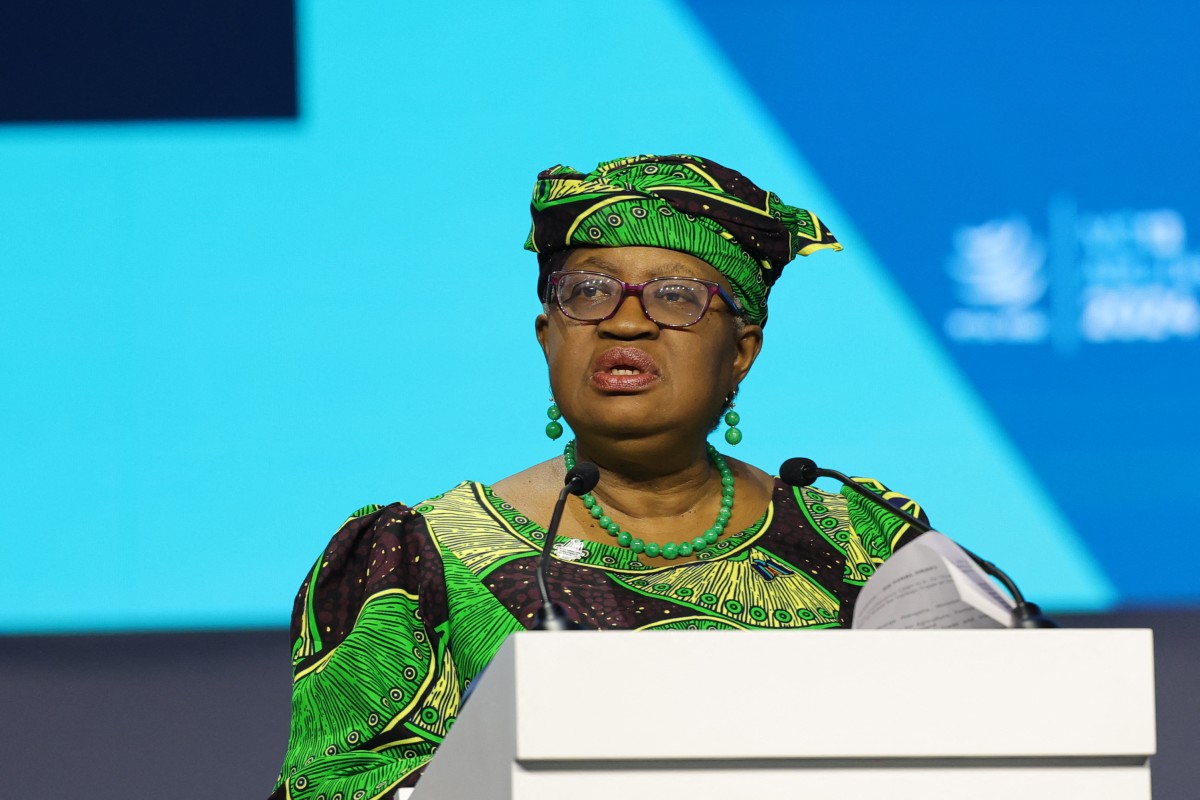
“Perhaps the biggest takeaway from the report is its reaffirmation of trade’s transformative role in reducing poverty and creating shared prosperity,” WTO Director-General Ngozi Okonjo-Iweala said in the foreword.
This conclusion, she added, runs “contrary to the currently fashionable notion that trade, and institutions like the WTO, have not been good for poverty or for poor countries, and are creating a more unequal world”.
“But the second biggest takeaway is that there is much more we can do to make trade and the WTO work better for economies and people left behind during the past 30 years of globalization,” Okonjo-Iweala said.
The report found that low- and middle-income economies tend to engage less in international trade, receive less foreign direct investment and depend more on commodities.
They also export fewer “complex products” and “trade with fewer partners”, the WTO said.
“Protectionism, the report demonstrates, is not an effective path to inclusiveness,” Okonjo-Iweala said, warning that it can raise production costs and invite “costly retaliation from disgruntled trading partners”.
WTO chief economist Ralph Ossa added: “Less trade will not promote inclusiveness, nor will trade alone.”
“True inclusiveness demands a comprehensive strategy — one that integrates open trade with supportive domestic policies and robust international cooperation,” Ossa said.
The report said domestic policies that are needed to make trade more inclusive include vocational training, unemployment benefits and “education for a more skilled and mobile workforce”.
It also called for “competition policy to ensure consumers benefit from lower prices, reliable infrastructure, and well-functioning financial markets”.