
The United States has announced it will provide $99 to the United Nations Relief and Works Agency for the Palestine Refugees (UNRWA).
The UN agency is suffering an unprecedented financial shortfall. It has already called on donors for long-term funding to continue working.
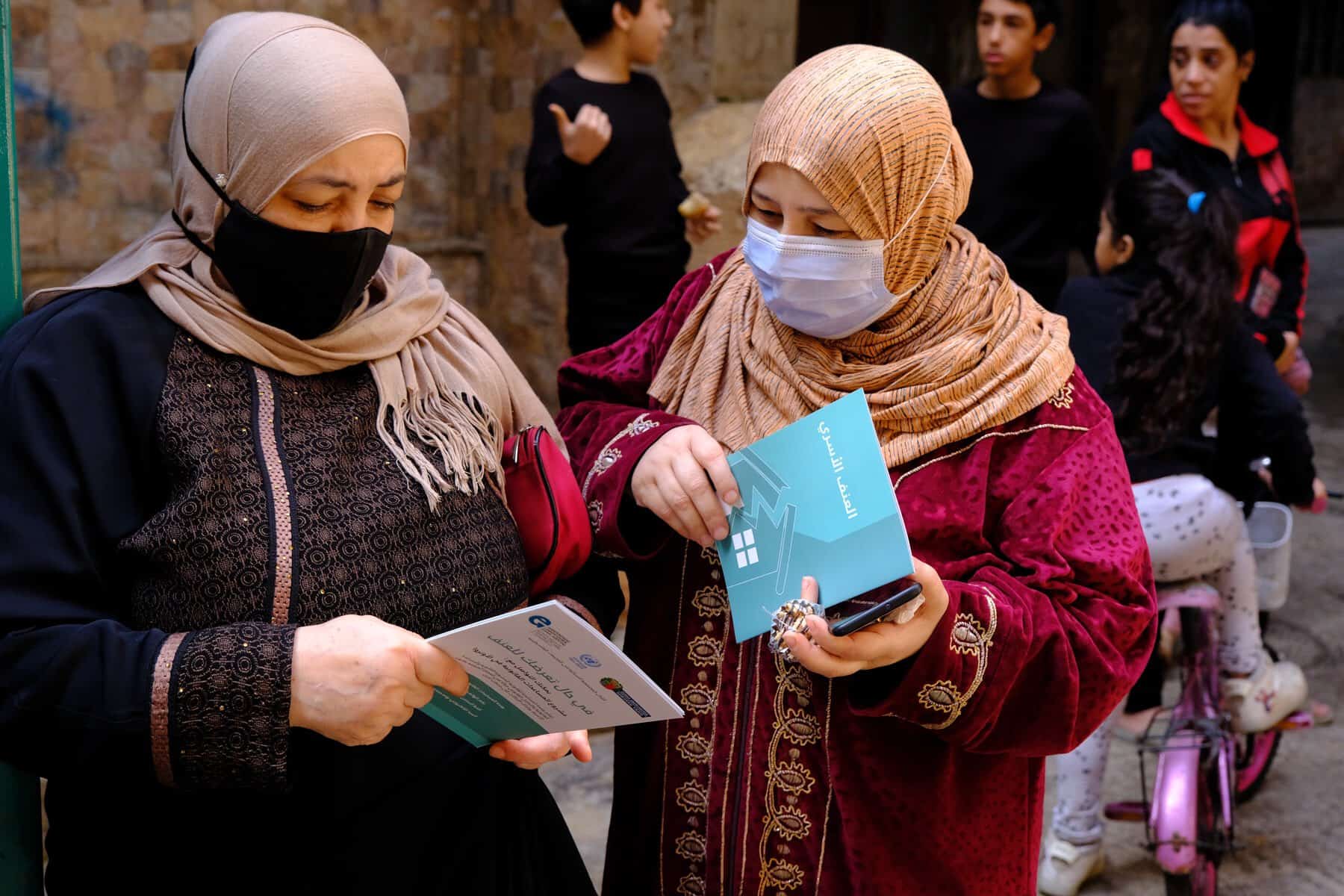
The US State Department’s Population, Refugee and Migration Bureau said on Twitter that the money to the UN Relief and Works Agency would “provide education, health care, and emergency relief to hundreds of thousands of Palestinian children and families during a time of need.”
Last week, the UNRWA Commissioner-General Philippe Lazzarini said long-running budget shortfalls had forced the agency to introduce austerity measures, stretching the level of aid it could offer Palestinians to the limit.
“For close to a decade now, donor funding to the Agency has stagnated and remained below the amount needed to ensure the continuation of quality services. At the same time, the refugee population has continued to grow while poverty and vulnerabilities have skyrocketed. The financial crisis is of an existential nature,” he said.
He added that the resumption of US funding was too little to make up for the deficit, with other donors pulling out.
Back then, Lazzarini also noted that his agency could no longer increase the number of refugees that it supported despite “rampant” poverty among those it was helping.
He added that “austerity reaches its limit when we put 50 children in a classroom or leave the most deprived children without transportation or stationery.”