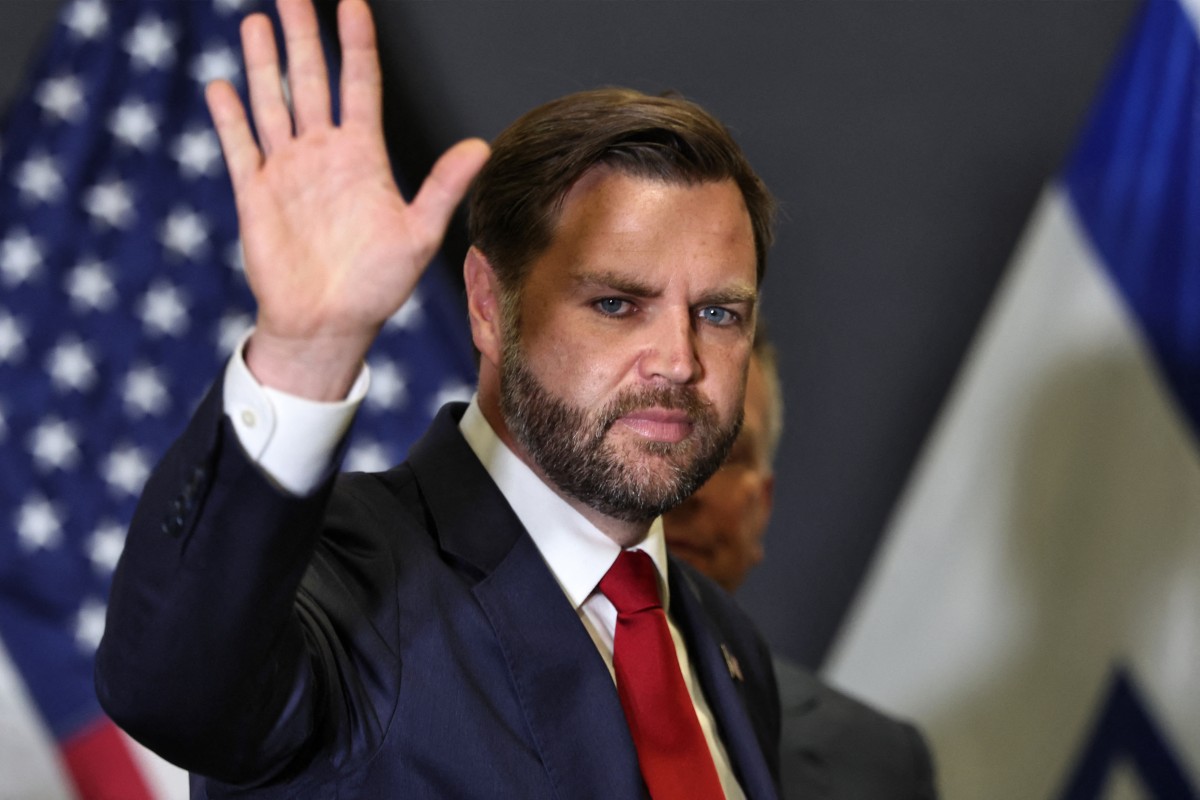

Dubai, UAE — U.S. Vice President JD Vance said key details surrounding the reopening of the Strait of Hormuz remained subject to technical negotiations, while Israel signalled it would maintain military positions in territory seized during the war, exposing early strains in the U.S.-Iran agreement announced a day earlier.
Vance, who said he planned to attend a signing ceremony in Geneva on Friday, told CNBC there was an understanding with Iran that the strategic waterway would reopen “in a toll-free way for the long term”, but said negotiators still needed to resolve implementation details.
“We’re going to figure out (that) in these technical negotiations,” Vance said.
His comments came as conflicting signals emerged over the future of the Strait of Hormuz, a crucial route for global oil exports. U.S. officials said vessels would move toll-free through the waterway under the agreement, while Iran’s foreign ministry said Tehran would be permitted to charge maritime service fees rather than impose transit tolls.
President Donald Trump, who announced the accord on Sunday, said the strait would be “completely open” after Friday’s signing but added that demining operations were still underway.
Israel signals no withdrawal
At the same time, Israel raised new questions about the durability of the agreement.
In the first official Israeli comments following the announcement, Defence Minister Israel Katz said Israeli forces would remain “indefinitely” in territory captured in Lebanon, Syria and the Gaza Strip.
Katz said Israel would not withdraw from areas seized during the conflict, despite Iran linking the agreement to a halt in Israeli attacks on the Iran-backed Hezbollah movement in Lebanon.
He also warned that any Iranian response to Israeli strikes in Lebanon would trigger a forceful Israeli reaction.
“If Iran attacks Israel, Israel will strike Iran with great force,” Katz said.
Israel’s continued operations against Hezbollah had already threatened to derail negotiations. An Israeli strike on Beirut’s southern suburbs on Sunday prompted fresh warnings from Tehran only hours before mediators announced a breakthrough.
Unresolved issues remain
The memorandum of understanding, first announced by Pakistan and later confirmed by Washington and Tehran, calls for an immediate and permanent end to military operations on all fronts, including Lebanon.
However, significant issues remain unresolved.
The agreement gives negotiators 60 days to address Iran’s nuclear programme and stockpile of highly enriched uranium, a process that previously took years during negotiations that led to the 2015 nuclear accord.
Pakistani officials said technical talks would begin this week, while broader negotiations on nuclear issues would continue over the coming two months and could be extended if necessary.
Iran’s Deputy Foreign Minister Kazem Gharibabadi said Tehran would not begin implementing the agreement until it is formally signed on Friday.
Concerns in Washington
Questions over the accord also surfaced within Trump’s Republican Party.
Senator Lindsey Graham, who described Vance as the “architect of the deal”, expressed concern that Iranian and American interpretations of the agreement appeared to differ.
“I am somewhat concerned that Iran’s view of the agreement seems different than what the American negotiating team is claiming,” Graham wrote online.
Despite the uncertainties, mediators from Pakistan and Qatar continued preparations for talks aimed at converting the ceasefire into a broader diplomatic settlement.