


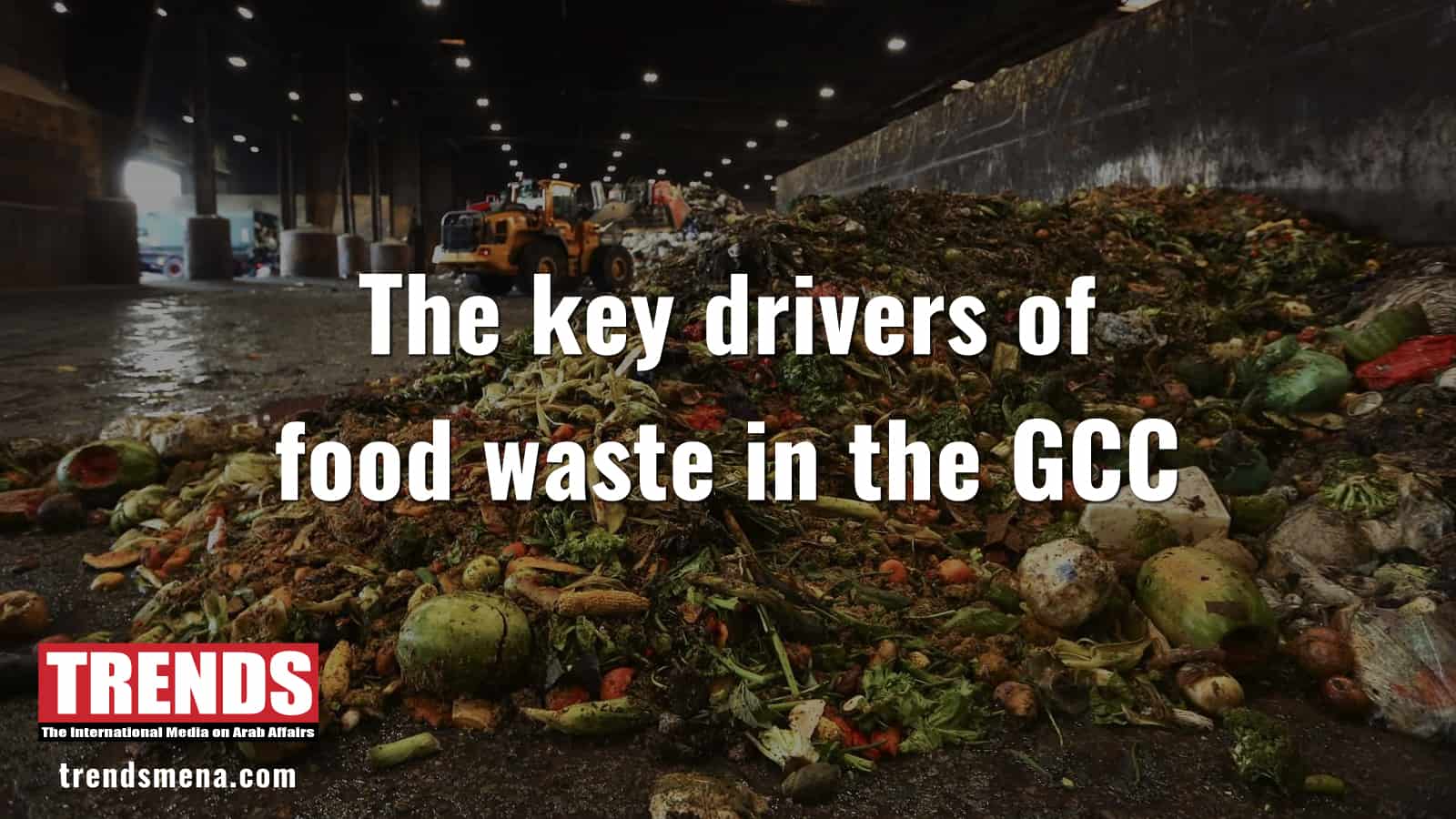
Dubai, UAE–Globally, around 14 percent of food produced is lost between harvest and retail, while an estimated 17 percent of total global food production is wasted–11 percent in households, 5 percent in the food service and 2 percent in retail, according to the United Nations. Food loss and waste undermine the sustainability of food systems. When food is lost or wasted, all the resources that were used to produce this food – including water, land, energy, labor and capital – go to waste, the UN says. Underscoring the need for reducing food waste and loss, the UN says the disposal of food loss and waste in landfills, leads to greenhouse gas emissions, contributing to climate change. TRENDS takes a look at the state of food waste in the GCC countries.
Excess, storage issues behind food waste in GCC
Today's Headlines
By signing up you agree to our Terms of Use and Privacy Policy

ABU DHABI, UAE – The Environment Agency – Abu Dhabi (EAD) has issued a policy on sustaining marine water quality that reviews the current situation and main challenges related to…

GCC-listed companies' net profit dropped to US$ 57.9 billion in Q2-2023. While retail, capital goods, and utilities sectors faced profit declines, the banking sector thrived.

Rising security concerns, confrontational geopolitics, and chaotic global changes have fueled the demand for private military companies, the new reality of modern warfare.


WTTC research shows that, having endured estimated losses of $4.5 trillion and 62 million jobs in 2020 alone, travel and tourism has recovered and is set to reach new heights.…