
The 99 percent of the global population breathes air that exceeds air quality limits, and threatens their health, ccording to new data by the World Health Organisation (WHO).
A record number of over 6,000 cities in 117 countries are now monitoring air quality, but the people living in them are still breathing unhealthy levels of fine Particulate Matter (PM) and nitrogen dioxide (NO2), with people in low and middle-income countries suffering the highest exposures.
The findings have prompted WHO to highlight the importance of curbing fossil fuel use and taking other tangible steps to reduce air pollution levels.
Released in the lead-up to World Health Day, marked on April 7, which this year celebrates the theme “Our planet, our health”, the 2022 update of WHO’s air quality database introduces, for the first time, ground measurements of annual mean concentrations of NO2, a common urban pollutant and precursor of PM and ozone. Both groups of pollutants originate mainly from human activities related to fossil fuel combustion.
Meanwhile, the evidence base for the damage air pollution does to the human body has been growing rapidly, and points to significant harm caused by even low levels of many air pollutants.
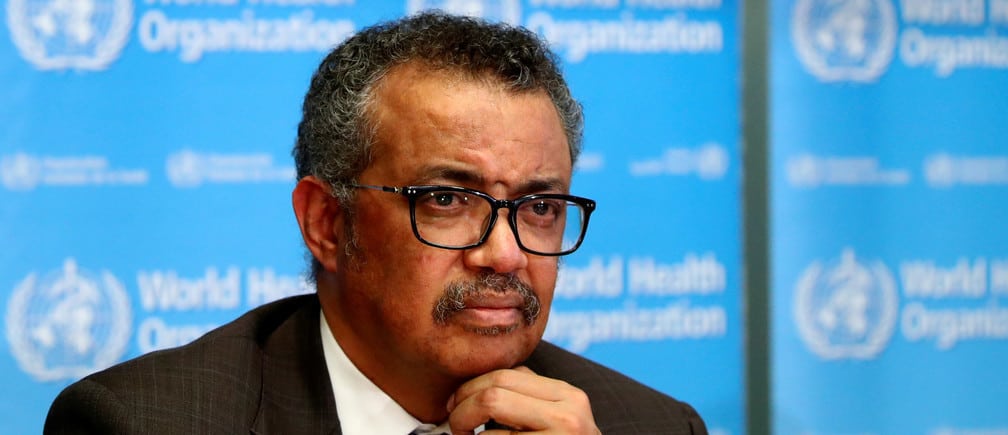
“Current energy concerns highlight the importance of speeding up the transition to cleaner, healthier energy systems,” Dr. Tedros Adhanom Ghebreyesus, WHO Director-General, said. “High fossil fuel prices, energy security, and the urgency of addressing the twin health challenges of air pollution and climate change, underscore the pressing need to move faster towards a world that is much less dependent on fossil fuels.”
Dr. Maria Neira, WHO Director, Department of Environment, Climate Change and Health, said that after surviving a pandemic, it is unacceptable to still have 7 million preventable deaths and countless preventable lost years of good health due to air pollution.
“That’s what we’re saying when we look at the mountain of air pollution data, evidence, and solutions available,” she added. “Yet too many investments are still being sunk into a polluted environment rather than in clean, healthy air.”