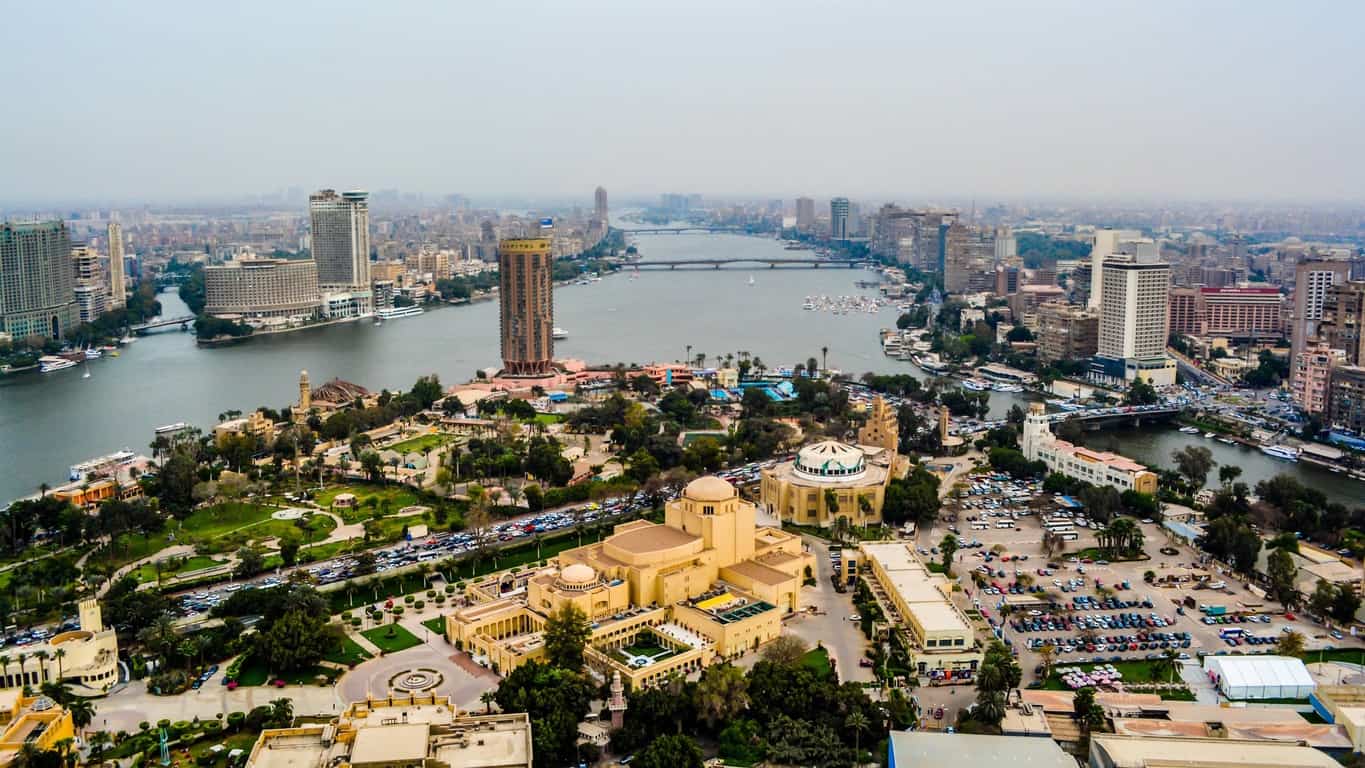

DUBAI, UAE – Egypt stands as the most populous Arab country with 113 million people, marking it the 14th largest population worldwide, according to a recent overview by the World Population Review and Worldometer.
The data, highlighting population sizes of various countries worldwide, pointed out that the global population has reached a staggering 8.082 billion.
It added that India and China lead the charts, closely followed by the United States.
Iran and Turkey, with populations of 89 million and 86 million respectively, demonstrate substantial numbers in the Middle East region.
Their strategic location and cultural influence make them pivotal players on the regional and global stage.
Saudi Arabia, the largest country in the GCC, boasts a population of 37 million, underscoring its significant role both as an economic powerhouse and a cultural influencer in the Arab world.
The Kingdom’s demographic size complements its economic and political stature in the region.
The United Arab Emirates (UAE), a federation of seven emirates including Abu Dhabi and Dubai, has a population of 9.5 million.
This figure is particularly noteworthy given the UAE’s rapid development and its status as a global business hub.
Further down the list, Kuwait and Qatar, with populations of 4.3 million and 2.7 million respectively, may seem smaller in comparison but play outsized roles in global economics and politics due to their substantial oil and gas reserves and strategic geopolitical positioning.
The global context, with countries like the USA, Indonesia, and Pakistan showing significant population sizes, frames the conversation about resource allocation, development challenges and geopolitical strategies.
The diverse population sizes across the globe, ranging from millions in larger countries to just a few hundred in places like Vatican City, underline the varied challenges and opportunities that different nations face.
As the world grapples with issues like climate change, economic development and political stability, understanding these population dynamics becomes crucial for policymakers and international organizations.
The population data not only informs about the current state of the world but also provides insights into future trends and the need for sustainable development strategies.