
Davos, Switzerland – At the recently concluded World Economic Forum (WEF) convened in Davos, that brought together global leaders to address key world issues, a notable silence persisted on one crucial topic: the ongoing Israeli-Gaza conflict.
This year’s WEF, typically a platform for tackling pressing geopolitical matters, surprisingly skirted around the humanitarian crisis unfolding in the Middle East.
Amid extensive discussions on economic policies, climate action, tech innovations, and global cooperation, the absence of dialogue on the Israeli-Gaza conflict stood out. This silence raises questions about the complexities and nuances of international diplomacy and discourse.
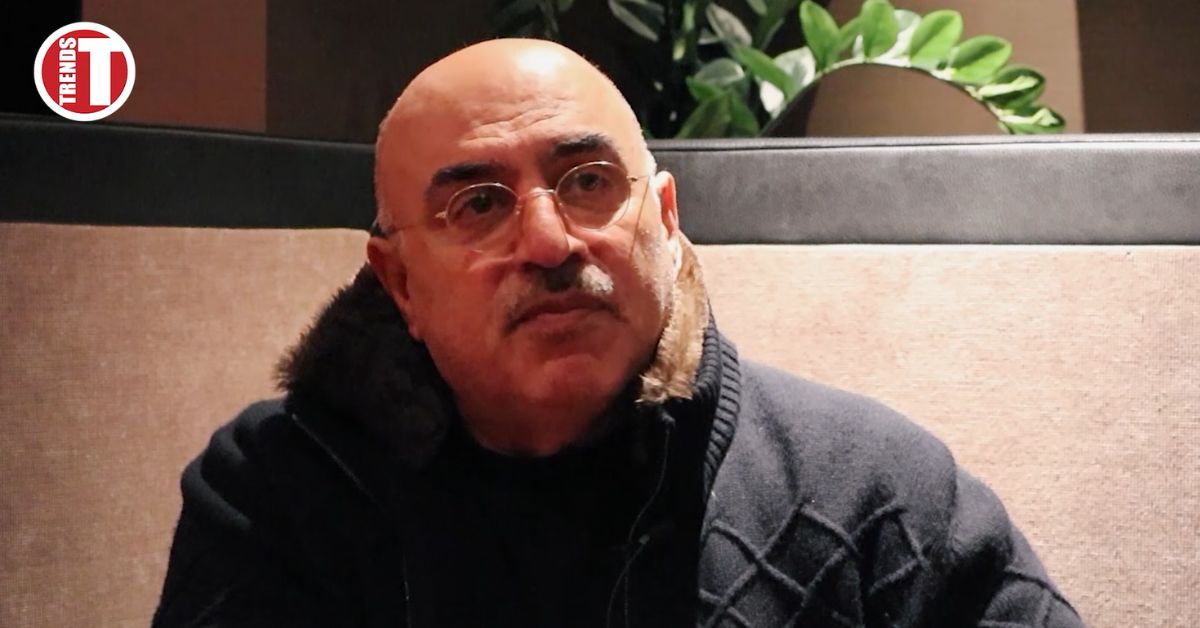
In an effort to shed light on this issue, TRENDS secured an exclusive interview with Khalid Janahi, the CEO of Vision3. Janahi, recognized for his insightful analyses and dedication to promoting understanding, offers a distinctive viewpoint on the conflict and its broader global implications.
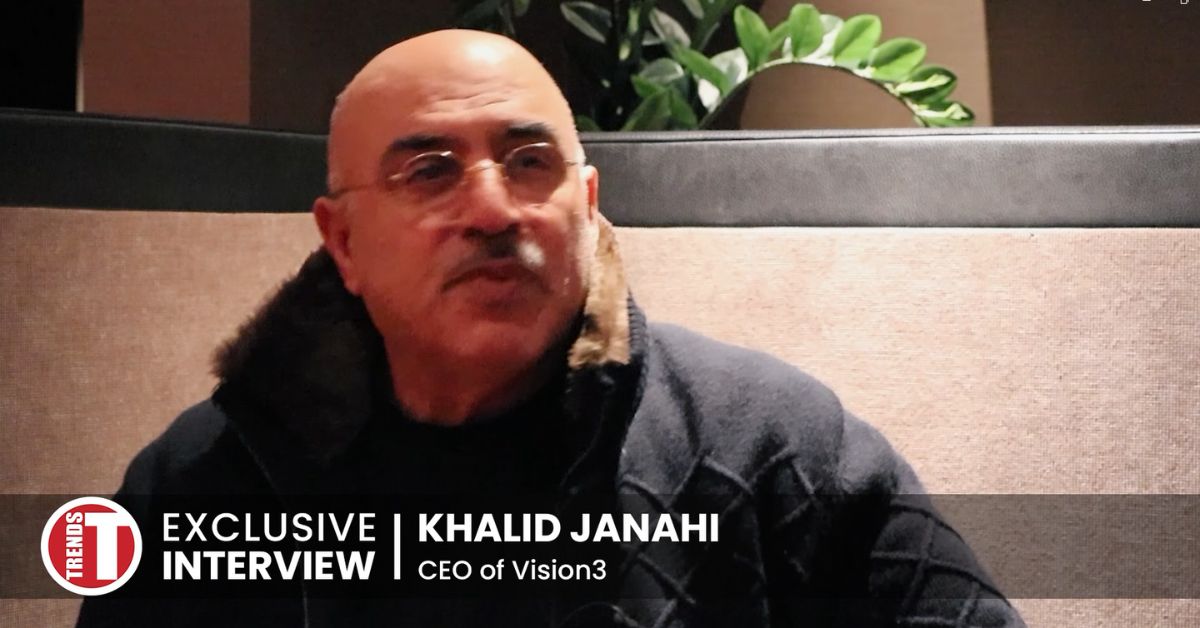
In the interview, Janahi delves into the intricacies of the Israeli-Gaza situation, exploring why such a critical humanitarian issue seems to be overshadowed in global forums like the WEF. His insights reveal the complexities behind the limited discussion of the conflict on the world stage and its ramifications for international policy and humanitarian efforts.
Janahi’s perspective underscores the importance of not only acknowledging but also actively addressing all global crises, including those in the Middle East, to truly foster comprehensive global collaboration and understanding. His comments come at a time when the world is increasingly interconnected, yet selective in the issues it chooses to spotlight and address on global platforms.
Janahi is the author of the internationally-acclaimed book From Rulership to Leadership in the Arab World: The Brief Memoir of a Non-Conformist, released in early 2023.