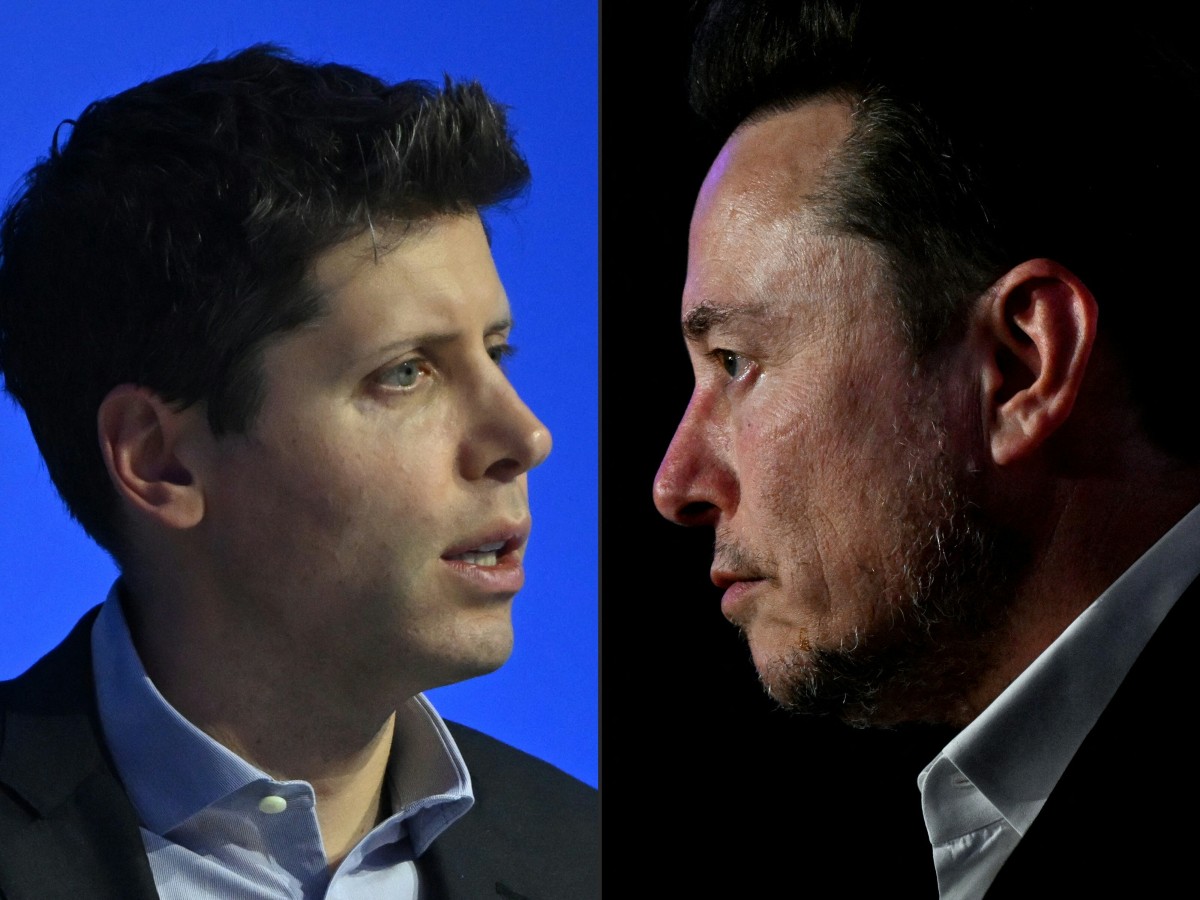

San Francisco, United States – Elon Musk on Monday said he would make his Grok chatbot, a rival to ChatGPT, open source as his feud with OpenAI deepens.
The multi-billionaire unveiled Grok late last year as he attempts to catch up with OpenAI which he helped create in 2015 along with its CEO Sam Altman, providing key financing in its early days.
He left OpenAI a few years later and last week filed a shock lawsuit against the company for breaking its original non-profit mission to make AI research available to all.
“This week, @xAI will open source Grok,” Musk said in a post on X, entering one of Silicon Valley’s burning philosophical debates on the future of artificial intelligence.
Tech investors are increasingly in split camps on the development of AI and how the technology should advance.
On one side, companies such as Meta support an open source system in which researchers and other companies can access the technology’s inner workings to develop new products or innovations.
Meta, IBM and dozens of startups and researchers in December launched an alliance defending more open and collaborative AI, afraid that regulators would close the path to this method.
On the other side, OpenAI and Google support a higher level of secrecy in order to protect the technology from bad actors, and make money to recoup the high computing costs necessary to build their industry-leading tools.
Shortly after filing his lawsuit, Musk said in a post that he would drop his case if OpenAI changed its name to ClosedAI.
OpenAI argues that Musk’s lawsuit, as well as his embrace of open source development, is little more than a case of sour grapes after leaving the company.
“Seeing the remarkable technological advances OpenAI has achieved, Musk now wants that success for himself,” OpenAI said in a court filing.
“Musk purports to bring this suit for humanity when the truth — evident even from the face of Musk’s contradictory pleading — is that he brings it to advance his own commercial interests.”
Musk is one of the world’s few investors with deep enough pockets to compete with OpenAI, Google or Meta on AI.
Building an AI model at the same scale as those companies comes at an enormous expense in computing power, infrastructure and expertise.