
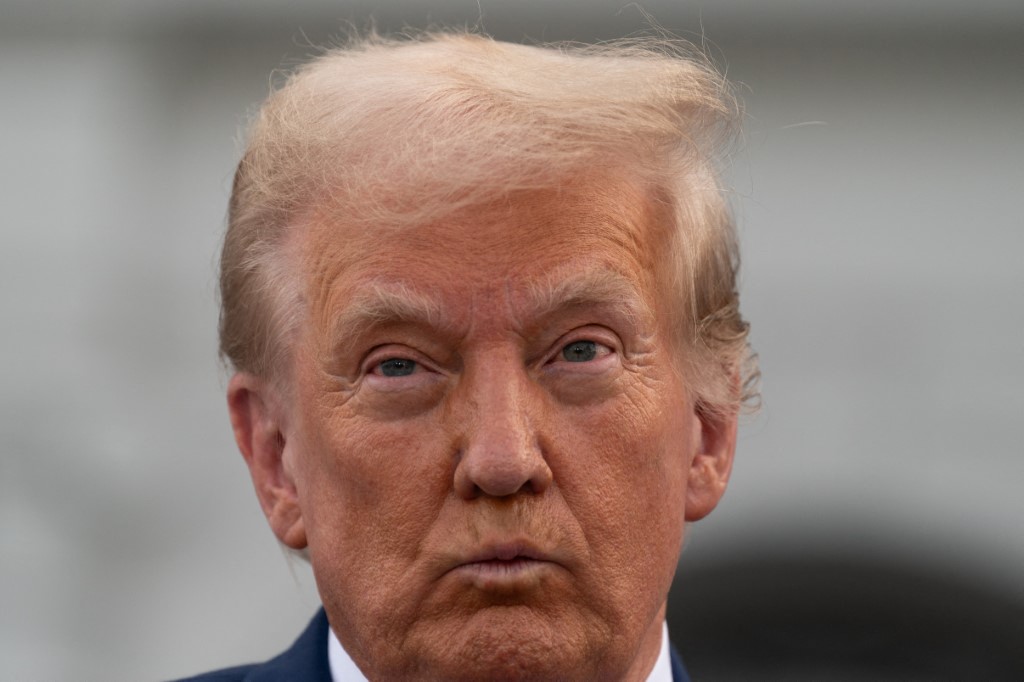


US President Donald Trump has expressed dissatisfaction with Iran’s latest proposal aimed at ending the conflict and reopening the Strait of Hormuz, according to multiple media reports. The proposal reportedly seeks to pause discussion of Tehran’s nuclear programme until after the war is brought to an end.
However, the White House appears unwilling to separate the two issues. Sources cited by Reuters said Trump believes Iran’s nuclear ambitions must be addressed at the very start of any negotiations. The New York Times reported that Trump told advisers he was not satisfied with the offer, while CNN said the administration is unlikely to approve a deal that lifts pressure on Iran without securing nuclear concessions first.
US officials are said to view the current blockade of Iranian ports as one of Washington’s strongest bargaining tools and are reluctant to give it up prematurely.
Iran Signals Openness to Renewed Talks Amid Diplomatic Push
Iran’s Foreign Minister Abbas Araghchi has indicated that Tehran is considering a US request to resume negotiations, suggesting a possible diplomatic opening despite ongoing hostilities.
Araghchi made the remarks during a high-profile meeting with Russian President Vladimir Putin in St Petersburg, where regional security and the conflict were believed to be central topics. The statement comes as international pressure grows for both sides to de-escalate and return to the negotiating table.
The Iranian proposal reportedly focuses first on ending military operations and restoring maritime trade routes before revisiting the more contentious nuclear issue.
UN Warns Hormuz Closure Could Trigger Global Food Crisis
The United Nations has called for the immediate reopening of the Strait of Hormuz, warning that continued disruption in one of the world’s most important shipping lanes could have severe global consequences.
UN Secretary-General Antonio Guterres said the confrontation between the United States and Iran in the waterway threatens international supply chains, particularly energy and food shipments. Dozens of countries have backed calls for “urgent and unimpeded reopening” of the strait.
The Hormuz route is critical for transporting oil, gas, and essential commodities. Prolonged closure or military confrontation there could push up prices worldwide and destabilise already fragile economies.
War Disrupts Global Electronics Supply Chain
The conflict has also triggered fresh economic fallout, with Reuters reporting sharp increases in the price of printed circuit boards (PCBs), a core component used in nearly all electronic devices.
The spike follows an Iranian strike earlier this month on Saudi Arabia’s Jubail petrochemical complex, which disrupted production of high-purity polyphenylene ether (PPE) resin — a vital raw material used in PCB laminates.
Saudi chemical giant SABIC, which controls roughly 70 percent of global supply of the material, has reportedly not resumed normal output since the attack. As a result, PCB prices surged by as much as 40 percent in April compared with March, according to a Goldman Sachs note cited by Reuters.
The disruption could affect global production of smartphones, computers, automobiles, and consumer electronics in the coming months.
Iran Praises Russia Ties During Crisis
Following talks with President Putin, Foreign Minister Araghchi praised Moscow for standing with Tehran during a period of heightened regional turmoil.
In a post on X, Araghchi said recent developments had demonstrated the strength of the strategic partnership between Iran and Russia. He added that Tehran welcomed Russia’s support for diplomacy and valued its solidarity during the crisis.
The remarks underline the growing alignment between the two countries as tensions with the West deepen and diplomatic efforts intensify.