
Oslo, Norway — Norway’s sovereign wealth fund, the world’s largest, posted a gain of more than $100 billion in the first quarter amid the global stock market recovery, it said Thursday.
The fund — fuelled by the Norwegian state’s oil and gas revenues — saw a return of 6.3 percent in the first three months of the year.
The $107 billion gain brought the fund’s total value to a dizzying 17.7 trillion kroner ($1.6 trillion) at the end of March, or almost $291,000 for each of Norway’s 5.5 million inhabitants.
“Our equity investments had a very strong return in the first quarter, particularly driven by the tech sector,” the fund’s deputy chief executive Trond Grande said in a statement.
Shares, which accounted for 72.1 percent of the fund’s portfolio, saw a 9.1 percent return in the first quarter, buoyed by a stock market rally amid the prospect of falling interest rates.
The fund is the world’s biggest single investor, with stakes in some 9,000 companies around the globe and representing 1.5 percent of the total market capitalisation.
Its bond investments, representing 26 percent of assets, meanwhile fell by 0.4 percent in the first quarter. Real estate holdings and those in unlisted renewable energy projects also fell, by 0.5 percent and 11.4 percent respectively.
Weaker currency
Norway’s currency, the krone, weakened against several main currencies during the quarter, contributing $59 billion to the increase in the fund’s value.
According to a ranking by the Sovereign Wealth Fund Institute (SWFI), the Norwegian fund is the biggest in the world, just ahead of the China Investment Corporation.
Created in the early 1990s, the fund is aimed at financing future spending in Norway’s generous welfare state, as revenue from oil and gas exports are expected to decline over the long term.
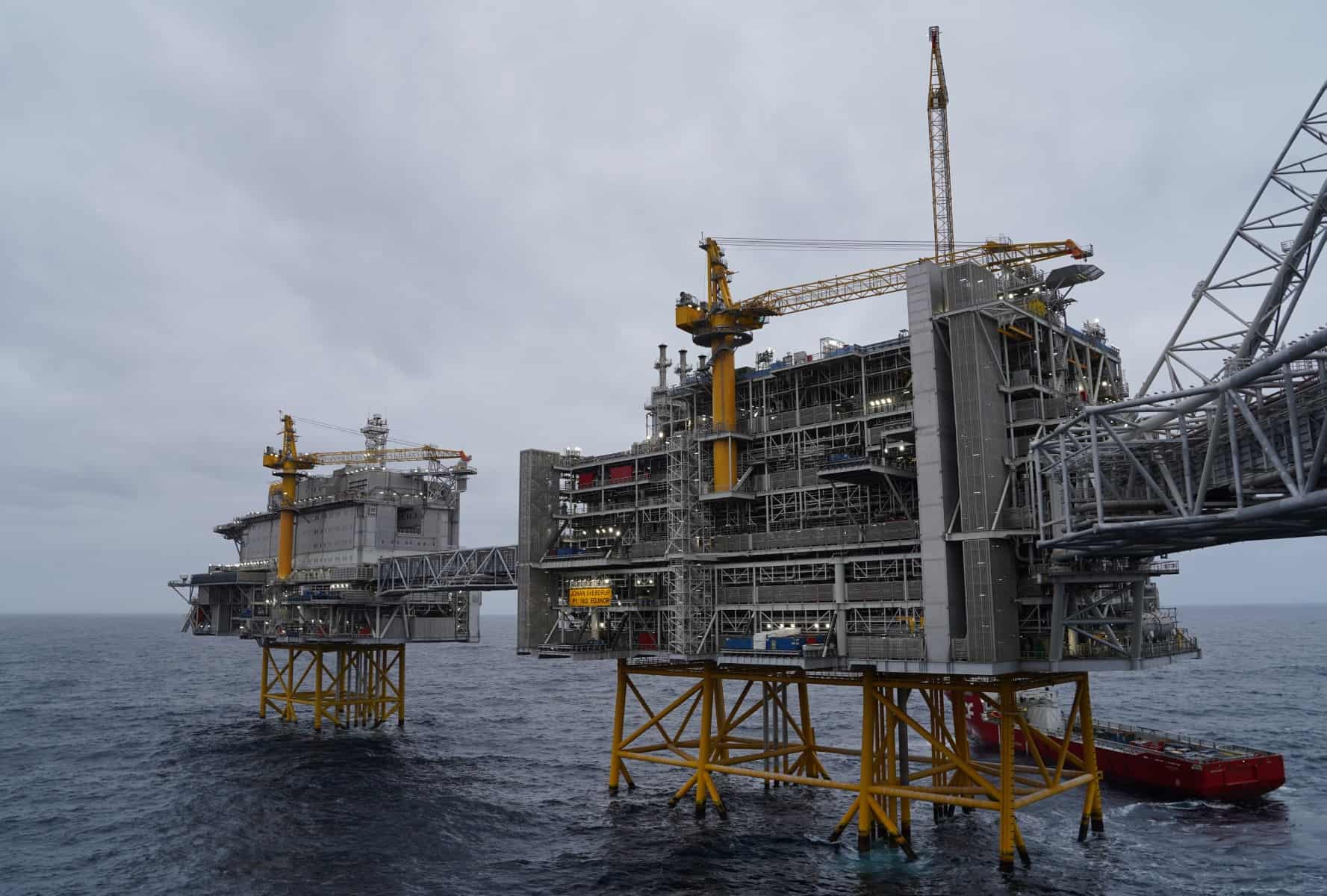
All of the state’s oil revenues are placed in the fund: taxes, profits from the state’s holdings in oil and gas fields, and dividends from oil firm Equinor, owned 67 percent by the state.
It is managed by the country’s central bank.
Norwegian governments are allowed to tap the fund to balance the budget, but within a strictly-defined framework.
They are only allowed to use the fund’s estimated returns, not the capital itself, to prevent the fund from being depleted.
All investments are made outside Norway to avoid destabilising the country’s economy.
The fund also follows strict ethical guidelines set by the finance ministry.
It is, for instance, barred from investing in companies accused of serious violations of human rights, child labour or serious environmental damage, as well as manufacturers of “particularly inhumane” arms and tobacco firms, and companies which derive a large part of their activities from coal.
Dozens of groups, including giants like Airbus, Boeing, British American Tobacco and Walmart, have therefore been blacklisted by the fund.