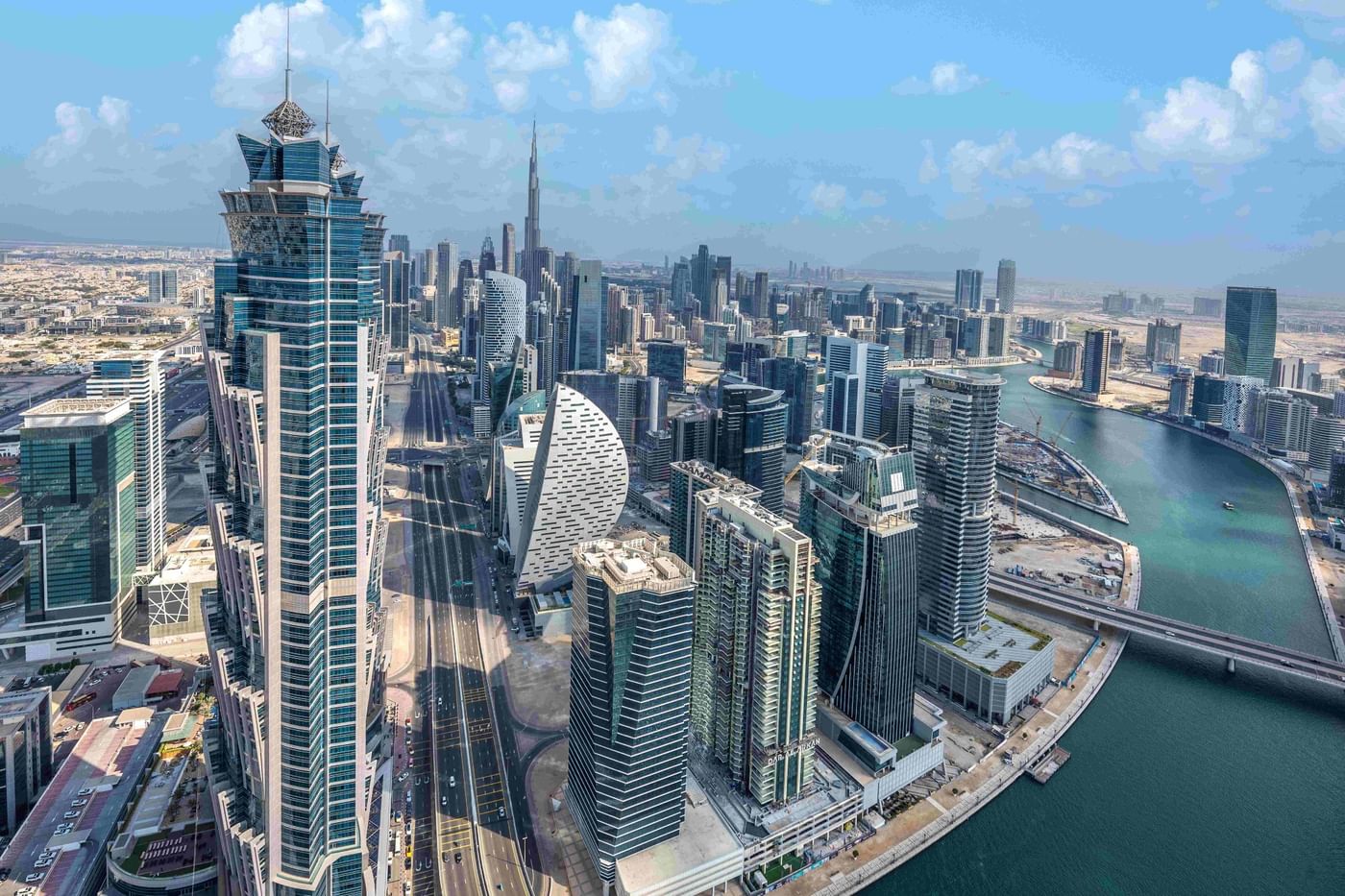

Dubai, UAE — Dubai is positioning itself as a global hub for private wealth as high-net-worth individuals rethink where and how to invest amid market volatility, demographic change and shifting capital flows, according to a report released on Tuesday by the Dubai International Financial Centre (DIFC).
The report, Global Wealth Outlook: Rethinking Growth in a Changing World, is the first in DIFC’s 2026 Future of Finance series and examines structural changes in global wealth management as investors increasingly consider geography alongside asset allocation.
Nearly 23 million high-net-worth individuals globally hold about $87 trillion in wealth, underscoring their influence on capital markets and investment trends, the report said.
Dubai has emerged as a destination for wealthy individuals, family offices and private capital seeking diversification and regulatory stability, as jurisdictional risk becomes a key factor in long-term wealth preservation.
“The global wealth landscape is undergoing a structural shift,” said Arif Amiri, chief executive of DIFC Authority. “Increasingly, geographical allocation is becoming as important as how wealth is invested.”
A major driver of change is an estimated $124 trillion intergenerational wealth transfer expected by 2048, which is reshaping investment priorities toward private markets, artificial intelligence and sustainability.
Younger investors are placing greater emphasis on resilience against market downturns, flexibility and social impact alongside financial returns, while renewable energy is expected to be among the fastest-growing investment areas after artificial intelligence, the report said.
Women, who account for more than one-tenth of ultra-high-net-worth individuals, are expected to receive 95 percent of an estimated $54 trillion in inter-spousal wealth transfers, often favouring investments aligned with social and environmental priorities.
Despite increasing use of technology and data analytics, wealth management remains relationship-driven, with advisers expected to navigate complex family dynamics while offering access to private market opportunities, the report said.
Henley & Partners estimates the United Arab Emirates attracted about 9,800 new millionaires in 2025 — most settling in Dubai — marking the world’s largest net inflow of wealthy individuals as tax and regulatory conditions shift in traditional financial centres.
DIFC said it hosts more than 1,289 family-related entities, forming the largest family wealth ecosystem in the UAE, supported by private banking, asset management and advisory services.
The financial centre is expanding its wealth infrastructure, including the DIFC Family Wealth Centre initiative aimed at supporting multi-generational family offices, as demand grows for professionalised governance and investment advisory services.