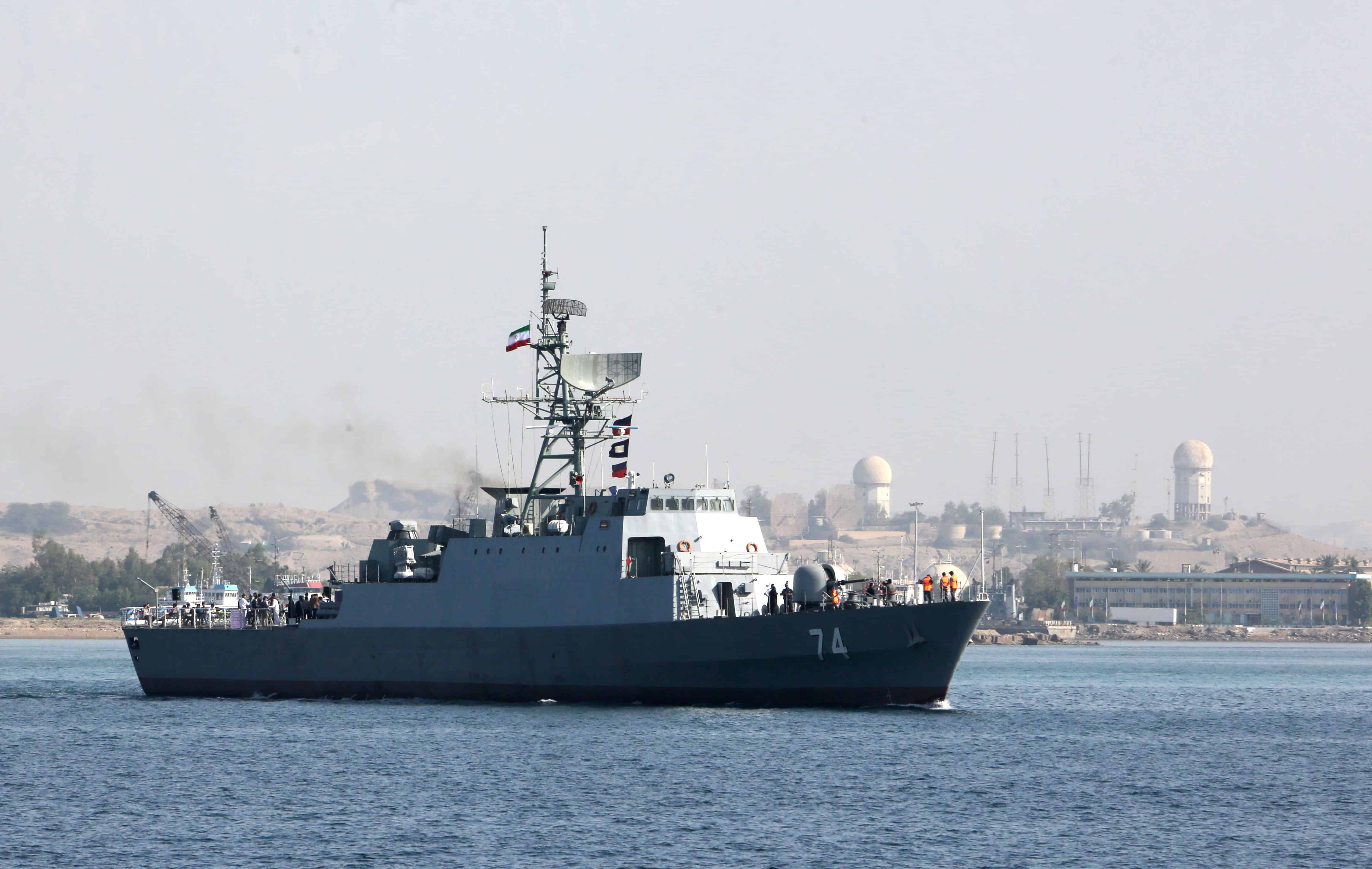

Iran has warned that renewed conflict with the United States was increasingly likely, as diplomatic efforts remained stalled despite a month-old ceasefire and President Donald Trump rejected Tehran’s latest negotiating proposal.
The warning came from senior Iranian military commander Mohammad Jafar Asadi, who said Washington could not be trusted to honour any agreement. His remarks followed Trump’s assertion that he was dissatisfied with Iran’s latest offer, delivered through Pakistani mediators.
The conflict, launched by the United States and Israel in late February, has been paused since April 8. However, direct talks have yet to resume after an unsuccessful round of negotiations in Pakistan.
Diplomacy on edge
Trump said he preferred a negotiated settlement but made clear military action remained an option. He accused Iran’s leadership of internal divisions and warned that failure to reach an agreement could lead to renewed strikes.
Iranian Deputy Foreign Minister Kazem Gharibabadi said Tehran was prepared for either diplomacy or confrontation, depending on Washington’s response.
Iran has insisted that its uranium enrichment programme remains lawful under international supervision and accused Washington of hypocrisy over nuclear issues.
Hormuz remains the strategic flashpoint
The Strait of Hormuz remains central to the standoff. Iran has maintained tight control over the vital shipping lane since the war began, while the United States has imposed a counter-blockade on Iranian ports.
The disruption has rattled global markets. Oil prices briefly fell after news of Tehran’s latest proposal, but they remain sharply above pre-war levels.
Iranian lawmakers are considering legislation that would direct 30% of Hormuz transit tolls toward military infrastructure, with the remainder allocated to economic development.
Economic pain deepens in Iran
The war has taken a heavy toll on Iran’s economy. Oil exports have fallen sharply, while inflation has surged beyond 50%.
Many Iranians are relying on savings, gold and foreign currency reserves to weather the crisis, but concerns are mounting over the country’s long-term economic resilience.
Spain condemns Israel over flotilla detentions
Spain demanded the immediate release of activist Saif Abu Keshek after Israeli forces intercepted a Gaza-bound aid flotilla in international waters off Greece and transferred him to Israel for questioning.
Brazilian activist Thiago Avila was also detained. Both men were among more than 170 activists intercepted while attempting to deliver aid to Gaza and challenge Israel’s blockade.
Spanish Foreign Minister José Manuel Albares described Abu Keshek’s detention as illegal and said the incident would further damage already strained ties between Madrid and Tel Aviv.
Allegations of mistreatment
Israeli rights group Adalah said both detainees reported severe abuse during and after their capture.
Avila alleged he was beaten unconscious during the seizure, while both men said they were restrained, blindfolded and held in isolation. They have since launched a hunger strike.
Israel has linked the pair to the Popular Conference for Palestinians Abroad, an organisation sanctioned by the United States over alleged ties to Hamas. Spain has rejected those allegations.
NATO seeks answers on US troop withdrawal
NATO said it is seeking clarification from Washington after the Pentagon announced plans to withdraw around 5,000 troops from Germany over the next six to 12 months.
The move comes amid worsening transatlantic tensions over the US-Israeli war against Iran, as well as escalating trade disputes between Washington and the European Union.
Europe is pressed to shoulder more defence
NATO said the decision underscored the need for Europe to increase defence spending and assume greater responsibility for collective security.
German Defence Minister Boris Pistorius said the move was not unexpected, while Foreign Minister Johann Wadephul stressed that key US military installations in Germany, including Ramstein Air Base, remained indispensable.
Alliance under strain
Trump has repeatedly criticised European allies for insufficient defence contributions and for failing to fully support Washington’s Middle East strategy.
He has also threatened additional troop reductions in Italy and Spain, while announcing a 25% tariff on EU cars and trucks.
Polish Prime Minister Donald Tusk warned that the greatest threat to the transatlantic alliance now came from internal fragmentation rather than external adversaries.