
Dubai, UAE — The United States and Iran agreed to a memorandum of understanding and an “immediate and permanent” cessation of military operations across all fronts, including Lebanon, in a move that appeared to bring an end to more than three months of conflict in the Middle East.
The announcement, first made by mediator Pakistan, was swiftly confirmed by both Washington and Tehran. Officials said a formal signing ceremony would take place in Switzerland on June 19.
“The deal with the Islamic Republic of Iran is now complete,” US President Donald Trump wrote on social media on Sunday.
“I hereby fully authorise the toll-free opening of the Strait of Hormuz and the immediate removal of the United States naval blockade. Ships of the world, start your engines. Let the oil flow!”
Iran’s Deputy Foreign Minister Kazem Gharibabadi later told state television that the agreement brought an “immediate end” to the war and that both sides would begin talks aimed at reaching a final settlement within two months.
Ceasefire announced
The breakthrough came only hours after Tehran had threatened retaliation over an Israeli strike targeting Hezbollah positions in Beirut’s southern suburbs, raising concerns that negotiations could unravel.
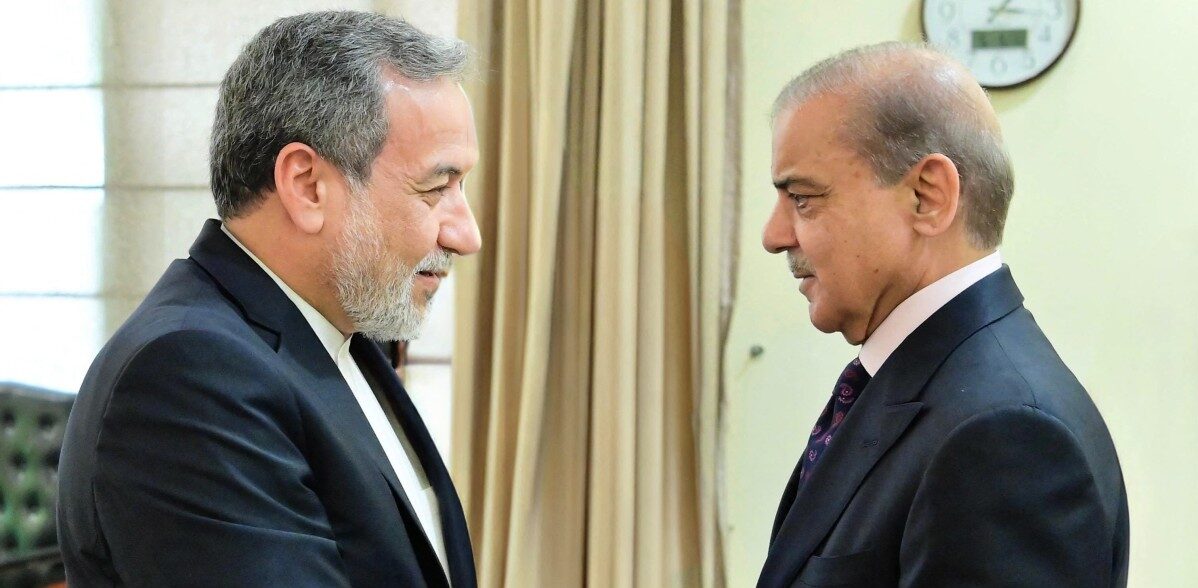
Later, Pakistani Prime Minister Shehbaz Sharif announced that “both sides have declared the immediate and permanent termination of military operations on all fronts, including in Lebanon.”
Sharif also thanked Qatar, Saudi Arabia and Turkey for supporting mediation efforts that helped secure the agreement.
Questions over terms
While the ceasefire was welcomed internationally, key details of the agreement remained unclear.
Iran’s Mehr news agency reported that the United States would release $12 billion in frozen Iranian assets before formal negotiations begin.
Citing a 14-point memorandum of understanding, the agency said a further $12 billion would be released during a 60-day negotiation period following the signing of the agreement.
Washington did not immediately comment on the reported terms, which could prove contentious as the two sides seek to resolve disputes over Iran’s nuclear programme and its stockpile of highly enriched uranium.
International relief
The agreement was met with cautious optimism from governments and international organisations.
UN Secretary-General Antonio Guterres described it as a “critical step” toward ending the conflict and urged both sides to build on the momentum.
Britain, France, Germany and Italy said they were prepared to lift sanctions on Iran and work with the United States, Tehran and regional partners to pursue a long-term diplomatic settlement.
Markets rally
Financial markets responded positively to the announcement.
Oil prices fell more than 4% in early Asian trading on Monday, while Japan’s Nikkei index rose about 3% as investors welcomed the prospect of reduced tensions and the reopening of the Strait of Hormuz.
The blockade of the strategic waterway had disrupted global energy markets, contributed to higher fuel prices and complicated supply chains worldwide.
US Vice President JD Vance said the agreement could help lower energy costs over the long term while boosting economic prospects across the Middle East.
Vance said he planned to attend the signing ceremony in Geneva and added that Trump could also participate.