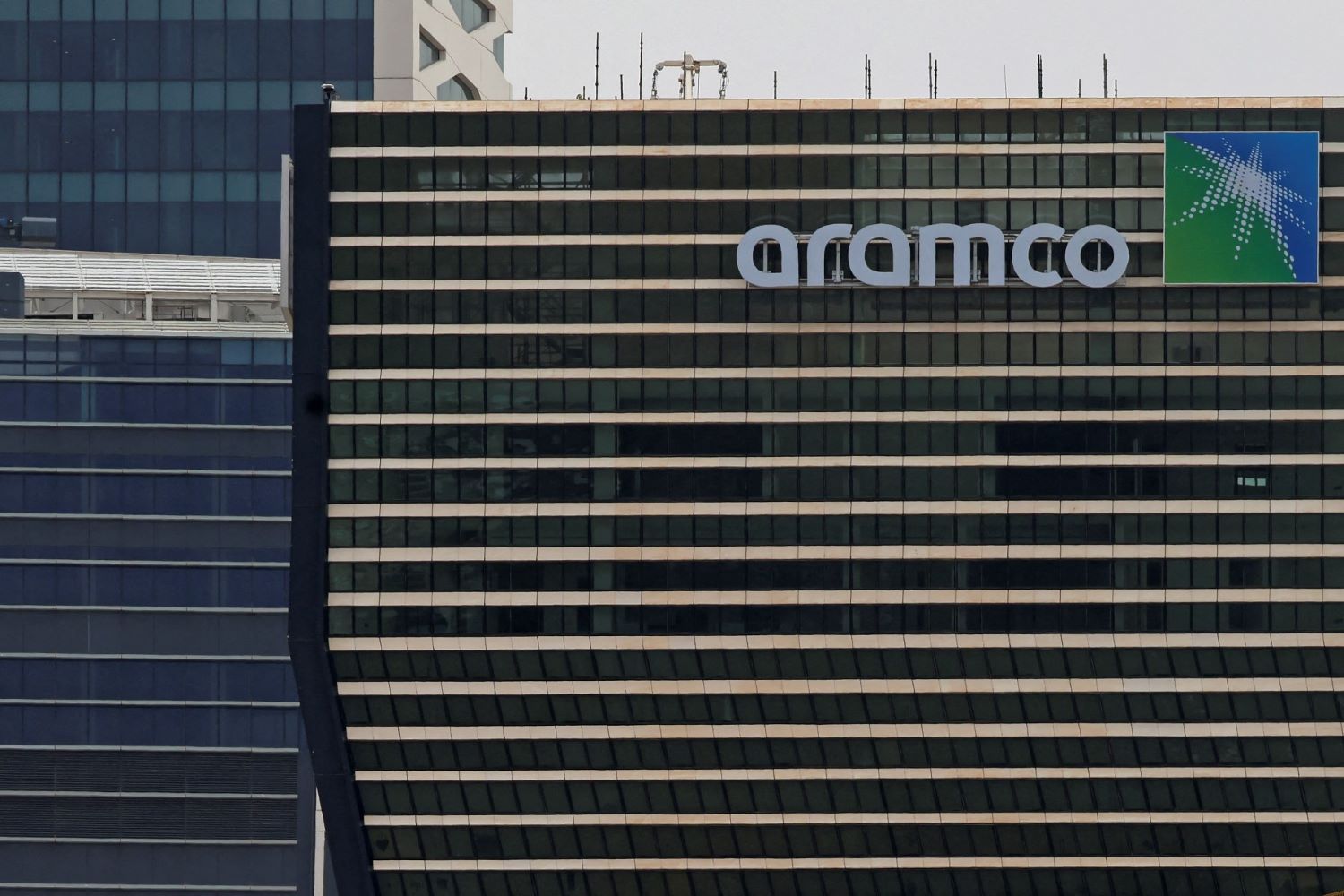

Saudi oil giant Aramco reported a 44 percent jump in second-quarter net profit on Wednesday, helped by higher crude oil prices as conflict-related disruptions in the Gulf tightened global supplies, while the company said it maintained exports despite unprecedented disruption through the Strait of Hormuz.
Net income rose to $32.69 billion in the three months ended June 30 from $22.67 billion a year earlier, while first-half net income increased to $65.23 billion from $48.68 billion. Revenue climbed to $139.15 billion in the second quarter from $108.57 billion a year earlier.
The world’s biggest oil exporter said the quarter was marked by unprecedented supply disruption through the Strait of Hormuz, but it continued production and exports by relying on its East-West Pipeline, storage capacity, export terminals and other infrastructure.
Chief Executive Amin Nasser said the company had entered the second half of the year with strong financial momentum, one of the strongest balance sheets in the sector and a focus on long-term growth despite geopolitical uncertainty.
Aramco declared a second-quarter base dividend of $21.9 billion, payable in the third quarter, and said it paid $43.8 billion in base dividends during the first half of 2026.
The company said second-quarter free cash flow fell to $12.26 billion from $15.23 billion a year earlier, largely because of higher capital spending and working capital requirements, while capital expenditure increased to $13.17 billion from $12.31 billion.
Revenue increased mainly because of higher crude oil and refined product prices, although lower sales volumes partly offset the gain. Operating costs also rose due to higher purchases and royalties linked to stronger oil prices.
Aramco said several company and affiliate facilities in Saudi Arabia were targeted in attacks during the quarter and in July, but the incidents had no material impact on its financial position, results or cash flows as of June 30.
The company said major projects, including the Zuluf crude oil expansion and the Fadhili Gas Plant expansion, remain on track, while it continued to advance the Jafurah gas development and agreed to sell its stake in Malaysia’s PRefChem as part of a downstream portfolio optimization.