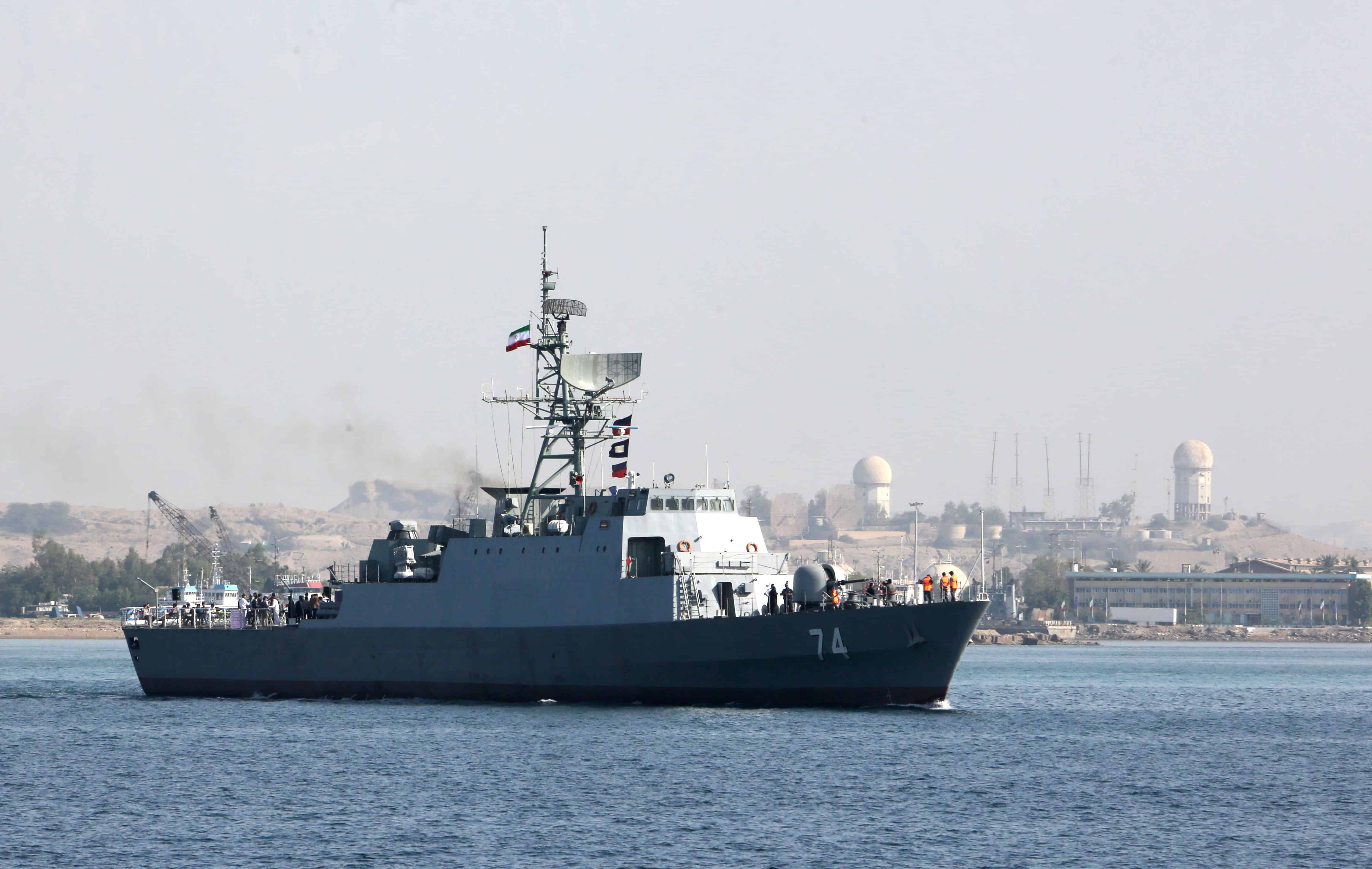

Iranian Deputy Foreign Minister Kazem Gharibabadi says the Strait of Hormuz remains closed despite a temporary transit agreement with Oman, insisting that Washington must return to its commitments under the memorandum of understanding before the waterway is fully opened.
Meanwhile, US President Donald Trump says that all mines have been cleared and detonated from the strait’s international waters and that Tehran has received warnings that any ships laying new mines will be “destroyed”.
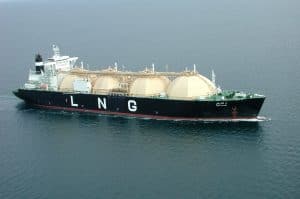
Shipping data shows traffic through the Strait of Hormuz held steady at five commodity vessels on Tuesday, remaining well below average despite staying broadly unchanged from a day earlier, Reuters reports.
Citing preliminary data from the ship-tracking firm Kpler, Reuters said two tankers carrying liquefied petroleum gas and one tanker carrying bitumen exited the strait, while two empty product tankers entered the waterway. This compares with just a single vessel recorded passing through the strait on Monday and is well below the 10-day average of 15 vessels.
The figures remain initial estimates and could be updated, as some ships typically switch off transponders during the voyage, the report said.
‘Crushing sanctions’
On Monday, US Treasury Secretary Scott Bessent announced a sweeping economic pressure campaign against Iran, warning countries and companies doing business with Tehran that they could face US sanctions.
Bessent said Washington would target all of Iran’s sources of revenue, including oil, as part of an effort to cut the financial lifelines sustaining the Iranian government.
“We are giving everyone the opportunity to remedy bad behaviour,” Bessent said, when asked why Washington was threatening Iran’s business partners rather than immediately penalising them.
He added that the United States did not want to “blow up the global financial system”, highlighting the wider risks posed by secondary sanctions.
The campaign, dubbed “Operation Economic Outcast” by the US administration, was described by Bessent as “economic D-Day”. He compared the effort to the Allied landing in France during World War Two.
Bessent said countries around the world would have to choose between Washington and Tehran, warning that companies facilitating Iranian transactions would also be exposed.
“No one is above the reach of US sanctions,” he said.
The Treasury said the latest measures would target what US officials described as five vital Iranian economic lifelines: digital assets, technology, gold, aviation and shipping.
It imposed sanctions on 60 entities, vessels and individuals across several countries, including the United Arab Emirates, Hong Kong, China, Singapore and Switzerland, accusing them of supporting Iran’s economic activities.
Bessent said US President Donald Trump had been calling world leaders with requests to end their dealings with Tehran.
“Those who stand with the United States will reap the rewards of our partnership,” Bessent said. “Those who tether themselves to the Iranian regime should expect to share in the isolation.”
The campaign comes nearly six months into a war between Iran, the United States and Israel, with Washington turning increasingly to economic pressure after months of military confrontation and sporadic diplomacy.
US and Israeli strikes have killed Supreme Leader Ali Khamenei and other senior Iranian officials but have failed to dislodge Iran’s governing system.
Iran has responded with missile and drone attacks across the region and has largely restricted traffic through the Strait of Hormuz, a major route for global energy shipments.
The disruption has pushed oil and gas prices higher and intensified pressure on the global economy.
US Defence Secretary Pete Hegseth said Iran could not withstand the economic pressure and would eventually have to return to negotiations over its nuclear programme.
He did not rule out further US military action.
“If we need to use kinetic strikes, we’ll use them,” Hegseth told reporters, adding that economic pressure was hurting Iran the most.
Tehran rejects renewed pressure
Iranian Foreign Minister Abbas Araghchi dismissed the latest US measures as another version of a familiar strategy.
Iran had faced sanctions for years and would not be forced into submission by renewed economic pressure, Araghchi said.
“They cannot think of any other solution in confronting the great Iranian people,” he said, referring to Washington’s repeated sanctions campaigns.
The latest measures follow an earlier US blockade of Iranian ports announced in April. While the blockade has reduced Iran’s oil exports, analysts say it has not produced the political concessions Washington sought.
The confrontation has also failed to resolve the wider crisis around the Strait of Hormuz.
Hormuz traffic hits new low
Commercial traffic through the strategic waterway fell to just one commodity vessel on Monday, the lowest daily volume recorded since May 7, according to preliminary ship-tracking data cited by Reuters.
Kpler data showed only one very large gas carrier transited the strait, entering from the Gulf of Oman. Six vessels of all types crossed on Sunday.
The figures remain preliminary because some ships switch off their transponders while navigating the area.
Over the past week, total Hormuz crossings rose 2.5 percent to 121, but the headline figure masks a deterioration in commercial traffic and increasing risks for shipping.
Nearly 46.3 percent of vessels used Iran’s unilateral routing scheme to secure passage, while laden transits carrying cargo fell 27 percent.
Crossings by sanctioned vessels also increased, rising from nine to 16.
The contrast between total crossings and actual cargo movements highlights the extent to which the disruption is affecting global energy trade.
Pakistan pushes for reopening
Pakistan’s army chief, Field Marshal Asim Munir, travelled to Tehran on Monday in an effort to advance diplomacy and secure the reopening of the Strait of Hormuz.
Munir met Iranian President Masoud Pezeshkian, Foreign Minister Araghchi and other senior officials during the daylong visit, accompanied by Pakistan’s Interior Minister Mohsin Naqvi.
According to Pakistan’s military, the discussions focused on preventing further escalation and securing a negotiated settlement to the conflict.
Iranian officials welcomed Islamabad’s efforts to facilitate dialogue.
The diplomatic initiative comes as Washington increases economic pressure and Tehran maintains restrictions around Hormuz, leaving the strategic waterway at the centre of both the military and economic confrontation.
Traffic through the Bab al-Mandeb strait, meanwhile, rose 3.1 percent to 269 crossings over the past week.
Kpler said the Red Sea corridor remained resilient despite the security threat, with sanctioned and shadow-fleet transits together holding steady at 74.
The diverging traffic trends underline the importance of Hormuz to global energy flows and the growing economic consequences of the Iran conflict.