
Qatar is setting up a dedicated platform to manage and grow its sovereign wealth fund’s domestic portfolio, seeking to boost private-sector participation and accelerate long-term economic diversification.
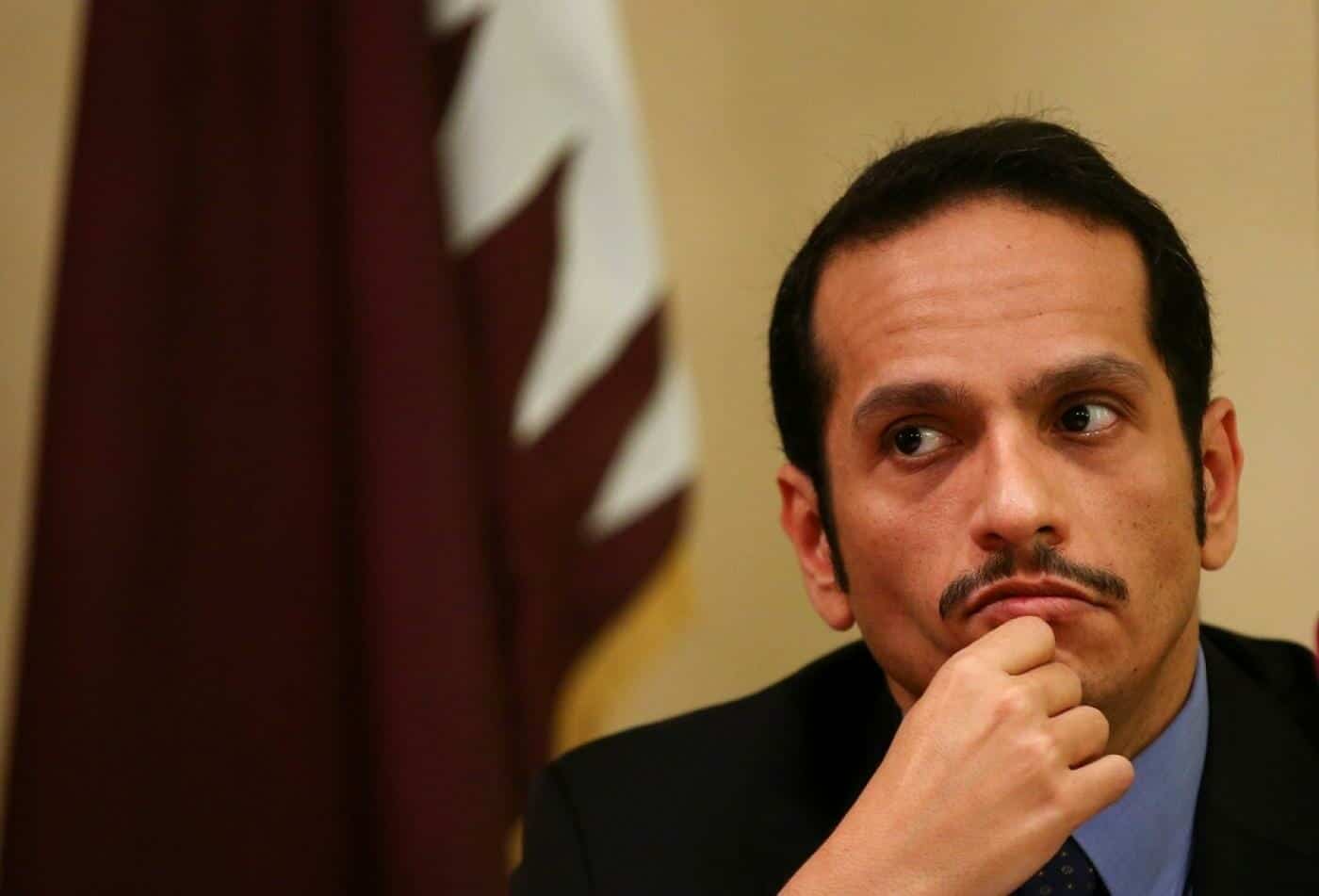
Prime Minister Sheikh Mohammed bin Abdulrahman Al Thani announced the launch of Doha Investment at the Qatar Economic Forum in New York on Sunday, saying the platform would support leading companies, help emerging businesses expand, deepen capital markets and attract international capital and expertise.
The platform will manage the domestic investment portfolio of the Qatar Investment Authority (QIA), one of the world’s largest sovereign wealth funds. The restructuring was initiated before the regional war and is intended to allow the QIA to focus more effectively on its global investments while prioritising domestic development.
“Doha Investment” will also focus on improving governance and developing capabilities to make Qatari companies more competitive and prepared for expansion, Sheikh Mohammed said.
Qatar expects to launch infrastructure projects worth about $38.5 billion over the next five years, including public-private partnerships, with initial tendering processes beginning immediately, he said.
Separately, real estate and hospitality projects are expected to attract about $22.5 billion in private investment over the same period. The Simaisma Beach project alone is expected to draw around $5.8 billion, with additional projects to be announced.
The combined value of the infrastructure and private investment opportunities exceeds $60 billion over five years, Sheikh Mohammed said.
The government aims to combine public infrastructure spending with private capital and international expertise, seeking partners with technological innovation and market access to establish long-term partnerships.
The initiative comes as Qatar faces economic disruption from the regional conflict and uncertainty over energy exports and shipping routes.
Sheikh Mohammed described the conflict’s impact as an “earthquake” whose aftershocks had extended beyond the region, challenging assumptions about security and stability.
Iran’s March strike on Qatar’s Ras Laffan energy facility put about 17% of the country’s export capacity out of commission, with losses estimated at $20 billion and repairs expected to take at least three years, according to the source material.
Qatar has continued exporting some liquefied natural gas cargoes, but volumes remain below pre-war levels as tanker traffic through the Strait of Hormuz remains risky.
The government had previously anticipated increased revenues from an expansion in liquefied natural gas production, with the North Field expansion expected to strengthen Qatar’s position as an energy supplier and support diversification.
Sheikh Mohammed said Qatar would not allow short-term disruption to determine its long-term direction.
He linked economic resilience to regional diplomacy, saying security arrangements should respect sovereignty and ensure that no state poses a threat to another.
“Diplomacy and economic stability are closely linked,” he said, adding that Qatar would remain a partner in mediation efforts, a reliable energy supplier and a long-term investment partner.
The prime minister said discussions over the regional crisis would begin with security and de-escalation before moving to energy supplies, shipping routes and the future of investment plans.
He said Qatar’s financial system had continued operating and companies had maintained their functions despite disruptions and higher costs, which he attributed to years of preparation and planning.
Qatar’s economic fundamentals remain robust, Sheikh Mohammed said, adding that North Field expansion would reinforce the country’s role as an energy supplier while supporting diversification.
“Energy is the source of its strength, diversification is the secret to its resilience, and technology is its future,” he said.