
Lebanon’s politicians, including caretaker Prime Minister Hassan Diab, locked horns with the country’s central bank on Thursday, August 12, over the ending of fuel subsidies, local reports have said.
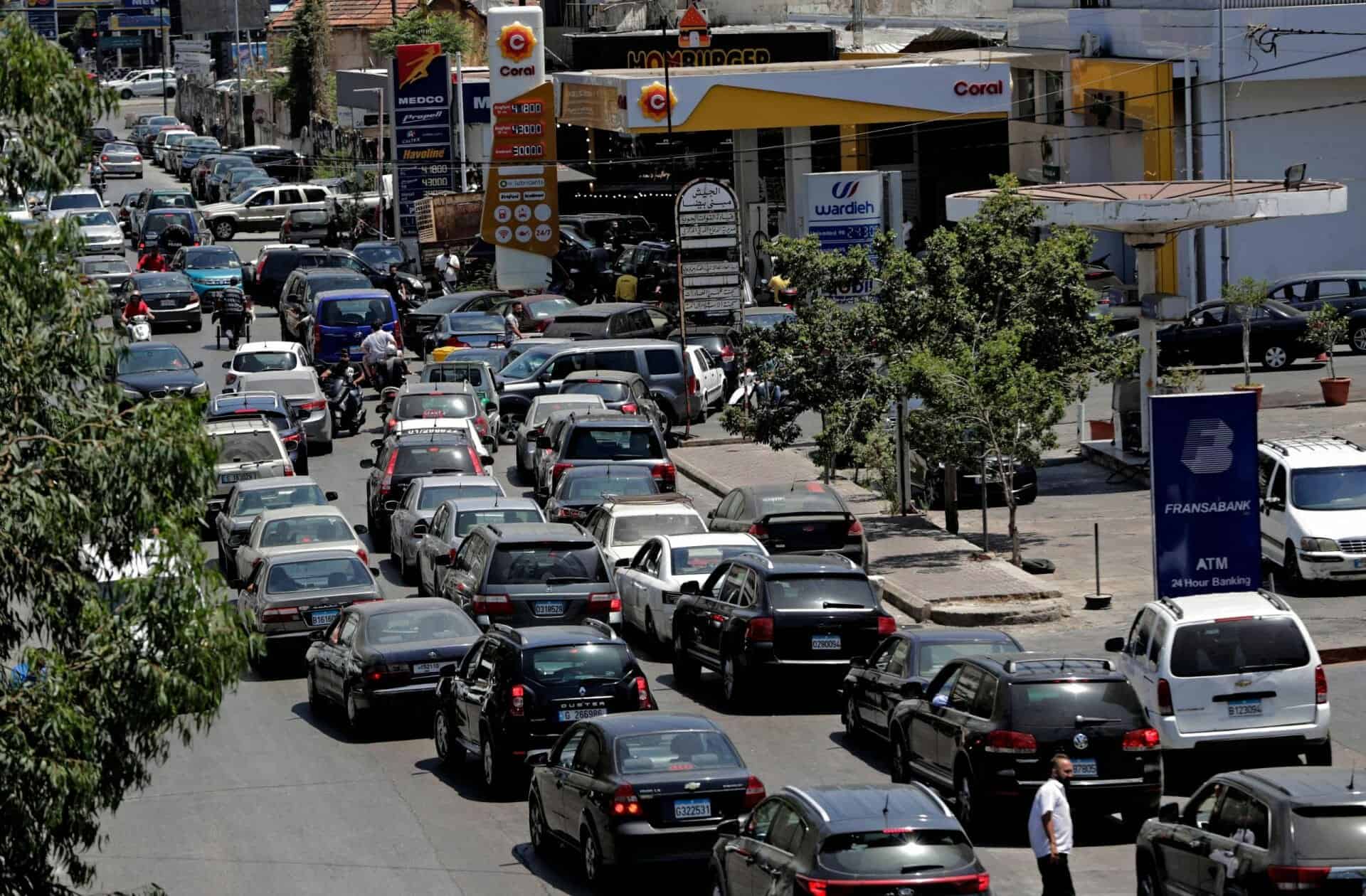
The central bank on Wednesday effectively ended any subsidies on imported fuel, and instead offered fuel importers a line of credit.
In a country that is already suffering from one of the worst economic crises in the world, this could effectively translate to soaring prices for a commodity that — along with food and medicine — is already in short supply.
Diab said the bank — still headed by Riad Salameh, the man accused of having run it to the ground with his lending practices — had broken the law by ending the subsidies.
Following Wednesday’s move, President Michel Aoun summoned Salameh, even as Diab called an emergency cabinet meeting to address the issue.
Diab also wrote in Twitter about the central bank’s move: “It is a decision that contravenes the law.”
He added: “Its damages are much greater than the gains of protecting the obligatory reserves in the central bank.”
It may be noted that the bank has been subsidizing fuel in the country since the beginning of the crisis in late 2019, but the dollar reserves it has been using to do so are nigh-depleted.
The Lebanese pound itself has taken a pounding, having lost around 90% of its purchasing power since the beginning of the crisis.
Meanwhile, the central bank defended its decision to end fuel subsidies, saying it had spent more than $800 million on fuel in the last month, and that the bill for medicines had multiplied.
However, those goods were still absent in the open market, and being sold at prices that exceed their value in parallel markets, it said.
“This proves the necessity of moving from subsidizing commodities, which benefits traders and monopolists, to supporting citizens directly,” it claimed.
The new government is already working on a prepaid cash card for the poor, but there is time yet for it to be rolled out.